



Online trading can sometimes look confusing for beginners because of the large amount of charts, numbers, and trading terms. Many new traders look for a platform that offers a simpler and more user-friendly experience.
Mitrade is one of the platforms designed to make CFD trading more accessible for both beginners and experienced traders.
What is Mitrade?

Mitrade is a global CFD trading platform that allows users to trade forex, stocks, commodities, indices, and cryptocurrencies online. Founded in Melbourne, Australia, the platform offers access to more than 400 trading instruments through desktop and mobile applications. Mitrade operates under several regulatory authorities, including ASIC and the CMA license from the UAE, helping provide a more secure trading environment for users.
Mitrade Overview
🎁 Mitrade Bonus & Promotion
To help both new and existing traders explore the trading with lower capital requirements, Mitrade offers a range of rewards. Whether you are a beginner taking your first steps or an experienced trader looking to refer friends, you can take advantage of different types of cashbacks and trading bonuses:
🎁Mitrade New Trader Welcome Package: Get up to $100 USD cash rebate for registering and trading
Get $10 USD upon account registration, and $20 USD upon completing your profile information. There are corresponding bonuses for your first deposit and trading. Earn up to $100 USD in total. The bonus is automatically credited to your account and can be used for trading or withdrawn.
💰Refer Friends: Enjoy a 30% Trading Rebate + Cash Back
The more your friends trade, the higher your rebate. Additionally, you can receive cash rewards of up to $150 USD per person for your first 20 referred friends.


What are CFDs?
CFD trading stands for “Contract for Difference” trading. It allows traders to trade on the price movement of assets like stocks, forex, commodities, and cryptocurrencies without genuinely owning them. Traders can potentially profit from both rising and falling markets through buy and sell positions such as:
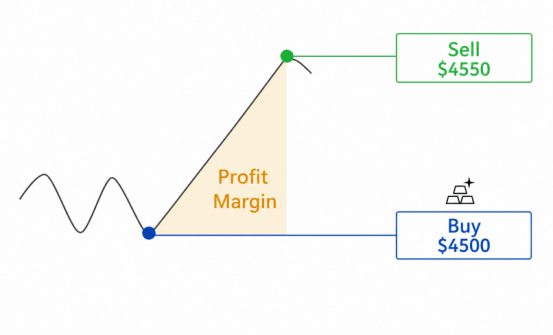
Buy Position Example
A trader opens a buy position on gold at $4500 because they expect the price to rise. If the price later increases to $4550, the trader may make a profit from the price difference.
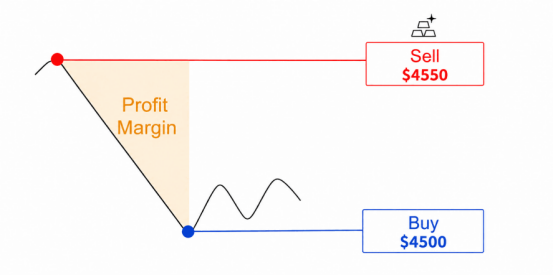
Sell Position Example
A trader opens a sell position on gold at $4550 because they expect the price to fall. If the price later drops to $4500, the trader may make a profit from the downward price movement.
Now that we understand the basics of CFDs, traders can begin exploring how CFD trading works in practice.
Steps to Start CFDs Trading
Traders usually follow several basic steps to analyze the market and manage their positions more effectively.
1. Choose a Trading Asset
The first step selects the financial asset you want to trade, such as forex, stocks, commodities, or cryptocurrencies.
2. Analyze the Market
Traders usually analyze price movements and market trends before opening a trade. This may include technical or fundamental analysis.
3. Open a Buy or Sell Position
If the trader expects the price to rise, they can open a buy position. If they expect the price to fall, they can open a sell position.
A buy position is opened when traders expect the asset price to rise.
A sell position is opened when traders expect the asset price to fall.
Some traders also use leverage, which allows them to open larger positions with a smaller amount of capital. While leverage can increase potential profits, it can also increase potential losses.
4. Monitor and Close the Trade
After opening the position, traders monitor market movements and close the trade when they decide to take profit or limit losses.
The Advantages of CFDs
Many traders use CFDs because they offer flexible trading opportunities and access to different financial markets through one platform.
✅ High Capital Efficiency: CFD trading allows traders to open larger positions using a smaller amount of capital through leverage.
✅ Two-Way Trading: Traders can potentially profit from both rising and falling markets through buy and sell positions.
✅ Access to Global Markets: CFDs provide access to different financial markets, including forex, stocks, commodities, and cryptocurrencies.
✅ No Physical Ownership: Traders can speculate on asset price movements without directly owning the underlying assets.
✅ Flexible Trading Opportunities: CFD markets offer flexible intraday trading opportunities and access to highly liquid markets.
The Risks of CFDs
Although CFD trading offers flexible trading opportunities, it also involves several risks that traders should understand before investing in real money.
❌ Leverage Risks: Leverage allows traders to open larger positions with less capital, but it can also increase potential losses significantly.
❌ Price Volatility: Financial markets, especially cryptocurrencies, can experience sudden and unpredictable price movements. This can lead to rapid gains or losses within a short period of time.
❌ Trading Costs: Some CFD trades may involve spreads, overnight fees, or other trading fees that can affect overall profits in the long term.
❌ Country & Platform Risk: Platform issues, pricing differences, or low market liquidity may sometimes affect trade execution and fund security during volatile market conditions. These situations can sometimes lead to risks such as:
Fund Security Risk: Platforms without strong regulatory cooperation may involve higher risks related to fund security and account protection.
Pricing Risk: Pricing differences or execution delays may sometimes affect trading accuracy during volatile market conditions.
Insufficient Liquidity: Low market liquidity may make it more difficult for traders to close positions quickly during periods of high volatility.
Choosing a regulated trading platform like Mitrade helps traders reduce some platform-related risks. Mitrade operates under several regulatory authorities, including ASIC and the UAE CMA license. Regulatory oversight and security measures may help provide a safer trading environment for users.
Smart Habits for CFDs Traders
Successful CFD trading usually requires patience, market knowledge, and proper risk management.
1. Start with a Demo Account
Many beginner traders use demo accounts to practice trading without risking real money.
2. Manage Risks Carefully
Many traders use stop-loss and take-profit orders to help reduce potential losses.
3. Learn About the Market
Understanding market trends and economic news may help traders make better trading decisions.
4. Avoid Emotional Trading
Following a clear trading plan may help traders avoid emotional decisions during market volatility.
5. Continue Learning and Practicing
Many traders improve their skills over time through practice and market analysis.
The Types of Mitrade’s Accounts
Mitrade offers different account types designed to suit traders with different experience levels and trading goals. Beginner traders can start with a demo account to practice trading strategies, while more experienced users may prefer live trading accounts for accessing real financial markets.
Live Account
The Live Account is Mitrade’s main live trading account. It gives traders access to multiple financial markets, including forex, stocks, commodities, indices, and cryptocurrencies through CFD trading.
Some of the main features of the Standard Account include:
Commission-free CFD trading
Access to more than 400 trading instruments
Flexible leverage depending on the trader’s region
Negative balance protection
Competitive spreads on selected assets
Minimum deposit requirements may vary depending on the user’s country and regulatory region.
Demo Account
The Demo Account is mainly designed for beginners and traders who want to test strategies without risking real money. It provides virtual funds that allow users to practice trading under real market conditions using the same trading platform and tools available in live accounts.
Many traders use demo accounts to:
Learn how the platform works
Practice market analysis
Test trading strategies
Improve risk management skills
Pro Account
In some regions, Mitrade may also offer a Pro Account for qualified or professional traders. These accounts can provide higher leverage options and additional trading features depending on regulatory requirements.
* Open a free demo account now and claim your $100 welcome bonus!
What Assets Are Available on Mitrade?
Mitrade provides access to a wide range of financial markets through CFD trading, allowing users to trade different asset classes from a single platform. The platform is designed to support both beginner and experienced traders by offering multiple trading instruments across global markets.
1. Forex
Traders can access different forex pairs on Mitrade, including major and minor currencies, such as EUR/USD, GBP/USD, and USD/JPY. The major currency pairs with the highest trading volume are:
2. Stocks
Mitrade allows users to trade CFDs on shares from international companies without directly owning them, with popular stock CFDs including Apple (AAPL), Tesla (TSLA), Amazon (AMZN) , and Microsoft (MSFT).
3. Commodities
Commodity CFDs include popular markets such as metals and energy products. For example: XAU/USD (Gold), XAG/USD (Silver), USOIL.
4. Indices
Indices reflect the overall performance of stock markets or groups of companies from specific sectors, with examples like the S&P 500, NASDAQ, Dow Jones, and FTSE 100.
5. Cryptocurrencies
Cryptocurrency markets are known for rapid price movements and high volatility, with popular trading pairs including BTC/USD (Bitcoin) and ETH/USD (Ethereum).
6. ETFs
In some regions, Mitrade may also provide access to ETF CFDs. Exchange-Traded Funds (ETFs) allow traders to gain exposure to groups of assets, industries, or market sectors through a single instrument.
Deposit and Withdrawal on Mitrade
Mitrade provides several deposit and withdrawal methods designed to make account funding and money transfers easier for traders in UAE and other supported regions. The platform supports multiple payment methods that allow users to deposit funds, manage their accounts, and withdraw profits through secure online transactions.
Deposit Methods
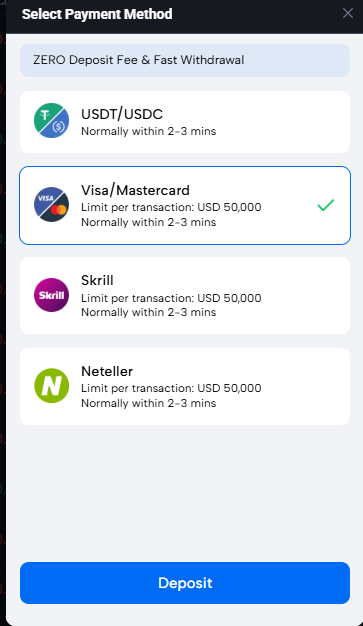
Users can fund their Mitrade accounts using different payment methods, including:
Visa and MasterCard
Apple Pay and Google Pay
Skrill and Neteller
Bank transfers
USDT and USDC in selected regions
The deposit process is usually simple and can often be completed directly through the Mitrade mobile app or web platform. Many deposits are processed quickly, allowing traders to access the financial markets without long waiting periods.
Minimum Deposit Requirements
In the UAE, the minimum deposit on Mitrade starts at $50, making the platform accessible for beginner traders who want to start with smaller trading amounts.
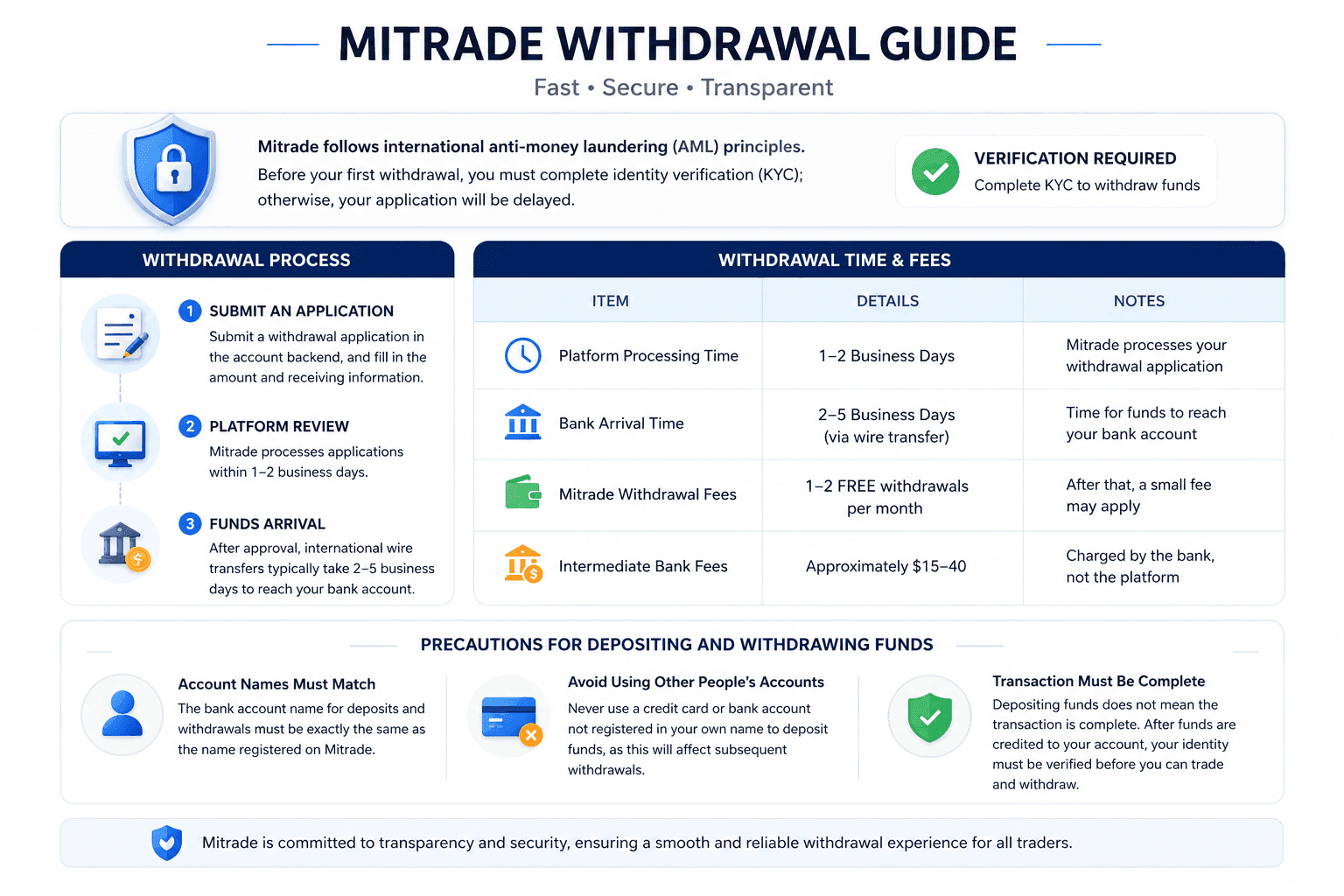
Withdrawal Processing
Mitrade provides a structured withdrawal process designed to make fund transfers more secure and organized for traders. Processing times and withdrawal methods may vary depending on the payment provider and verification requirements.
The Trading Fees of Mitrade
Mitrade uses a commission-free trading model on many CFD products, while some other trading costs may still apply depending on market conditions and trading activity.
The Tools Provided by Mitrade
Mitrade offers a variety of trading tools and features designed to help traders monitor markets and manage trading decisions more easily.
✅ Live Market Data: Mitrade provides live market data that allows traders to monitor real-time price movements across different financial markets.
✅ Economic Calendar: Helps traders track important economic events and market news.
✅ Technical Analysis Tools: Includes charts and indicators for analyzing market trends.
✅ Trading Analysis and Market Insights: The platform provides market analysis and trading insights that may help traders better understand changing market conditions.
✅ Risk Management Tools: Includes stop-loss and take-profit features to help manage risks.
✅ Mobile Trading Features: Mitrade also offers mobile trading platforms for Android and iOS devices. It allows users to monitor markets through mobile devices.
✅ Educational Resources: Mitrade also provides educational resources for beginner traders who want to learn more about financial markets and trading basics.
How to Trade on Mitrade
Mitrade offers a simple trading process that allows users to access different financial markets through its mobile and web platforms.
Step 1: Create and Verify an Account
Users first create a trading account and complete the verification process to access live trading features.
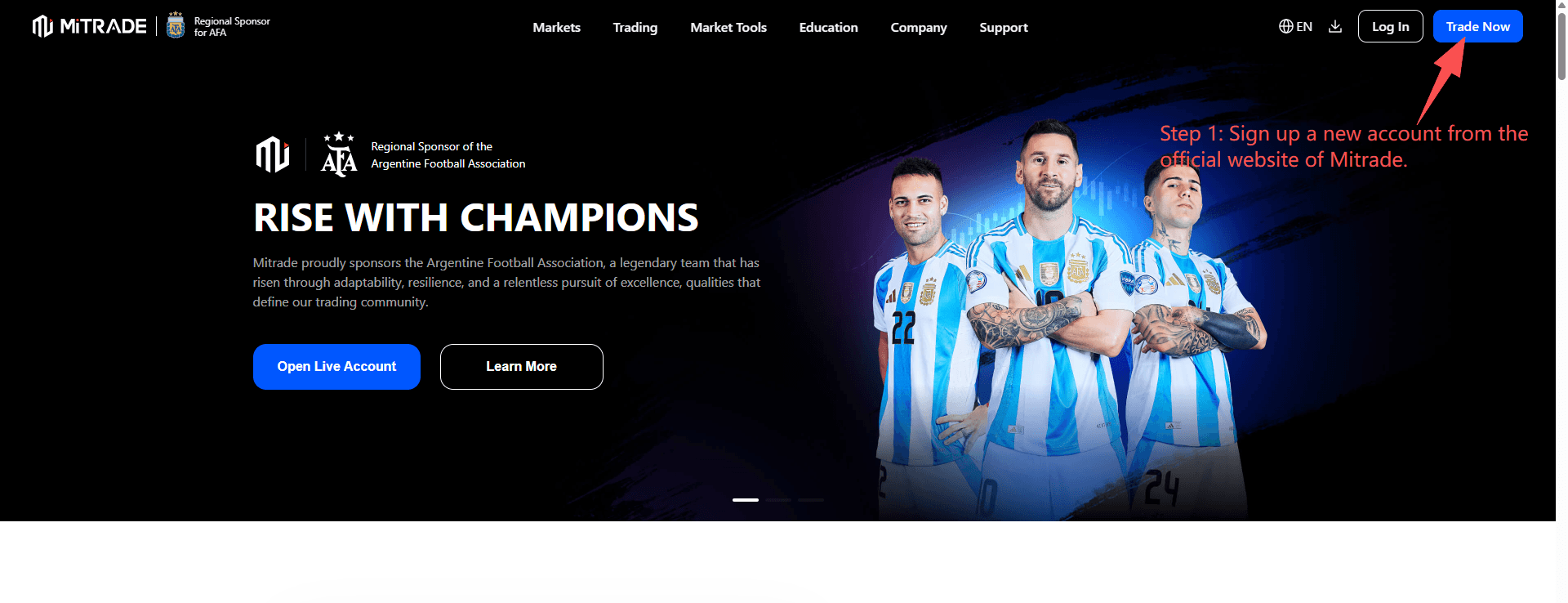
Sign Up now and Start to Trade
* Open a free demo account now and claim your $100 welcome bonus!
Step 2: Deposit Funds
After verification, traders can fund their accounts using available payment methods such as bank cards, e-wallets, or bank transfers. The minimum deposit on Mitrade usually starts from $50 depending on the user’s region.
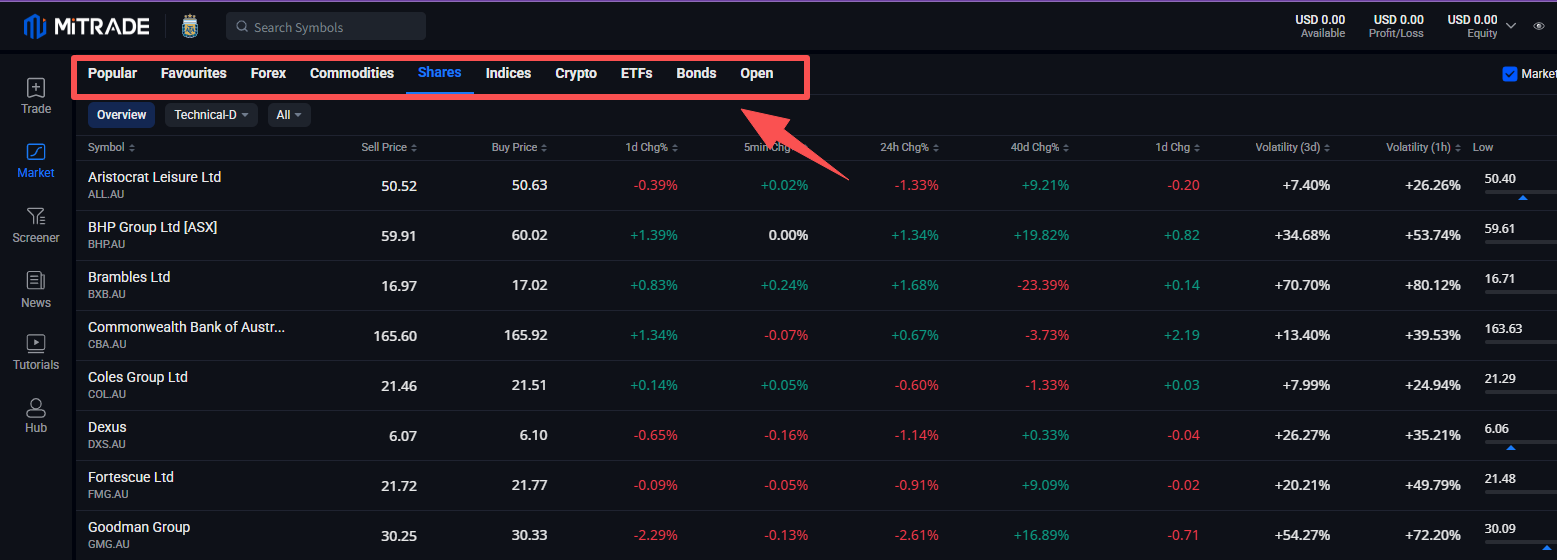
Step 3: Choose a Financial Asset
Traders can select different asset classes, including forex, stocks, commodities, indices, and cryptocurrencies before analyzing market conditions.
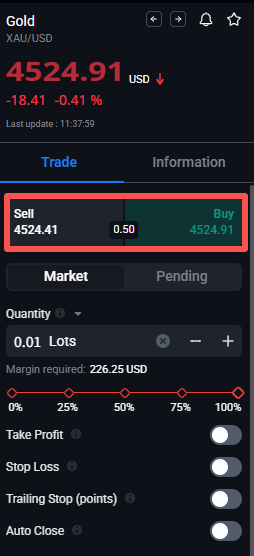
Step 4: Open a Buy or Sell Position
Traders open a buy position if they expect prices to rise or a sell position if they expect prices to fall. Risk management tools such as stop-loss and take-profit orders may also be used.
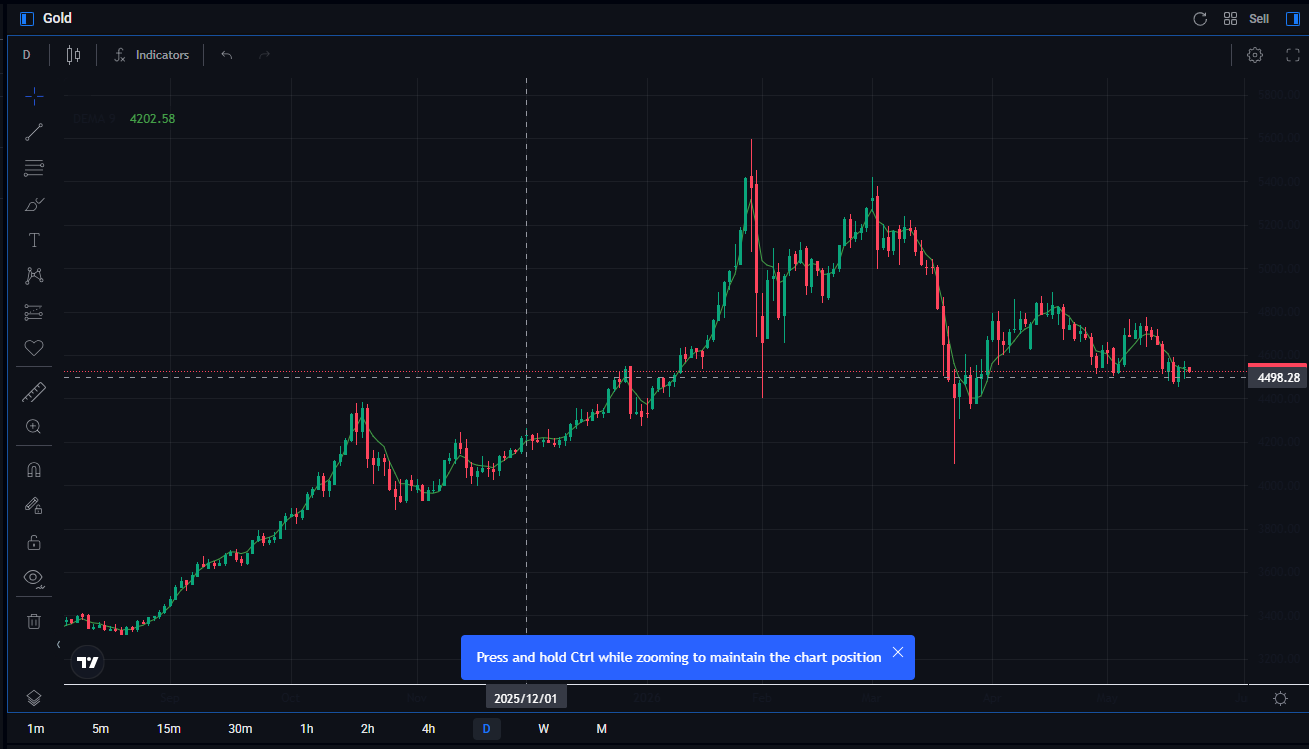
Step 5: Monitor and Close the Trade
After opening a position, traders monitor market movements and close trades based on their trading strategy and market conditions.
Conclusion
Mitrade can be a suitable option for traders who want access to different financial markets through a simple and modern trading platform. However, before starting CFD trading, it is important for traders to understand market risks, develop a clear strategy, and continue learning about how financial markets work.
 Forex 丨 Futures 丨 US Shares 丨 Gold 丨 MoreStrictly regulated 0 commission, low spreads Attractive leverage of up to 1:200 & tight spreads Exclusive market analysis from Trading Central First hand tips and insights 5/24 multilingual customer service support Trade on web or app
FAQs
1. Is CFD trading suitable for beginners?
CFD trading may be suitable for beginners who are willing to learn about financial markets and risk management by using a demo account before trading with real money.
2. Can traders profit in both rising and falling markets?
CFD trading allows traders to open buy or sell positions depending on market expectations.
3. Why do traders use leverage in CFD trading?
Leverage allows traders to control larger positions with a smaller amount of capital. However, it can increase both potential profits and losses.
* The content presented above, whether from a third party or not, is considered as general advice only. This article should not be construed as containing investment advice, investment recommendations, an offer of or solicitation for any transactions in financial instruments.

