


WTI holds near $59.50, further downside appears due to oversupply concerns

 Trending Articles
- Gold Prices Under Pressure After Hitting $4,600, UBS: Safe-Haven Logic Unchanged But Only Delayed.
- US-Iran Rift Persists, Will Gold Rise or Fall Next?
- Gold rallies on hopes for US-Iran talks and falling US Treasury yields
- Gold Price Forecast: XAU/USD opens lower around $4,450 on fears of widening Iran conflicts
- USD/JPY Hits 160.00 Mark, Will Japanese Government Intervene? Will the Currency’s Rally Be Contained?
- Seesaw Effect Continues. US Pre-Market Three Major Index Futures Weaken, Oil Prices Rise, Bitcoin Drops Below 68,000 Mark
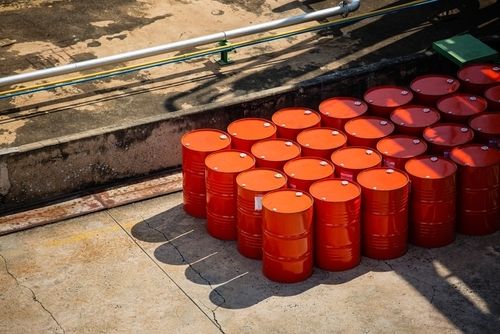
WTI price may fall further as US Crude Oil stock heightens concerns over oversupply.
Crude Oil Stocks Change increased by 5.202 million barrels last week, after a previous decline of 6.858 million barrels.
A client note from J.P. Morgan suggests global Oil demand rose 850,000 bpd YTD, below the earlier 900,000 bpd forecast.
West Texas Intermediate (WTI) Oil price inches higher after three days of losses, trading around $59.60 per barrel during the Asian hours on Thursday. However, Oil prices may depreciate further as a significant inventory build heightens oversupply concerns.
US Energy Information Administration (EIA) showed that Crude Oil Stocks Change surged by 5.202 million barrels last week, swinging from the previous decline of 6.858 million barrels. The crude stock exceeded market expectations of a 1.8 million-barrel increase, marking the biggest increase since July.
Crude output continues to expand among both OPEC+, the Organization of the Petroleum Exporting Countries, and its allies, including Russia, and non-member producers, fueling fears of a global glut. Reuters cited commodities trader Mercuria, noting that the surplus is building gradually and could reach 2 million barrels per day next year. OPEC+ recently approved a modest production increase for December but plans to pause additional hikes in early 2026, signaling caution amid weakening demand.
A client note from J.P. Morgan states that year-to-date through November 4, global Oil demand has risen 850,000 barrels per day, below the growth of 900,000 bpd projected earlier by the bank. The note also added "High-frequency indicators suggest that US Oil consumption remains subdued," pointing to weak travel activity and lower container shipments, reported by Reuters.
Reuters reported that Saudi Arabia, the world’s largest Oil exporter, has sharply cut crude prices for Asian buyers in December, responding to a well-supplied market as OPEC+ members increase production. Aramco announced that Saudi Arabia set its December official selling price at $1 per barrel above the Oman/Dubai average, the first reduction after holding prices steady in November.
Read more
* The content presented above, whether from a third party or not, is considered as general advice only. This article should not be construed as containing investment advice, investment recommendations, an offer of or solicitation for any transactions in financial instruments.


