




Micron, Samsung Electronics, SK Hynix Lock in 2027 DRAM Capacity as AI Demand Drives Tight Market Cycle
TradingKey - On August 4, according to market sources, Micron Technology ( MU ), Samsung Electronics, and SK Hynix, the three major DRAM memory chip manufacturers, have completed the allocation of part of their 2027 production capacity ahead of schedule. This indicates that global demand for high-performance memory remains strong, particularly driven by demand for HBM and high-end DRAM from artificial intelligence servers, which is further tightening the supply landscape in the memory industry.
According to sources, as cloud computing giants continue to expand AI data center construction, Nvidia ( NVDA) and other AI chipmakers drive the upgrade of next-generation GPU platforms, market demand for HBM, DDR5, and server DRAM is growing rapidly. Due to the longer production cycle of advanced memory products, the three major manufacturers are planning future capacity ahead of schedule and signing long-term supply agreements with key customers to secure the memory supply required for AI infrastructure construction.
Industry insiders believe that the three major manufacturers completing their 2027 capacity allocation ahead of schedule implies that the memory market may enter a new phase of tight supply and demand. In recent years, the DRAM industry went through an inventory adjustment cycle. Samsung, SK Hynix, and Micron all adopted strategies of controlling capital expenditures and reducing new capacity, keeping growth in market supply cautious. However, with the explosion of demand for AI servers, the once relatively abundant supply of standard DRAM has also begun to be squeezed by high-margin HBM products.
From a corporate perspective, SK Hynix and Micron are poised to be major beneficiaries of the growing demand for AI memory. SK Hynix, leveraging its leadership in the HBM market, continues to secure orders in the AI accelerator supply chain; meanwhile, Micron is accelerating its entry into Nvidia's AI ecosystem by expanding its HBM3E capacity. At the same time, Samsung Electronics is also accelerating efforts to improve the competitiveness of its HBM and advanced DRAM products, hoping to regain and expand its share in the high-end memory market.
For capital markets, the early lock-in of memory supply has further reinforced investor expectations that the memory chip upward price cycle will persist. Recently, Kioxia projected that NAND prices will continue to rise, and Samsung also stated that the memory industry's tight supply could last for the next few years. These signals all indicate that the AI wave is transforming the traditional memory chip cycle.
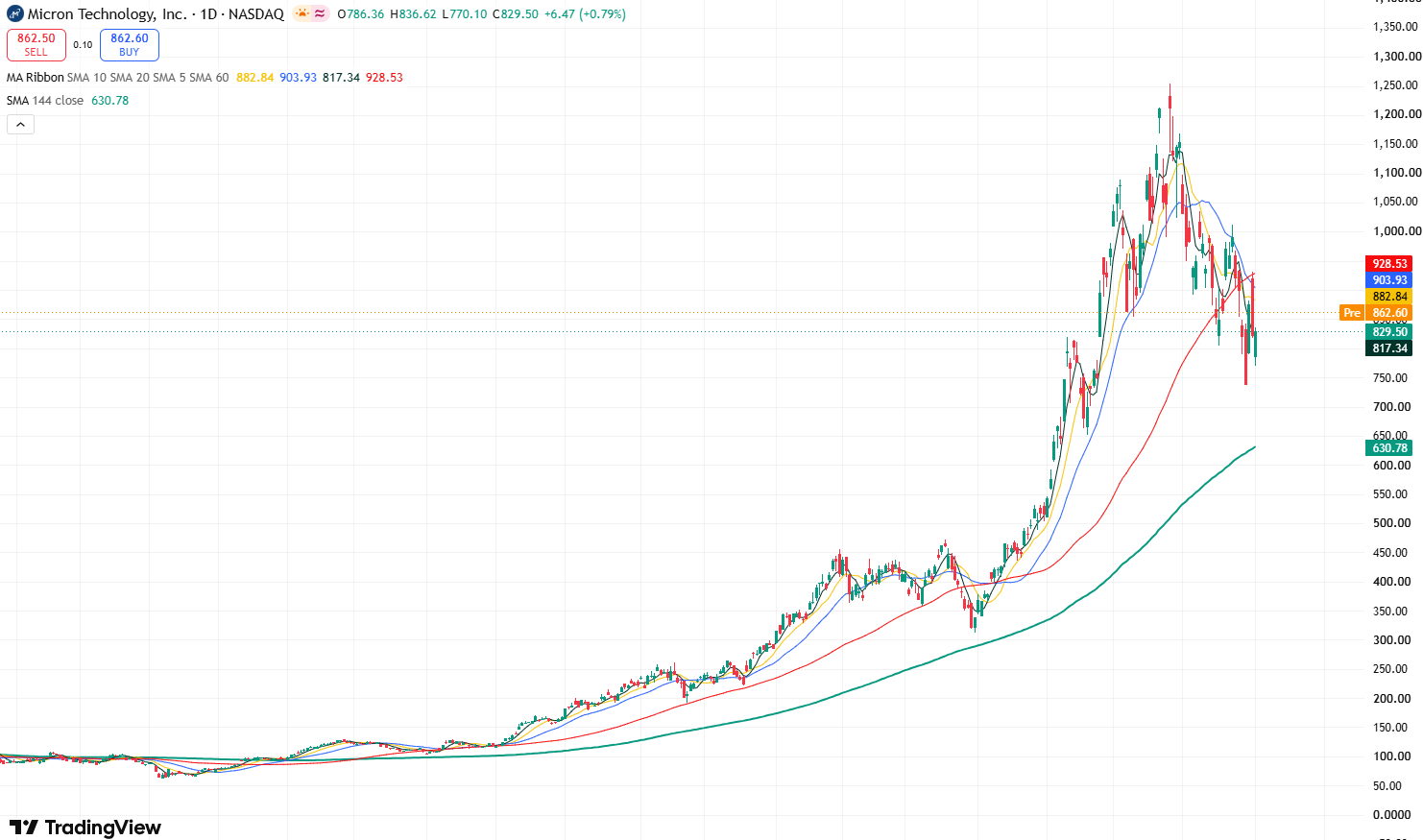
Micron stock daily chart, Source: TradingView
However, the market still needs to watch whether AI capital expenditures can be sustained. If cloud computing companies slow down data center investments in the future, or if memory manufacturers significantly expand production capacity, the supply-demand balance could shift once again. In the short term, with 2027 capacity allocated ahead of schedule, DRAM prices and industry earnings expectations are still expected to remain strong. AI supply chain companies such as Samsung, SK Hynix, Micron, and Nvidia will continue to be in the market spotlight, providing ongoing support for their stock prices.
Recommended Articles


