




Brent Futures (UKOIL-F) Is up 3.14% on Aug 9: What You Need to Watch
Brent Futures (UKOIL-F) is up 3.14% at Aug 9 18:10(ET), now at $84.78, with a 7-day down of 6.00%.
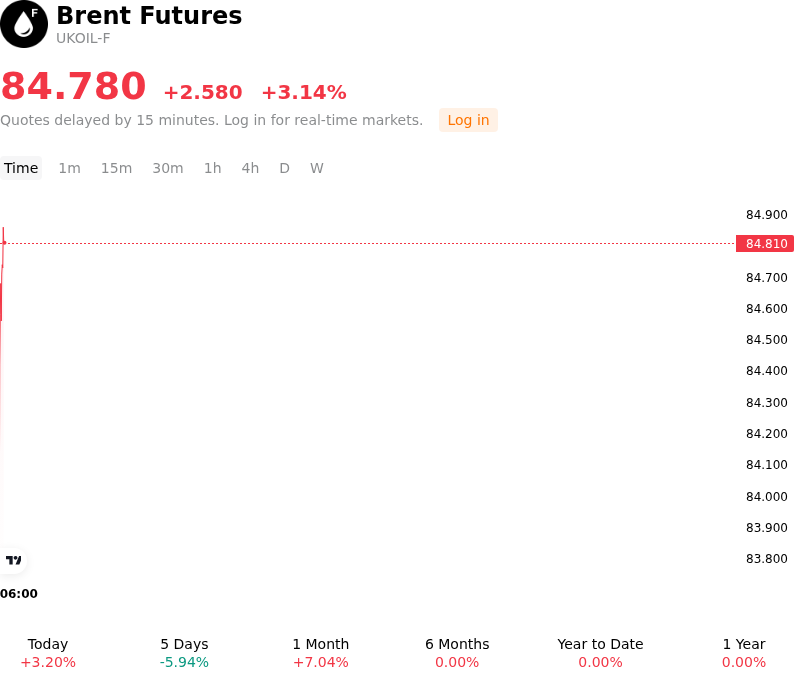
What is driving Brent Futures (UKOIL-F)’s stock price up today?
The sharp appreciation in Brent crude prices is primarily driven by an escalation in geopolitical risks within the Middle East, which has reignited concerns over potential disruptions to maritime transit through the Strait of Hormuz. Reports of increased naval activity and heightened diplomatic friction have led institutional investors to price in a higher risk premium, fearing that any physical impairment to supply routes would significantly tighten the global balance. This comes at a time when the market is already sensitive to supply constraints following recent guidance from OPEC+ reaffirming their commitment to production discipline through the end of the third quarter.
Simultaneously, weather-related supply risks in the Atlantic basin have contributed to the upward momentum. The development of a major tropical system tracking toward the Gulf of Mexico has prompted early precautionary evacuations of offshore platforms and a temporary suspension of production activities. Given the region's critical role in global supply chains, these shut-ins are exacerbating an already lean inventory environment. Recent data suggests that global crude stocks are hovering at multi-year lows for this season, leaving the market with a thin buffer against sudden supply shocks.
From a macroeconomic perspective, a notable softening of the US dollar has provided a tailwind for dollar-denominated commodities. Expectations for a more accommodative monetary policy stance by the Federal Reserve have intensified, as recent economic indicators suggest a cooling of inflationary pressures. A weaker greenback typically lowers the cost of entry for international buyers, stimulating demand and supporting higher price levels. Furthermore, manufacturing data from key Asian economies indicates a stabilization in industrial activity, fostering a more constructive outlook for crude consumption during the second half of the year.
The combination of these factors reflects a structural shift toward a deficit-prone market rather than a purely speculative move. While volatility remains high, the convergence of geopolitical uncertainty, seasonal weather disruptions, and a favorable currency environment suggests that the path of least resistance for Brent remains to the upside. Investors continue to monitor the duration of the tropical system and any further diplomatic developments, as these will be critical in determining whether current price levels are sustainable or represent a temporary spike in risk sentiment.
Technical Analysis of Brent Futures (UKOIL-F)
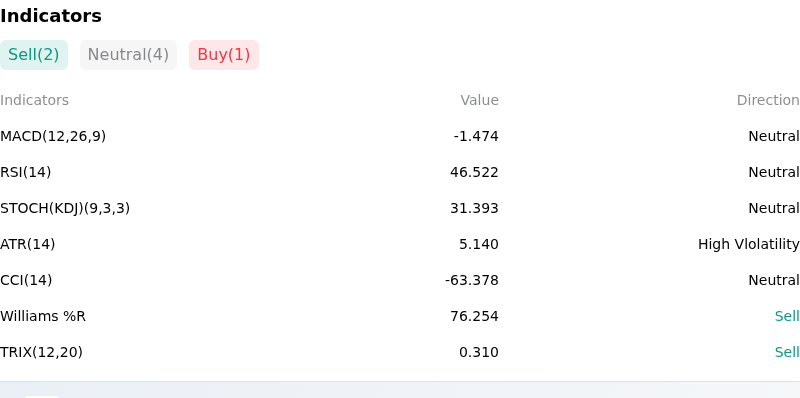
Technically, Brent Futures (UKOIL-F) shows a MACD (12,26,9) value of -1.474, indicating a neutral signal. The RSI at 46.522 suggests neutral condition and the Williams %R at 76.254 suggests sell condition. Please monitor closely.
More details about Brent Futures (UKOIL-F)
Recent Events and Risks:
- China Demand Deterioration: Persistent weakness in Chinese manufacturing PMI and record-low refinery margins suggest a structural slowdown in crude consumption, intensifying concerns that the world's top importer will not meet demand growth forecasts for the remainder of the year.
- Geopolitical Risk Premium Contraction: Intraday volatility has spiked as market participants unwind long positions following reports that recent military actions in the Middle East avoided critical oil infrastructure, leading to a swift reduction in the geopolitical fear premium previously priced into Brent futures.
- OPEC+ Production Policy Uncertainty: Significant downward pressure persists due to market anxiety surrounding the potential unwinding of 2.2 million barrels per day in voluntary production cuts, as traders fear a supply glut if the coalition proceeds with output hikes despite a softening global demand outlook.
- U.S. Supply Expansion and Inventory Builds: Recent data indicating that U.S. crude production remains at record levels, coupled with unexpected builds in domestic inventories, is forcing a bearish reassessment of global supply-demand balances and triggering technical selling at key resistance levels.
Recommended Articles


