




Brent Futures (UKOIL-F) Volatility Intensified on Jul 14: What to Watch
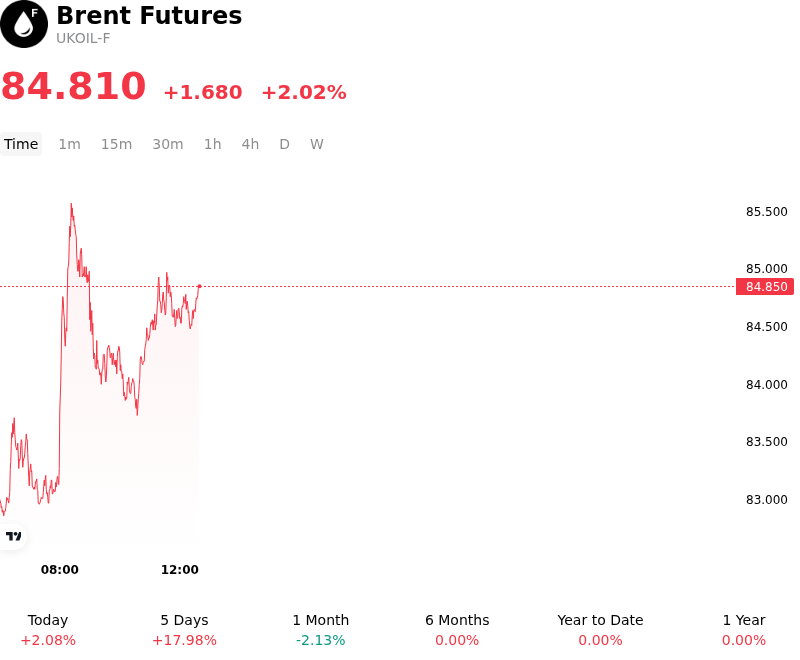
Brent Futures (UKOIL-F) is up 2.02% at Jul 14 00:40(ET), now at $84.81, with a 7-day up of 11.86%.
What is driving Brent Futures (UKOIL-F)’s stock price up today?
Brent crude prices have moved higher as the global oil market grapples with a tightening supply-demand balance exacerbated by seasonal peak demand and ongoing production discipline from the OPEC+ alliance. The primary driver of the current upward pressure is the realization that global inventories are drawing down at a faster pace than previously anticipated. With the northern hemisphere in the midst of its peak summer driving and cooling season, refinery throughput remains elevated, particularly in the United States and emerging Asian markets, which is effectively stripping physical barrels out of the market.
The supply side remains constrained by the decision of major producers to extend voluntary output cuts deep into the second half of the year. This disciplined approach from OPEC+ has created a structural deficit that is difficult for non-OPEC producers to bridge, especially as capital expenditure in the shale sector continues to focus on shareholder returns rather than aggressive production growth. Market participants are increasingly concerned that the current output levels are insufficient to meet the resilient demand profiles observed in recent weeks, leading to a repricing of the prompt spread as the market moves into a deeper state of backwardation.
Geopolitical factors are also contributing to the intraday volatility and price appreciation. Renewed uncertainty regarding regional stability in the Middle East has reintroduced a risk premium that had partially dissipated in previous months. Any perceived threat to critical energy infrastructure or maritime transit routes tends to prompt immediate defensive positioning among institutional investors. This heightened sensitivity to supply-side shocks is being compounded by low liquidity in certain futures contracts, which can magnify price swings when new headlines emerge.
On the macroeconomic front, a weakening US Dollar has provided a favorable environment for energy prices. As the Federal Reserve signals a potential shift toward a more neutral monetary policy, the cooling of the dollar makes Brent crude more affordable for holders of other currencies, providing a secondary boost to global demand expectations. This currency tailwind, combined with a broader improvement in risk sentiment across commodity complexes, has encouraged a rotation of speculative capital back into energy.
Institutional positioning reflects a shift toward a more constructive outlook for the remainder of the quarter. While concerns about long-term demand destruction due to energy transition persist, the immediate physical reality is one of scarcity. Investors are closely monitoring upcoming inventory data and refinery utilization rates for confirmation that the current deficit is sustainable. As long as OPEC+ maintains its current trajectory and summer demand remains robust, the floor for Brent prices appears to have shifted higher, supported by a combination of physical tightness and a supportive macroeconomic backdrop.
More details about Brent Futures (UKOIL-F)
Recent Events and Risks:
- Weakening Chinese Demand Fundamentals: Recent data indicating a persistent decline in Chinese refinery throughput and lackluster domestic fuel consumption has intensified fears that the world’s largest importer is facing a structural demand slowdown that the latest government stimulus has failed to reverse.
- OPEC+ Supply Surplus Concerns: Market participants are increasingly focused on the risk of an oversupplied global market in early 2025, as the group maintains its framework for unwinding voluntary production cuts despite downward revisions to global demand growth forecasts from major agencies.
- Normalization of Geopolitical Risk Premium: The absence of immediate, large-scale disruptions to energy infrastructure in the Middle East over the last 72 hours has led to a continued unwinding of war-related price premiums, leaving Brent vulnerable to downside pressure from softening physical market indicators.
- US Dollar Appreciation Pressure: The recent rally in the US Dollar Index to multi-month highs has created a significant headwind for Brent crude, making the commodity more expensive for international buyers and triggering intraday liquidations in dollar-denominated energy contracts.
Recommended Articles


