




Best Day Trading Platforms in Australia (2026): Top 7 Brokers for Fast & Low-Cost Trading

Day trading continues to attract a growing number of Australian investors in 2026. With increased market volatility and better access to global markets, more traders are looking to take advantage of short-term price movements in stocks, forex, indices, and commodities.
However, success in day trading doesn’t just depend on strategy—it also depends heavily on choosing the best day trading platform. Execution speed, trading fees, and platform reliability can directly impact your results.
In this guide, we compare the top day trading platforms, explain what features matter most, and show you how to get started with the right broker.
What Is a Day Trading Platform?
A day trading platform is a type of online trading software or mobile app that allows traders to open and close positions within the same trading day. Unlike long-term investing platforms, these platforms are specifically designed for speed, precision, and real-time decision-making.
Day traders rely heavily on market timing. That means the platform they use must deliver fast execution, accurate pricing, and reliable performance, especially during periods of high volatility.
In Australia and globally, many of the best day trading platforms are offered by CFD brokers and multi-asset trading providers. These platforms give traders access to a wide range of financial instruments, often with leverage, allowing them to trade both rising and falling markets.
How Day Trading Platforms Work
A day trading platform connects users directly to financial markets through a broker. Traders can:
Monitor live price movements
Analyze charts and indicators
Place buy or sell orders instantly
Manage risk using stop-loss and take-profit tools
Orders are typically executed within milliseconds, which is essential for strategies that depend on short-term price movements.
“Trade CFDs with an ASIC-regulated broker. Fast AUD funding via PayID. ”
What Markets Can You Day Trade?
One of the advantages of modern day trading platforms is access to multiple global markets from a single account.
Here are the most commonly traded markets:
Stocks
Day traders buy and sell shares of listed companies within the same day, aiming to profit from intraday price movements.
Forex (Foreign Exchange)
The forex market is one of the most popular for day trading due to its high liquidity and 24-hour availability during weekdays.
Indices
Major indices such as the S&P 500 or NASDAQ are widely traded because they reflect overall market sentiment and offer strong intraday volatility.
Commodities
Assets like gold and crude oil are frequently traded by day traders due to their price fluctuations and sensitivity to global events.
Cryptocurrencies
Crypto markets operate 24/7 and are known for volatility, which can create frequent trading opportunities.
Access to multiple markets allows traders to diversify their strategies and take advantage of different types of price movements throughout the day.
“Trade CFDs with an ASIC-regulated broker. Fast AUD funding via PayID. ”
Best Day Trading Platforms in 2026 (Top 7 Brokers)
Choosing the best day trading platform is one of the most important decisions for any active trader. The right broker can significantly impact your trading performance through execution speed, spreads, platform stability, and available tools.
Below is a carefully selected list of the top 7 day trading platforms in 2026, widely used by Australian and global traders.
Day Trading Platforms Comparison Table
⭐ 1. Mitrade — For Beginners & Low-Cost CFD Day Trading

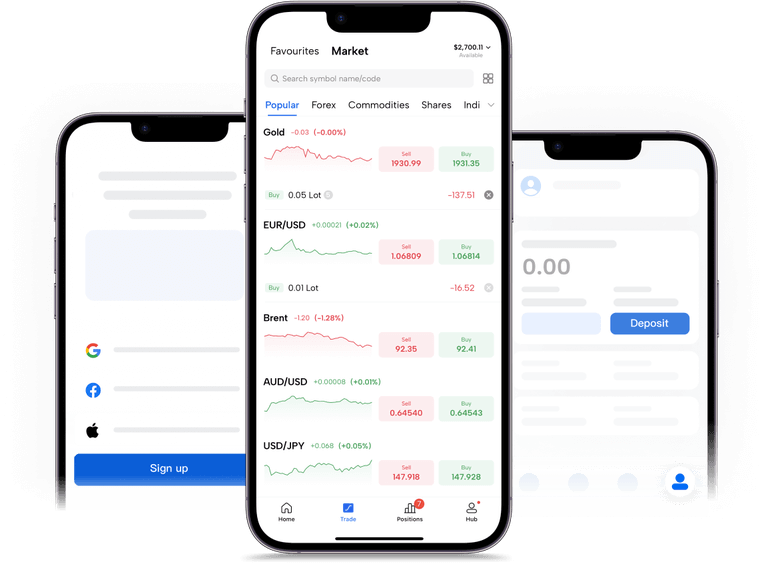
Mitrade is a fast-growing CFD trading platform that has gained popularity among Australian traders for its simple interface and low-cost structure.
It is particularly suitable for beginners who want to start day trading with a small deposit while still having access to global markets.
Key Features:
Low spreads across major markets
Fast execution suitable for day trading
Built-in risk management tools (stop-loss, take-profit)
User-friendly mobile app
Why choose Mitrade?
If you're new to day trading or prefer a simplified platform without sacrificing performance, Mitrade offers a strong balance between usability and functionality.

 Enjoy simple and fast tradingFlexible leverage options available Follow real-time trading strategies

⭐ 2. eToro — For Social & Copy Trading

eToro stands out for its social trading ecosystem, allowing users to follow and copy experienced traders in real time.
While not a traditional day trading platform, it is often used by beginners to learn strategies and observe market behavior.
Key Features:
Copy trading functionality
Commission-free stock trading (selected markets)
Multi-asset platform (stocks, crypto, ETFs)
Intuitive mobile interface
Best for:
Traders who want to combine learning with trading or explore social investing features.
⭐ 3. IG — For Professional Trading Tools

IG is one of the most established brokers globally and offers a comprehensive trading environment for experienced traders.
It provides access to thousands of markets and includes advanced charting and research tools.
Key Features:
Wide range of tradable instruments
Advanced technical analysis tools
Reliable execution and deep liquidity
Strong regulatory reputation
Best for:
Traders who require professional-grade tools and global market access.
⭐ 4. CMC Markets — For Advanced Charting

CMC Markets is widely recognized for its powerful charting capabilities and competitive pricing.
Its proprietary platform includes a wide range of indicators and analytical tools, making it ideal for technical traders.
Key Features:
Advanced charting tools
Low trading costs
Wide range of markets
Strong mobile platform
Best for:
Active traders who rely heavily on technical analysis.
⭐ 5. Pepperstone — For Fast Execution & Low Latency

Pepperstone is known for its ultra-fast execution speeds, which are critical for day traders using scalping or high-frequency strategies.
The broker provides access to multiple trading platforms, including MetaTrader and cTrader.
Key Features:
Razor-thin spreads
High-speed execution
Support for automated trading
Strong liquidity providers
Best for:
Experienced traders and scalpers who need precision and speed.
⭐ 6. Plus500 — For Simplicity

Plus500 offers a clean and easy-to-use platform focused on CFD trading.
It is designed for traders who want a straightforward experience without complex tools.
Key Features:
Commission-free CFD trading
Simple interface
Wide range of instruments
Risk management tools
Best for:
Traders who prefer simplicity and ease of use.
⭐ 7. Interactive Brokers — For Professional & Low-Cost Trading

Interactive Brokers is widely regarded as one of the most cost-efficient brokers for active and professional traders.
It offers access to a vast number of global markets with very low commissions.
Key Features:
Extremely low fees
Access to global exchanges
Advanced trading tools
Institutional-grade platform
Best for:
Professional traders and investors seeking maximum market access and cost efficiency.
How to Choose the Best Day Trading Platform
With so many options available, selecting the best day trading platform requires more than just comparing brand names. The right choice depends on your trading style, experience level, and the markets you want to trade.
Here are the key factors Australian traders should consider:
Regulation and Trust (ASIC Compliance)
Always choose a platform regulated by a reputable authority such as the Australian Securities and Investments Commission (ASIC). Regulation ensures that the broker follows strict financial standards, including client fund protection and transparent pricing.
For Australian traders, ASIC regulation is a strong indicator of reliability and security.
Trading Costs: Spreads, Commissions & Fees
Day trading involves frequent transactions, so even small fees can add up quickly.
Important costs to evaluate include: Spreads (difference between buy and sell price); Commissions per trade; Overnight financing fees (for leveraged positions); Currency conversion fees
The best day trading platforms typically offer tight spreads and competitive pricing structures.
Execution Speed and Slippage
Speed is critical in day trading. A delay of even a fraction of a second can affect your entry or exit price.
This is especially important for strategies like scalping or momentum trading.
Platform Stability and User Experience
A stable platform is essential for active traders. Frequent crashes or slow performance can lead to missed opportunities or unexpected losses.
Range of Markets
Different platforms specialize in different asset classes. A strong day trading platform should offer access to multiple markets, including: Forex; Indices; Stocks; Commodities; Cryptocurrencies
This flexibility allows traders to diversify strategies and adapt to changing market conditions.
Tools and Features
Advanced tools can give traders an edge in fast-moving markets.
Look for platforms that offer: Technical indicators (RSI, MACD, moving averages); Custom charting tools; Price alerts and notifications; Risk management tools
These features help traders make more informed and timely decisions.
How to Start Day Trading (Step-by-Step)
Getting started with day trading is easier than ever, thanks to modern trading apps and online brokers. However, following a structured approach can help reduce mistakes and improve your overall experience.
Step 1 – Choose a Day Trading Platform
Start by selecting a platform that matches your needs. Consider factors such as fees, execution speed, available markets, and ease of use.
Beginners often prefer platforms with simple interfaces, such as Mitrade, while experienced traders may prioritize advanced tools.
Step 2 – Open and Verify Your Account
Once you’ve chosen a broker, you’ll need to create an account and complete identity verification.
Verification is required to comply with financial regulations.
Step 3 – Deposit Funds
After your account is approved, you can fund it using various payment methods.
Many platforms allow traders to start with relatively low minimum deposits.
Step 4 – Choose a Market to Trade
Select a market that suits your trading style.
For example:
Forex for high liquidity
Indices for macro-driven moves
Stocks for company-specific opportunities
Commodities for volatility
Focusing on one or two markets at the beginning can help you build experience more effectively.
Step 5 – Place Your First Trade
Once you’ve identified a trading opportunity, you can place an order through your platform.
Typical steps include:
Selecting the asset
Choosing position size
Setting stop-loss and take-profit levels
Confirming the trade
Proper risk management is essential, especially for beginners.
Step 6 – Practice with a Demo Account
Many of the best day trading platforms, such as Mitrade, offer demo accounts. Using a demo account is strongly recommended before trading live.
Choosing the best day trading platform is a critical step for anyone looking to trade actively in 2026. The right broker can provide fast execution, low fees, and reliable tools, all of which are essential for success.
👉 Start with a trusted platform
1. How much money do I need to start day trading?
Some brokers allow you to start with as little as $50–$100, but more capital may provide greater flexibility.
2. Is day trading legal in Australia?
Yes, day trading is legal in Australia when using regulated brokers.
3. Can I day trade with $100?
It is possible, especially with leverage, but risk management is crucial.
Disclaimer: The content presented above, whether from a third party or not, is considered as general advice only. CFD trading involves significant risk of loss. Past performance does not guarantee future results. This article serves informational purposes only and does not constitute financial advice. Consider your risk tolerance before trading.


