




If the US Troops Enter Iran, What Happens to Bitcoin? Lessons From Past Wars

Markets are already reacting to rising geopolitical risk. Several Polymarket insiders who successfully bet on the start date of the Iran war are now betting heavily on US boots on the ground in Iran.
Now, investors are asking a sharper question: what happens to financial markets if the Iran war transforms into a situation similar to Iraq in 2003? History offers a framework—but not a simple answer.
How Financial Markets Reacted to the Iraq War in 2003
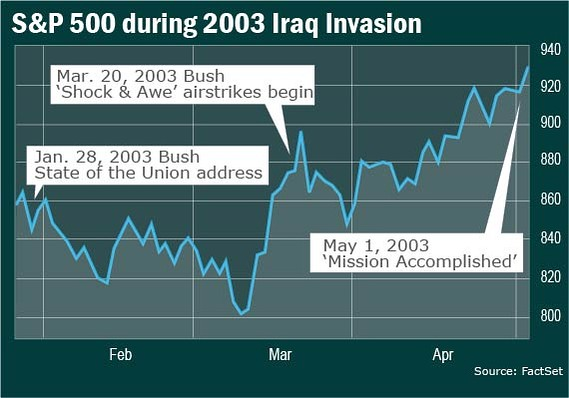
Research on the 2003 Iraq invasion shows that US stocks had already priced in a lot of fear before the war officially began.
In other words, markets were carrying a clear “war discount” because investors were worried about how bad the conflict could get.
Once the invasion began and the worst-case fears did not immediately play out, that discount began to unwind.
Over the period studied, the S&P 500 rose by roughly 3.8% to 4%, while oil prices fell by about $6.5 to $7. That suggests markets were reacting less to the war itself and more to the fact that uncertainty had started to clear.
The same research also found that a key Treasury-based risk-free rate proxy fell by about 40 basis points as war odds shifted.
That helped stocks because lower rates generally support valuations. At the same time, it showed that investors were still looking for safety.
Sector performance also followed a clear pattern. Energy and defense names tend to benefit first during war scares because investors expect higher oil-related profits and more military spending.
By contrast, sectors like financials and technology usually depend more on movements in yields and growth expectations.
Russia-Ukraine Showed a Different Macro Scenario in 2022
The market reaction in 2022 looked very different. On the day Russia sent ground troops into Ukraine, US stocks swung sharply but ended higher by the close.
The S&P 500 finished up about 1.5%, while the Nasdaq rose about 3.3%, showing how quickly markets can reverse when positioning gets too bearish.
At the same time, the 10-year US Treasury yield fell by around 3 basis points to roughly 1.97%. That showed investors were moving into bonds for safety and were becoming more worried about growth.
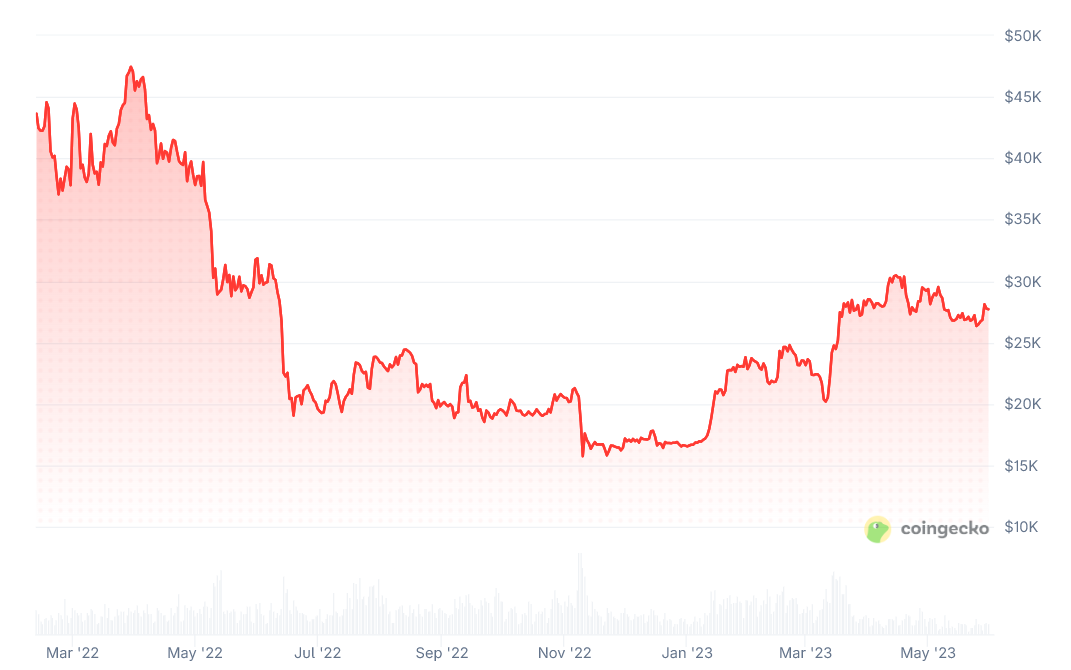
Bitcoin behaved very differently. It dropped sharply in the initial shock, fell to a one-month low, and lost roughly 7% amid headlines about the invasion.
That is important because it showed Bitcoin trading like a risk asset, not like a safe haven, at the moment of peak uncertainty.
Crypto fund flow data from that period also showed sharp, war-driven volatility across digital asset products.
What These Episodes Say about Bitcoin’s “War Beta”
These two episodes point to one key takeaway. Bitcoin usuallydoes not behave like gold during the first phase of a major war shock.
Instead, it tends to trade like a high-risk asset, especially during the first 24 to 72 hours when headlines are driving markets.
Stocks, however, can sometimes recover faster than expected even during war. That happened in 2003, when uncertainty began to clear, and again in 2022, when the first panic selling became too extreme.
That creates an uneven setup for Bitcoin. If a new conflict looks open-ended, oil prices can stay high, inflation fears can rise, Treasury yields can move up, and liquidity can tighten. That is usually bad for speculative assets like Bitcoin.
If the market sees the conflict as short-lived and contained, Bitcoin could still fall first and then recover in a relief rally.
But even then, the rebound would depend on one thing: whether yields and broader financial conditions start to stabilize.
The Key Driver: Yields, Not War Headlines
The biggest impact does not come from war itself. It comes from what war does to inflation and interest rates.
A ground invasion would likely:
Push oil prices higher
Increase inflation expectations
Force yields higher
Delay or cancel Fed rate cuts
That combination tightens liquidity across markets.
And Bitcoin is highly sensitive to liquidity.
What Happens Next: Three Scenarios
If the US enters Iran, Bitcoin’s reaction depends on how the market interprets the event.
1. Short, contained conflict: Bitcoin drops initially, then stabilizes or rebounds as uncertainty clears.
2. Prolonged ground war: Bitcoin faces sustained downside as yields remain high and liquidity tightens.
3. Full escalation: A deeper selloff becomes likely, driven by persistent inflation risk and global risk-off positioning.
Bottom Line
Bitcoin does not respond to war the way many expect.
It reacts to liquidity, rates, and macro pressure. If a ground invasion pushes yields higher and delays easing, the short-term outlook for crypto remains bearish.
For now, the signal is clear: escalation risk is rising, and Bitcoin is trading accordingly.
* The content presented above, whether from a third party or not, is considered as general advice only. This article should not be construed as containing investment advice, investment recommendations, an offer of or solicitation for any transactions in financial instruments.


