




Where to Buy Copper in Australia in 2026? Best Ways to Trade Copper as Prices Hit Record Highs
How to Trade Copper CFDs in Australia
Copper has attracted renewed investor attention after prices surged to record highs in August 2026, supported by AI-related demand, power-grid investment and tightening global supply.
If you're wondering where to buy copper in Australia, you have several options in 2026, including copper stocks, ETFs, futures and CFDs. The best choice depends on whether you want long-term exposure to copper prices or short-term trading opportunities.
Why Is Copper Price Rising in 2026?
Copper Price Today
AI Data Centres Are Driving New Copper Demand
The rapid expansion of AI infrastructure has become an increasingly important source of copper demand.
Data centres require large quantities of copper for power cables, electrical distribution, cooling systems and networking infrastructure. AI-focused facilities can be particularly copper-intensive because of their high power requirements. Reuters, citing S&P Global Market Intelligence data, reported that an AI training data centre in China could require around 47 tonnes of copper per megawatt of installed capacity.
This creates a potentially powerful feedback loop:
More AI investment → More data centres → Higher electricity demand → More grid investment → More copper consumption
For copper traders, this is important because AI-related demand is not simply a short-term technology trend. It can translate into multi-year investment in power infrastructure.
Power Grid Investment Is Supporting Copper Demand
The AI boom is also increasing demand for the infrastructure needed to deliver electricity.
New data centres require additional generation, transmission and distribution capacity, while broader electrification is increasing copper consumption across power networks, renewable energy and electric vehicles. Recent market analysis has identified power-grid investment alongside AI data centres as a key reason copper prices have reached record levels.
This means the copper story extends beyond technology companies. Utilities, grid operators and governments are also potential sources of long-term copper demand.
Supply Disruptions Are Tightening the Market
Demand is only half of the equation. Recent supply problems have added another bullish catalyst.
Copper prices moved back toward record highs this week after an outage at the Indonesian smelter processing ore from the major Grasberg mine raised concerns about refined copper availability. Market reports have also highlighted supply disruptions in Chile and the Democratic Republic of Congo.
At the same time, LME copper inventories have fallen sharply from early-August levels. LME stock data showed inventories declining from 244,025 tonnes on 3 August to 214,550 tonnes on 11 August, highlighting the tightening physical market.
For traders, this is significant because unexpected mine or smelter disruptions can produce sharp price movements when inventories are already relatively tight.
US Tariffs Are Adding Another Layer of Volatility
US trade policy is another factor affecting copper pricing.
Expectations surrounding US copper tariffs have encouraged traders to move metal into the US market, contributing to tighter availability elsewhere. ING noted that copper's recent rally has been partly driven by expectations of US import tariffs and the resulting movement of copper into the US.
This can create unusual price differences between US and international copper markets, increasing volatility and making copper price movements particularly important for traders.
Strong Momentum Meets Important Risks
Despite the bullish backdrop, copper's record rally does not mean prices can only move higher.
A slowdown in Chinese industrial demand, weaker global manufacturing activity, easing supply disruptions or a reversal in tariff-related positioning could trigger a correction. Recent market commentary has specifically identified weaker Chinese demand as an important downside risk even while AI infrastructure and tight supply support prices.
For this reason, investors researching where to buy copper in Australia should consider not only the long-term copper story but also how they want to manage short-term price volatility.
Where Can You Buy Copper in Australia?
Copper CFDs
Copper ETFs
Copper Stocks
Copper Futures
Physical Copper
1. Copper CFDs
Copper CFDs (Contracts for Difference) allow you to speculate on the price of copper without owning the physical metal. Instead of buying copper bars or shares in a mining company, you open a position based on whether you expect the copper price to rise or fall.
This makes CFDs particularly relevant for traders searching for where to buy copper but primarily interested in gaining exposure to copper prices rather than taking physical delivery.
With a copper CFD, you can potentially:
Go long if you expect copper prices to rise
Go short if you expect copper prices to fall
Trade without storing physical copper
Use leverage, subject to Australian regulatory limits and the product's terms
Access copper from the same account used for other markets
Where to trade copper CFDs in Australia
Mitrade
Trade Copper CFDs and other commodity CFDs seamlessly through a web, desktop, and mobile platform.
Other CFD Brokers
Australian traders can also compare ASIC-regulated providers such as CMC Markets and other brokers based on spreads, financing costs, product availability, and platform features.
CFDs are leveraged derivatives and carry a high risk of losing money rapidly. They are generally more suitable for traders who understand leverage, margin, and risk management rather than investors looking to physically own copper.
Why consider copper CFDs?
The biggest advantage is direct exposure to copper price movements without having to own or store copper. This can be particularly useful when copper prices are moving rapidly, as they have been in 2026.
2. Copper ETFs
For investors who prefer a more traditional investment structure, copper ETFs provide another way to gain exposure to the copper industry.
Instead of directly trading the copper price, an ETF may hold a basket of copper mining companies or use other strategies to provide copper-related exposure. This means ETF performance does not necessarily move one-for-one with the spot copper price.
One Australian-listed option is the Global X Copper Miners ETF (ASX: WIRE). WIRE provides exposure to a global basket of copper miners and tracks the Solactive Global Copper Miners Total Return Index. The fund has a management fee and cost of 0.65% p.a. according to Global X.
Where to buy copper ETFs in Australia
The ASX-listed WIRE ETF can be accessed through a range of Australian brokerage platforms, including:
Pros and cons of copper ETFs
Easy to buy and sell through an Australian brokerage account
Can provide diversified exposure to copper miners
No physical storage required
Generally more straightforward than futures
A copper-mining ETF is not the same as owning copper
Mining companies have operational, political and cost risks
ETF management fees apply
The ETF may underperform or outperform the underlying copper price
For Long-Term Investors: If you are asking “where can I buy copper in Australia for long-term investment?”, a copper-focused ETF may be worth considering.
3. Copper Stocks
Another way to invest in copper is to buy shares of companies that mine or produce copper.
This approach gives investors exposure to the copper industry rather than directly tracking the commodity price. When copper prices rise, mining companies can potentially benefit from higher revenue and margins. However, their share prices are also affected by company-specific factors such as production costs, mine disruptions, debt, management decisions and geopolitical risks.
Where to buy copper mining stocks in Australia
Australian investors can purchase ASX-listed mining shares through standard share-trading platforms such as:
Has significant copper operations in South Australia as well as international assets. Australian copper operations include:
Investor Tip: Other copper-focused mining companies can also be researched on the ASX. Always assess each company's production profile and financial position rather than assuming every copper miner will benefit equally from higher copper prices.
Copper stocks vs copper CFDs
Key Difference: Buying a copper stock means owning shares in a company, while a copper CFD is designed to track the price movement of the underlying commodity.
4. Copper Futures
For more experienced traders, copper futures provide another direct way to trade copper prices.
Copper futures are standardised contracts traded on regulated futures exchanges. One of the world's major copper futures markets is the COMEX, where copper futures are quoted in US cents per pound.
Futures can provide relatively direct exposure to copper prices, but they are more complex than buying an ETF or stock. Traders need to understand:
Contract specifications
Margin requirements
Expiration dates
Contract rollover
Leverage
Futures settlement
Where to trade copper futures
Australian investors looking for access to international futures markets can compare brokers such as:
Key Consideration
Check whether the broker provides access to specific COMEX copper futures contracts you want to trade, and evaluate the following cost factors:
For most beginners, futures can be considerably more complex than ETFs or unleveraged shares.
5. Physical Copper
The most literal answer to “where to buy copper” is to purchase physical copper.
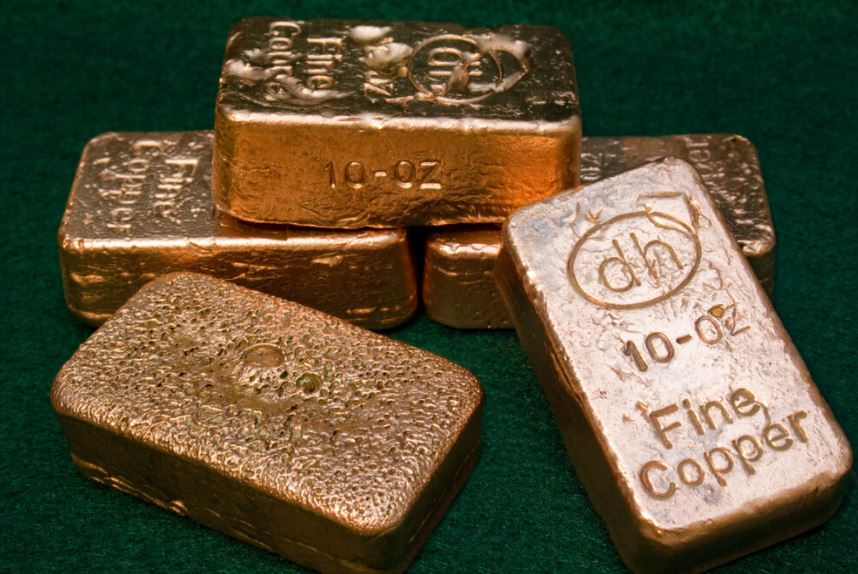
Australian buyers can find copper bullion, copper bars and industrial copper products from specialist suppliers. However, physical copper is quite different from buying gold or silver bullion.
Copper has a relatively low value-to-weight ratio, meaning that large amounts of copper can require significant storage space. Retail copper products may also trade at a substantial premium to the underlying industrial copper price.
For example, Australian suppliers offer copper bullion and industrial copper products, including copper bars and other forms of physical metal.
Where to buy physical copper in Australia
Investors and buyers looking for physical copper in Australia can explore the following potential sources:
Copper Bullion Dealers
Specialist suppliers can sell copper bars and rounds specifically designed for collectors or investors.
Industrial Metal Suppliers
Businesses such as Brass & Copper Pty Ltd sell copper products to industry and the general public, although these products are generally more relevant to physical/industrial use than financial investment.
Bullion Retailers
Some Australian bullion dealers offer copper products, although their main trading focus is typically gold and silver.
Is physical copper a good investment?
For most retail investors, physical copper is less convenient than financial products such as ETFs, shares or CFDs.
The main issues are:
Storage
Insurance
Delivery costs
Dealer premiums
Resale liquidity
Large physical volume required for significant exposure
Therefore, if your objective is to trade copper prices rather than own the metal, financial instruments may be more practical.
Copper CFDs vs ETFs vs Stocks vs Futures: Which Is Best?
For traders who want direct exposure to copper price movements without owning physical copper, CFDs can provide a flexible way to trade both rising and falling markets. However, CFDs are leveraged derivatives and carry a high level of risk.
So, Is Copper a Good Investment in 2026?
Copper has a strong long-term fundamental story, but that does not mean it is automatically a good investment at any price.
For investors, the combination of AI infrastructure, electrification and constrained supply provides a compelling long-term theme. For traders, the record-high price environment creates opportunities but also increases volatility and downside risk.
The key is to choose the right instrument for your objective rather than simply asking whether copper will go up.

 Enjoy simple and fast trading Flexible leverage options available Follow real-time trading strategies Demo account with $50,000 virtual funds

You might be interested in…
1. Where can I buy copper in Australia?
Australian investors can gain copper exposure through copper CFDs, ETFs, mining stocks, futures or physical copper. The most suitable option depends on whether you want direct price exposure, long-term investment exposure or physical ownership.
2. What is the best way to invest in copper?
There is no single best method. Copper ETFs and mining stocks may suit long-term investors, while CFDs and futures can provide more direct exposure to copper price movements.
3. Can I trade copper CFDs in Australia?
Yes. Australian retail traders can access copper CFDs through eligible CFD providers operating under Australia's regulatory framework. CFDs are leveraged and high-risk products, so investors should understand the product and applicable protections before trading.
4. Why is copper so expensive in 2026?
The recent rally has been driven by a combination of AI-related demand, power-grid investment, supply disruptions and tight physical markets. Copper recently reached a record US$14,455 per tonne on the LME.
Disclaimer: The content presented above, whether from a third party or not, is considered as general advice only. CFD trading involves significant risk of loss. Past performance does not guarantee future results. This article serves informational purposes only and does not constitute financial advice. Consider your risk tolerance before trading.


