




Where Is the Best Place to Buy Silver in Australia? A Complete Buyer’s Guide (2026)
Silver has re-emerged as a strategic asset for Australian investors in 2026. Rising industrial demand, persistent inflation concerns, and increased market volatility have pushed many investors to ask a familiar question again:
Where is the best place to buy silver in Australia?
The answer is no longer as simple as walking into a bullion shop. Today, Australians can gain exposure to silver in several different ways—through physical silver, ETFs, or silver CFDs—each serving a very different investment purpose.
This guide breaks down all the main ways to buy silver in Australia, compares their pros and cons, and helps you decide which option best fits your investment goals.
Why Australians Are Buying Silver in 2026
Silver plays a dual role in modern portfolios: it is both a precious metal and a critical industrial material.
In 2026, several factors are driving renewed interest among Australian investors:
Inflation hedging: While inflation has moderated from its peak, cost pressures remain elevated, keeping demand for hard assets strong.
Industrial demand growth: Silver is essential for solar panels, electric vehicles, and advanced electronics—sectors expanding rapidly across Asia-Pacific.
Portfolio diversification: Silver often behaves differently from equities and bonds, helping reduce overall portfolio volatility.
Increased market participation: More investors are accessing silver through online platforms rather than traditional physical ownership.
As a result, “buying silver” today can mean very different things depending on the investor.
“Trade silver CFDs with an ASIC-regulated broker. Fast AUD funding via PayID. ”
Main Ways to Buy Silver in Australia
What Does “Buying Silver” Actually Mean Today?
Before choosing the best place to buy silver in Australia, it is crucial to understand what kind of exposure you are actually getting.
Buying Physical Silver (Coins & Bullion Bars)
This involves purchasing silver coins or bullion bars and taking legal ownership of the metal itself.
You own the asset outright
Requires storage and insurance
Value depends on silver price plus premiums
Physical silver remains the most traditional way to invest.
Advantages:
✅ Tangible ownership
✅ No counterparty risk
✅ Often held as a long-term store of value
Limitations:
❌ Higher premiums above spot price
❌ Storage and insurance costs
❌ Less liquid than financial instruments
Physical silver is typically best suited for long-term holders who value direct ownership over flexibility.
Buying Silver Through ETFs
Silver ETFs track the price of silver without giving you physical possession.
Traded on stock exchanges
Suitable for long-term exposure
Subject to management fees and tracking differences
Advantages:
✅ Easy to buy and sell
✅ No storage concerns
✅ Integrated into brokerage accounts
Limitations:
❌ Ongoing management fees
❌ No physical ownership
❌ Tracking error risk
ETFs appeal to investors seeking long-term exposure within a traditional portfolio structure.
Trading Silver via CFDs
Silver CFDs (Contracts for Difference) allow you to trade price movements without owning the metal.
No physical delivery or storage
Ability to trade both rising and falling prices
Often used for shorter-term or tactical strategies
Silver CFDs offer a fundamentally different approach.
Advantages:
✅ No physical ownership or storage required
Silver CFDs remove the logistical challenges associated with physical silver, such as storage, insurance, and security.
✅ Ability to trade both rising and falling markets
Investors can open long positions when expecting silver prices to rise, or short positions when anticipating a decline—something not possible with physical silver.
✅ Lower capital requirements
Compared to buying physical bullion or large ETF positions, CFDs typically require less upfront capital to gain market exposure.
✅ Fast execution and high liquidity
CFD markets allow for quick entry and exit, making them suitable for short-term strategies and active portfolio adjustments.
✅ Risk management tools built into the platform
Features such as stop-loss and take-profit orders help traders manage downside risk more effectively.
Limitations:
❌ No ownership of the underlying asset
Since CFDs are derivative instruments, you do not hold physical silver, which may not suit investors seeking tangible assets.
❌ Higher risk, especially when leverage is used
While leverage can amplify gains, it can also significantly increase losses if the market moves against your position.
❌ Not ideal for long-term holding
Overnight financing costs can accumulate over time, making CFDs less suitable for long-term buy-and-hold strategies.
❌ Requires active monitoring and discipline
CFD trading demands a clear strategy, risk controls, and ongoing market attention.
As a result, “buying silver” today can mean very different things depending on the investor.
“Trade silver CFDs with an ASIC-regulated broker. Fast AUD funding via PayID. ”
Physical Silver vs Silver ETFs vs Silver CFDs: Key Differences at a Glance
How to Choose the Right Silver Investment Method
Rather than asking “which is best”, Australian investors are better served by asking:
Do I want to own silver, or just gain price exposure?
Am I investing long term, or trading short term?
How important are liquidity and flexibility?
Can I actively manage risk, or do I prefer a passive approach?
In practice, many experienced investors use more than one method—for example, holding physical silver for long-term security while using ETFs or CFDs for shorter-term positioning.
Best Places to Buy Physical Silver in Australia
For those who prefer owning physical metal, Australia offers several established options.
1. The Perth Mint –Government-backed, globally recognised for high-quality bullion coins and bars. Offers both online ordering and physical store pickup in Perth. Suitable for first-time buyers and collectors.
2. ABC Bullion – One of Australia’s largest independent bullion dealers. Provides a wide selection of silver bars and coins, competitive pricing, and secure storage options. Ideal for investors making medium to large purchases.
3. Bullion Exchanges – Online and in-store dealer offering Australian and international silver coins and bars. Transparent pricing linked to live silver spot rates, convenient delivery options, and easy resale process. Good for investors valuing convenience and access to a broad range of products.
Where to Buy Silver CFDs in Australia
For investors interested in trading silver prices without owning physical metal, regulated CFD platforms are recommended:
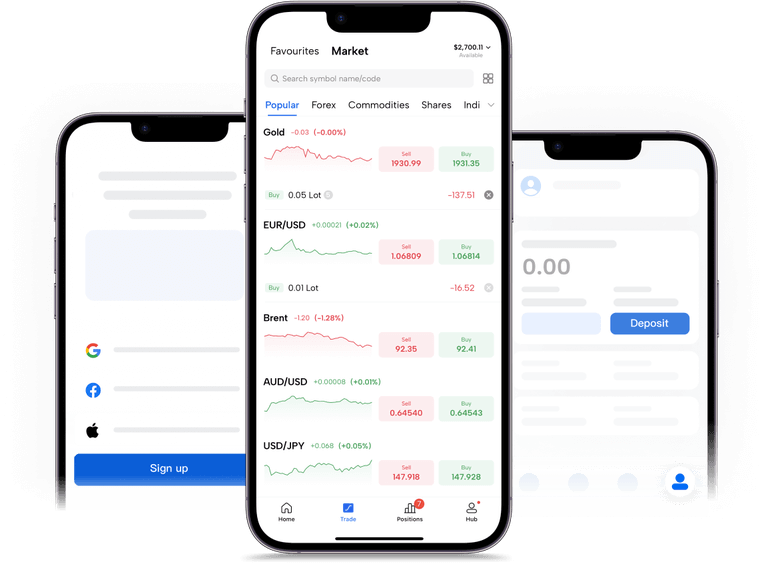
1. Mitrade – ASIC-regulated platform providing silver CFDs with low spreads, leverage options, and risk management tools such as stop-loss and take-profit. Suitable for traders who want flexibility and tactical exposure.
2. IG Australia – Established global broker offering silver CFDs with competitive spreads, strong regulatory oversight, and robust trading platforms. Best for investors seeking a reliable international provider with advanced trading tools.
3. CMC Markets Australia – ASIC-regulated platform offering CFDs on silver and other commodities. Provides advanced charting, research resources, and risk management features. Well-suited for active traders or those looking to integrate silver CFDs into broader commodity strategies.

Trade Forex & Commodities with Flexible CFDs
Trade forex and commodity CFDs to respond to AUD swings and global market shifts with greater precision.
* CFDs are complex instruments and come with a high risk of losing money.


How to Buy Silver in Australia: Physical vs CFD Pathways
Here’s a clear step-by-step view of how Australian investors can approach silver investment, comparing physical silver and CFDs, with an example using Mitrade for CFDs.
Physical Silver: Best for long-term security, tangible ownership, and wealth preservation.
Silver CFDs: Best for tactical trading, short-term strategies, or investors wanting flexible exposure without storage hassles.
Many Australian investors combine both: physical silver for long-term stability + CFDs for opportunistic price movements.
Final Thoughts
The best place to buy silver in Australia depends on your goals, not the product itself.
Physical silver, ETFs, and CFDs each serve a purpose. Understanding their differences—and choosing accordingly—is far more important than chasing the lowest price or the most popular option.
A well-informed decision is always the strongest investment strategy.
*CFDs are complex instruments and come with a high risk of losing money due to leverage. Make sure you understand how CFDs work and whether you can afford to take the high risk of losing your money.
1. Is it legal to trade silver CFDs in Australia?
Yes, provided the platform is properly regulated.
2. Is physical silver safer than CFDs?
They carry different types of risk. Physical silver reduces counterparty risk, while CFDs introduce market and leverage risk.
3. Can beginners invest in silver?
Yes, but beginners should start with education and risk control.
Disclaimer: The content presented above, whether from a third party or not, is considered as general advice only. CFD trading involves significant risk of loss. Past performance does not guarantee future results. This article serves informational purposes only and does not constitute financial advice. Consider your risk tolerance before trading.


