




JPMorgan Issues Rare Warning: US Stock Correction Risk Remains, Biggest Danger Signal Is Iran.
TradingKey - As the Middle East conflict continues to escalate, Wall Street has begun to reassess the impact of geopolitical risk on global asset pricing. JPMorgan Chase (JPM) In the short term, the firm has shifted its stance on U.S. stocks from cautious to bearish, believing that market movements will be highly dependent on whether a clear resolution path for the Iran issue emerges.
JPMorgan noted that the market currently underprices geopolitical risk. Against a backdrop of energy supply concerns, oil price volatility, and a resurgence in global inflation expectations, U.S. stocks face higher short-term volatility risks.
However, the bank emphasized that this view is a tactical judgment and does not mean the long-term bull market thesis for U.S. equities has ended.
Iran's ceasefire conditions have introduced new uncertainties to the market, with recent diplomatic signals from Tehran becoming a key variable affecting market sentiment.
Iran's Deputy Foreign Minister stated that the prerequisite for a ceasefire is that "no further acts of aggression" occur, and revealed that several countries, including Russia, are participating in diplomatic mediation. Meanwhile, high-ranking Iranian military officials issued a stern statement claiming that the U.S. and Israel can "no longer start or end wars at will."
With negotiation prospects remaining unclear, Iran also sent a signal with greater market impact—it may implement "controls" on passage through the Strait of Hormuz, one of the world's most critical energy transit routes.
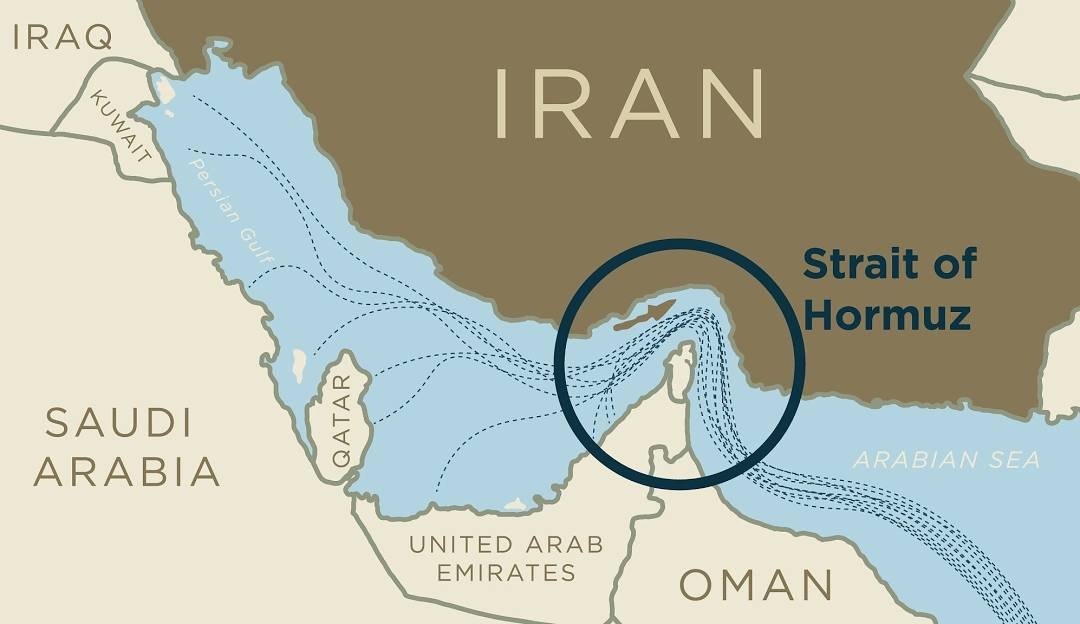
Although Iran emphasized that this is not equivalent to closing the strait, the statement was sufficient to trigger market concerns over energy supply disruptions. The Strait of Hormuz accounts for approximately one-fifth of global oil transit; any disruption would quickly impact global energy markets.
Oil Price Shock Becomes the Market's Greatest Risk
In JPMorgan's view, the impact of the Middle East situation on financial markets is primarily transmitted through energy channels.
With disruptions to transit in the Strait of Hormuz, oil prices have already risen sharply, and the energy price shock will quickly transmit to global inflation expectations. Once oil prices rise persistently, it will not only increase corporate production costs but also potentially alter market expectations for major central banks' policy paths. In other words, rising oil prices mean that expectations for interest rate cuts could be delayed, and maintaining high interest rates will directly suppress equity valuations.
JPMorgan believes that the chain reaction of rising inflation driven by this energy shock—leading to an adjustment in interest rate expectations—is the market's largest source of potential risk.
There is a precedent for this.
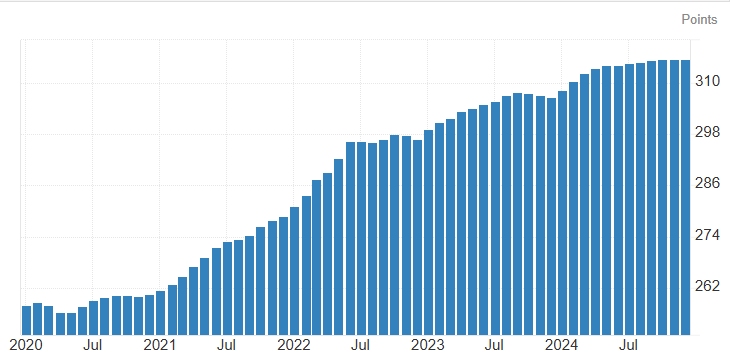
Following the outbreak of the Russia-Ukraine conflict on February 24, 2022, U.S. inflation continued to climb, leading to a period of stagflation during the Biden administration. This was driven by rising energy prices on one hand and excessive fiscal stimulus on the other, keeping inflation persistently high.
Market Positioning Remains Tilted Toward Risk Assets
Another reason for trader caution is the structure of market positioning.
Despite the rapid escalation of geopolitical risks, overall investor positioning remains tilted toward risk assets. Pricing in the options market also indicates that the market has not yet fully hedged against potential downside risks.
In this scenario, market volatility could amplify quickly if new negative news emerges, such as attacks on energy infrastructure or shipping disruptions. JPMorgan's trading desk therefore believes that U.S. stocks may enter a period of higher volatility in the short term.
Long-term Thesis Remains Unchanged
Despite shifting to a cautious short-term stance, JPMorgan has not changed its medium-to-long-term outlook for the U.S. economy.
The bank believes current market risks stem primarily from geopolitical shocks rather than a systemic deterioration of U.S. economic fundamentals. U.S. economic growth, corporate earnings, and technology sector investment remain relatively resilient.
In other words, if signs of easing emerge in the Middle East, the market risk premium could fall rapidly. Historical experience shows that risk assets typically rebound quickly when a diplomatic path for geopolitical conflict appears.
For investors, the key lies in whether a clear diplomatic resolution path for the Iran issue can materialize.
If the conflict continues to escalate and impacts energy transit, rising oil prices and inflationary pressures may continue to weigh on risk assets, and a further correction in U.S. stocks remains possible. However, if a breakthrough occurs in diplomatic negotiations, the market risk premium could retreat rapidly, and U.S. stocks may return to their previous upward trajectory.
Recommended Articles


