




7 Best Forex Trading App in Australia: A 2026 Guide for Traders

Forex trading continues to grow in popularity among Australian investors, driven by increased currency volatility, global macro shifts, and the convenience of mobile trading. As more traders move from desktop platforms to smartphones, choosing the right forex trading app has become a critical decision.
However, not all forex trading apps are created equal. Australian traders must consider ASIC regulation, trading costs, platform reliability, and whether the app supports CFD-based forex trading, which remains the most common way retail traders access the FX market.
This article reviews 7 of the best forex trading apps in Australia for 2026,, offering a clear guide for investors with different trading styles and experience levels.
1. Mitrade – All-Round Forex Trading App for Australian CFD Traders
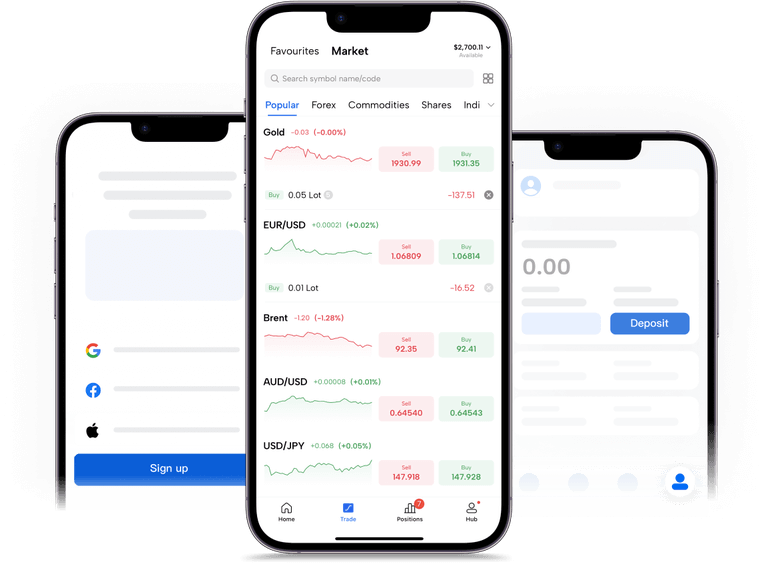
Mitrade has gained strong traction in Australia as a mobile-first forex trading app designed for simplicity, transparency, and regulatory compliance. The app focuses on CFD trading across forex, commodities, indices, and cryptocurrencies, making it particularly appealing to traders who want flexibility without platform complexity.
Key Features
ASIC-regulated CFD provider
Intuitive mobile app and web platform
Commission-free forex trading (costs built into spreads)
Competitive spreads on major FX pairs
Integrated risk management tools (stop-loss, take-profit)
Pros
✅ Clean, beginner-friendly interface
✅ No commission structure simplifies cost calculation
✅ Suitable for both new and intermediate traders
✅ Strong educational content built into the app
Cons
❌Limited third-party platform integration (e.g. no MT4/MT5)
❌Less suited for highly advanced algorithmic traders
Best for:
Australian traders looking for a straightforward, well-regulated forex trading app with a strong mobile experience and clear pricing.

Trade Forex with Flexible CFDs
Trade forex CFDs to respond to AUD swings and global market shifts with greater precision.
* CFDs are complex instruments and come with a high risk of losing money.


2. IG Trading App – Established Forex Platform with Broad Market Access
IG is one of the most recognised names in Australia’s online trading industry. Its forex trading app offers access to a wide range of currency pairs and is backed by decades of market presence.
Key Features
ASIC-regulated provider
Over 80 forex pairs available
Advanced charting and technical tools
Supports CFDs and spot FX trading
Pros
✅ Highly trusted brand with long operating history
✅ Extensive research and market analysis
✅ Advanced trading tools for experienced users
Cons
❌ Platform may feel complex for beginners
❌ Costs can be higher for smaller account sizes
Best for:
Experienced traders who value deep market access and professional-grade tools.
3. Pepperstone – Popular Forex Trading App for Active Traders
Pepperstone is widely used by Australian forex traders, particularly those who trade frequently. Its app supports both MT4 and MT5, making it a favourite among technically oriented traders.
Key Features
ASIC regulation and global presence
Razor and Standard account options
Tight spreads on major forex pairs
MT4, MT5, and cTrader support
Pros
✅ Very competitive spreads
✅ Excellent execution speed
✅ Strong reputation among active traders
Cons
❌ Interface can be overwhelming for beginners
❌ Education tools are less integrated than some competitors
Best for:
Active and technically skilled forex traders who prioritise low spreads and fast execution.
4. CMC Markets – Advanced Mobile Forex Trading App
CMC Markets offers a sophisticated trading app that mirrors much of its desktop platform functionality. It is well known for its proprietary Next Generation platform.
Key Features
ASIC-regulated
Large range of forex pairs
Advanced charting and risk tools
Integrated market analysis
Pros
✅ Powerful mobile charting tools
✅ No commission on standard FX trades
✅ Strong educational and research content
Cons
❌ Interface may feel heavy on smaller screens
❌ Learning curve for new traders
Best for:
Traders who want institutional-style tools in a mobile forex trading app.
5. Plus500 – Simple Forex Trading App for Short-Term CFD Trading
Plus500 is known for its simplicity and streamlined CFD trading experience. The app focuses on ease of use rather than deep customization.
Key Features
ASIC-regulated CFD platform
Simple interface designed for mobile use
Fixed spreads on many forex pairs
Pros
✅ Very easy to use
✅ Fast account setup
✅ Suitable for short-term trading strategies
Cons
❌ Limited advanced tools
❌ Not ideal for long-term or complex strategies
Best for:
Beginner traders or those looking for a clean, no-frills forex trading app.
6. eToro – Social Forex Trading App with Community Features
eToro differentiates itself through social and copy trading features, allowing users to follow or replicate other traders’ forex strategies.
Key Features
ASIC regulation
Social trading and copy trading tools
User-friendly mobile app
Multi-asset CFD trading
Pros
✅ Strong community-based trading experience
✅ Easy for beginners to get started
✅ Transparent risk scores on copied traders
Cons
❌ Wider spreads compared to specialist FX platforms
❌ Less control for advanced traders
Best for:
New traders interested in learning forex trading through social interaction.
7. Saxo Markets – Professional Forex Trading App for High-Value Traders
Saxo Markets caters to professional and high-net-worth traders, offering advanced analytics and premium trading tools.
Key Features
ASIC-regulated
Extensive forex pair coverage
Institutional-grade research and analytics
Pros
✅ Very powerful trading infrastructure
✅ High-quality research
✅ Strong risk management tools
Cons
❌ Higher minimum deposits
❌ Not beginner-oriented
Best for:
Professional or semi-professional forex traders with larger portfolios.
Comparison Table: Best Forex Trading Apps in Australia (2026)
The table below compares the most popular forex trading apps in Australia based on regulation, pricing structure, and trader suitability.
“Trade forex CFDs with an ASIC-regulated broker. Fast AUD funding via PayID. ”
How to Choose the Best Forex Trading App in Australia
1. Start with regulation and investor protection.
Any forex trading app used in Australia should be operated by a provider licensed by the Australian Securities and Investments Commission (ASIC). ASIC regulation ensures strict leverage limits, mandatory risk disclosures, and client fund protection rules. If an app does not clearly disclose its regulatory status, it should be treated with caution.
2. Understand how trading costs are structured.
Forex trading apps may charge through spreads, commissions, or a combination of both. Low headline spreads are not always the cheapest option once overnight financing fees and execution quality are considered. For traders who hold positions longer than a day, swap rates and rollover costs can materially affect performance over time.
3. Evaluate mobile usability and execution reliability.
A forex trading app must perform consistently under real market conditions, including periods of high volatility. Fast order execution, platform stability, and clear position monitoring are essential, especially for traders who rely on mobile devices rather than desktop platforms.
4. Match the app to your trading style and experience level.
Beginner traders often benefit from apps that prioritise simplicity, integrated education, and intuitive risk controls. More experienced traders may prefer advanced charting, multiple order types, and support for technical strategies. There is no universal “best” app—only the most suitable one for your approach.
5. Prioritise risk management tools.
Effective risk management is a defining feature of a quality forex trading app. Look for platforms that offer flexible stop-loss and take-profit orders, negative balance protection, and transparent margin requirements. These tools are particularly important when trading forex via CFDs, where leverage can amplify both gains and losses.
In practice, the best forex trading app for Australian traders is one that combines strong regulation, transparent costs, reliable execution, and risk controls that support disciplined decision-making—rather than encouraging excessive or speculative trading behaviour.
Final Thoughts
The best forex trading app in Australia depends on your experience level, trading goals, and preferred tools. Platforms like Mitrade offer an accessible, mobile-focused entry point.
By prioritising regulation, transparency, and usability, Australian traders can choose a forex trading app that supports both effective trading and responsible risk management in 2026.
*CFDs are complex instruments and come with a high risk of losing money due to leverage. Make sure you understand how CFDs work and whether you can afford to take the high risk of losing your money.
1. Is forex trading legal in Australia?
Yes. Forex trading is legal in Australia when conducted through an ASIC-regulated provider.
2. Are forex trading apps safe?
They can be, provided the platform is properly regulated and follows ASIC client protection rules.
3. Can beginners use forex trading apps?
Yes, but beginners should start with platforms that offer simple interfaces, education, and strong risk management tools.
Disclaimer: The content presented above, whether from a third party or not, is considered as general advice only. CFD trading involves significant risk of loss. Past performance does not guarantee future results. This article serves informational purposes only and does not constitute financial advice. Consider your risk tolerance before trading.


