




Comparing Forex Trading Platforms in Australia: Which One Fits Your Trading Style?
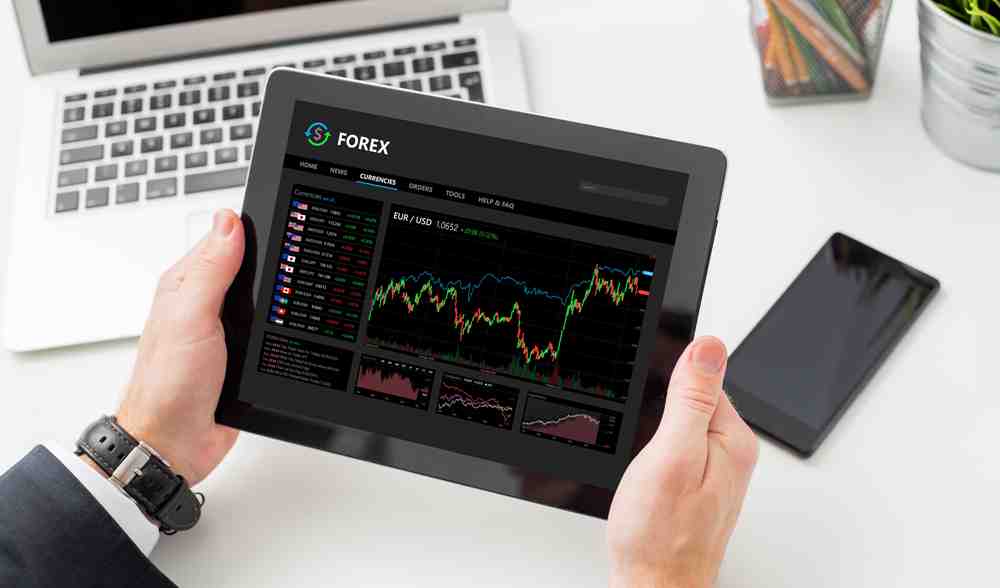
When Australian investors search for a forex trading platform, the assumption is often that there must be a single “best” option. In reality, platform choice is far more personal and strategic than that. What works well for an active short-term trader may be unsuitable for a beginner, while a platform designed for simplicity may frustrate a trader who relies on advanced execution tools.
In 2026, this distinction matters more than ever. Increased volatility in global currencies, persistent uncertainty around interest rates, and a fluctuating Australian dollar (AUD) have pushed more investors toward forex trading—primarily via CFDs. At the same time, ASIC’s strict regulatory framework has reshaped how platforms operate, placing limits on leverage and strengthening investor protections.
Rather than asking which platform is the best, Australian traders are better served by asking a more practical question: which forex trading platform fits my trading style, risk tolerance, and objectives?
Understanding the Main Types of Forex Trading Platforms in Australia
Before comparing individual platforms, it is important to understand how forex trading platforms in Australia are structured.
CFD-based forex platforms vs spot FX access
Most retail traders in Australia access the forex market through CFDs (Contracts for Difference) rather than spot FX ownership. CFD-based platforms allow traders to speculate on currency price movements without owning the underlying currency pair. This structure enables both long and short positions and requires less upfront capital due to margin trading.
Spot FX access, while available to institutions and some professional traders, is far less common among retail users and typically involves higher capital requirements and operational complexity.
Proprietary platforms vs third-party platforms
Australian forex trading platforms generally fall into two categories:
Proprietary platforms, developed and maintained by the broker, often prioritise ease of use and integrated risk management.
Third-party platforms such as MetaTrader 4 (MT4), MetaTrader 5 (MT5), or cTrader, which appeal to traders who value custom indicators, automation, or familiarity across brokers.
Each approach has trade-offs. Proprietary platforms tend to be more intuitive, while third-party platforms offer greater flexibility for advanced strategies.
Mobile-first vs desktop-focused platforms
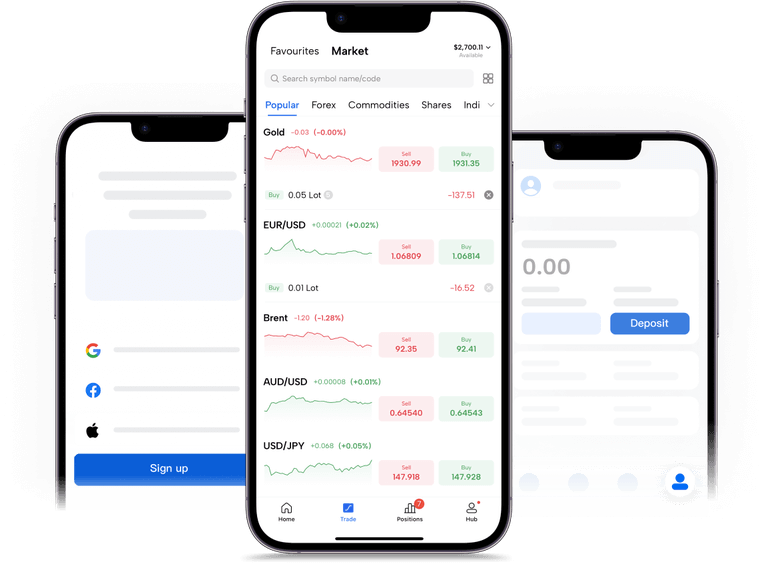
By 2026, mobile trading is no longer secondary. Many Australian traders manage positions entirely through a forex trading app. Mobile-first platforms emphasise clarity, speed, and position control, while desktop-focused platforms still appeal to traders conducting deep technical analysis.
Why most Australian retail traders use forex CFDs
The dominance of CFDs in Australia is driven by:
ASIC-regulated leverage structures
Ability to trade AUD-related pairs efficiently
Access to global FX markets from a single account
Integrated risk controls mandated by regulation
“Trade forex CFDs with an ASIC-regulated broker. Fast AUD funding via PayID. ”
Key Factors to Compare When Choosing a Forex Trading Platform
Regulation and investor protection
ASIC regulation is non-negotiable. A legitimate forex trading platform in Australia must operate under an Australian Financial Services Licence (AFSL), adhere to leverage limits, provide risk disclosures, and implement client fund protections.
Trading costs and fee transparency
Costs vary significantly between platforms and may include:
Spreads
Commissions
Overnight financing (swap) fees
Low spreads alone do not guarantee lower overall costs, especially for traders who hold positions overnight.
Execution quality and platform stability
Execution speed and reliability matter most during volatile market conditions. Slippage, delays, or platform outages can materially affect outcomes, regardless of strategy.
Risk management tools
Quality platforms provide:
Stop-loss and take-profit orders
Margin alerts
Negative balance protection
These tools are essential in leveraged CFD trading environments.
Mobile usability and flexibility
Clear position tracking, fast order placement, and stable performance on mobile devices are now baseline expectations rather than premium features.
Education and market research
Educational content, market commentary, and economic calendars help traders make informed decisions rather than reactive ones.
Trading Styles Explained: Which Platform Features Matter Most?
1. Beginner and Learning-Focused Traders
Beginners benefit from platforms that prioritise simplicity over customization. Clear pricing, intuitive interfaces, educational resources, and strong risk controls reduce the likelihood of early mistakes.
Overly complex platforms can encourage overtrading or misuse of leverage, which ASIC regulation is specifically designed to prevent.
2. Active and Short-Term Traders
Active traders place greater importance on:
Tight spreads
Fast execution
Advanced order types
These traders are more sensitive to execution quality than interface design and often trade during high-liquidity sessions.
3. Swing and Medium-Term Traders
Swing traders typically hold positions for days or weeks. For them, overnight financing costs, charting tools, and macroeconomic analysis are more important than millisecond execution speeds.
4. Tactical and Hedging-Oriented Traders
This group uses forex CFDs as a risk management tool, often to hedge AUD exposure linked to overseas investments or income streams. Flexibility, the ability to go long or short, and transparent margin requirements are key considerations.
“Trade forex CFDs with an ASIC-regulated broker. Fast AUD funding via PayID. ”
6 Popular Forex Trading Platforms in Australia
Mitrade – Streamlined Forex & CFD Trading for Active Australian Traders
Overview
Mitrade has gained strong traction in Australia thanks to its intuitive app-first design, transparent pricing, and focus on forex and commodity CFDs. It is regulated by ASIC and positioned toward traders who want flexibility without the complexity of institutional-style platforms.
How it works in practice
Clean interface designed for fast execution on mobile and desktop
Integrated market insights and economic indicators, useful during AUD volatility
CFD-based forex trading allows both long and short positioning without owning the underlying currency
Strengths
√ Simple onboarding and account setup for Australian residents
√ Competitive spreads with no commission on most forex pairs
√ Well-suited for traders hedging AUD exposure using forex and commodities
√ Strong mobile experience, especially for short- to medium-term strategies
Limitations
╳ Less customisation than professional-grade platforms like MT4/MT5
╳ Not designed for algorithmic or high-frequency trading
Best suited for
Retail traders, active CFD traders, and investors looking to manage currency risk alongside commodities in one platform.

Trade Forex & Commodities with Flexible CFDs
Trade forex and commodity CFDs to respond to AUD swings and global market shifts with greater precision.
* CFDs are complex instruments and come with a high risk of losing money.


eToro – Social Trading–Focused Forex Platform for Australian Investors
Overview
eToro is one of the most recognisable forex trading platforms among Australian retail investors, particularly for its social trading and copy trading model. Operating under ASIC regulation, eToro positions itself differently from execution-centric CFD platforms by focusing on community-driven decision-making.
How it works in practice
Forex trading is integrated with social feeds and trader profiles
Users can observe, follow, or automatically copy other traders’ forex positions
Platform design prioritises ease of use over advanced technical customisation
Strengths
√ Strong appeal to beginner and intermediate Australian traders
√ Social and copy trading lowers the barrier to market participation
√ Clear risk metrics and public performance statistics
√ Multi-asset exposure alongside forex, including indices and commodities
Limitations
╳ Limited advanced charting compared with professional trading platforms
╳ Less control for traders who prefer manual strategy execution
╳ Not designed for high-frequency or technical-heavy trading styles
Best suited for
Australian traders who value learning through observation, prefer hands-off forex exposure, or want to explore currency markets without building strategies from scratch.
cTrader – Transparency and Precision for Advanced Execution
Overview
cTrader is popular among Australian traders who prioritise order execution quality and pricing transparency, particularly in ECN-style environments.
How it works in practice
Level II pricing and depth of market visibility
Faster execution for short-term trading strategies
Cleaner interface than MT4, but still relatively technical
Strengths
√ Transparent pricing structure
√ Strong execution for scalping and intraday trading
√ Good balance between usability and advanced tools
Limitations
╳ Smaller broker ecosystem compared to MetaTrader
╳ Fewer third-party indicators
Best suited for
Active day traders and scalpers who care about execution speed and spread visibility.
IG Trading Platform – Broad Market Access with Strong Research
Overview
IG is one of the most established trading providers in Australia, offering its proprietary platform alongside forex trading. Its platform emphasises research depth and multi-asset access.
How it works in practice
Forex trading integrated with indices, shares, and commodities
Strong in-platform research and market commentary
More structured, less “lightweight” experience
Strengths
√ Extensive educational and research content
√ Reliable infrastructure and long regulatory history
√ Suitable for traders who combine forex with other assets
Limitations
╳ Platform can feel complex for forex-only traders
╳ Costs may be higher depending on trading frequency
Best suited for
Traders who value macro analysis and diversified exposure over speed-focused trading.
Pepperstone Platform Suite – Flexibility Across Multiple Interfaces
Overview
Pepperstone is a well-known Australian broker offering access to multiple platforms (MT4, MT5, cTrader), giving traders choice rather than a single ecosystem.
How it works in practice
Platform experience varies depending on trader preference
Strong infrastructure for forex execution
Less emphasis on proprietary tools
Strengths
√ Platform flexibility
√ Competitive pricing for active traders
√ Strong reputation in the Australian forex market
Limitations
╳ No unified proprietary platform experience
╳ Beginners may feel overwhelmed by options
Best suited for
Traders who already know which platform they prefer and want broker flexibility.
SaxoTraderGO – Professional Tools for Capital-Heavy Traders
Overview
SaxoTraderGO is positioned toward advanced and high-capital traders, offering institutional-grade tools and global market access.
How it works in practice
Highly detailed analytics and risk tools
Broad forex pair coverage
Designed more for desktop than mobile-first traders
Strengths
√ Professional-grade analytics
√ Strong risk management features
√ Suitable for complex portfolio strategies
Limitations
╳ Higher minimums and complexity
╳ Not ideal for casual or beginner traders
Best suited for
Sophisticated traders managing larger forex portfolios.
Comparison Table: Forex Trading Platforms by Trading Style
This table compares major forex trading platforms available to Australian traders based on trading style and practical use cases, rather than performance claims. Platform suitability varies significantly depending on strategy, risk tolerance, and experience level.
“Trade forex CFDs with an ASIC-regulated broker. Fast AUD funding via PayID. ”
Regulatory and Risk Considerations for Australian Traders
ASIC’s leverage limits, introduced to protect retail investors, shape how platforms design their products. These rules reduce excessive risk but also require traders to be more deliberate with position sizing.
Common mistakes include:
Choosing platforms based on leverage marketing
Ignoring overnight costs
Using tools not aligned with trading style
Regulation does not eliminate risk—it frames how risk should be managed.
How to Match a Forex Trading Platform to Your Personal Trading Style
Traders should ask themselves:
Am I trading actively or occasionally?
Do I rely on technical analysis or macro themes?
How important is mobile access?
What level of risk am I prepared to manage?
The most effective platform is one that supports discipline and consistency, not impulsive trading behaviour.
Final Thoughts
In 2026, the Australian forex trading landscape offers more choice than ever. But choice alone does not lead to better outcomes. Matching a forex trading platform to your trading style, experience level, and objectives is far more important than chasing features or popularity.
A well-chosen platform should support decision-making, not distract from it.
*CFDs are complex instruments and come with a high risk of losing money due to leverage. Make sure you understand how CFDs work and whether you can afford to take the high risk of losing your money.
1. Are forex trading platforms regulated in Australia?
Yes, legitimate platforms must be licensed and regulated by ASIC.
2. Do all platforms offer forex via CFDs?
Most retail platforms in Australia provide forex access primarily through CFDs.
3. Which platform is best for beginners?
Platforms with simple interfaces, education, and strong risk controls are generally more suitable.
Disclaimer: The content presented above, whether from a third party or not, is considered as general advice only. CFD trading involves significant risk of loss. Past performance does not guarantee future results. This article serves informational purposes only and does not constitute financial advice. Consider your risk tolerance before trading.


