




Is US-Iran Conflict About to End? Crude Oil Plummets, Gold Hits $4,500
TradingKey - Tensions between the US and Iran showed clear signs of easing on Wednesday (May 20), leading to a plunge in the crude oil market while gold ( XAUUSD) continued its rally.
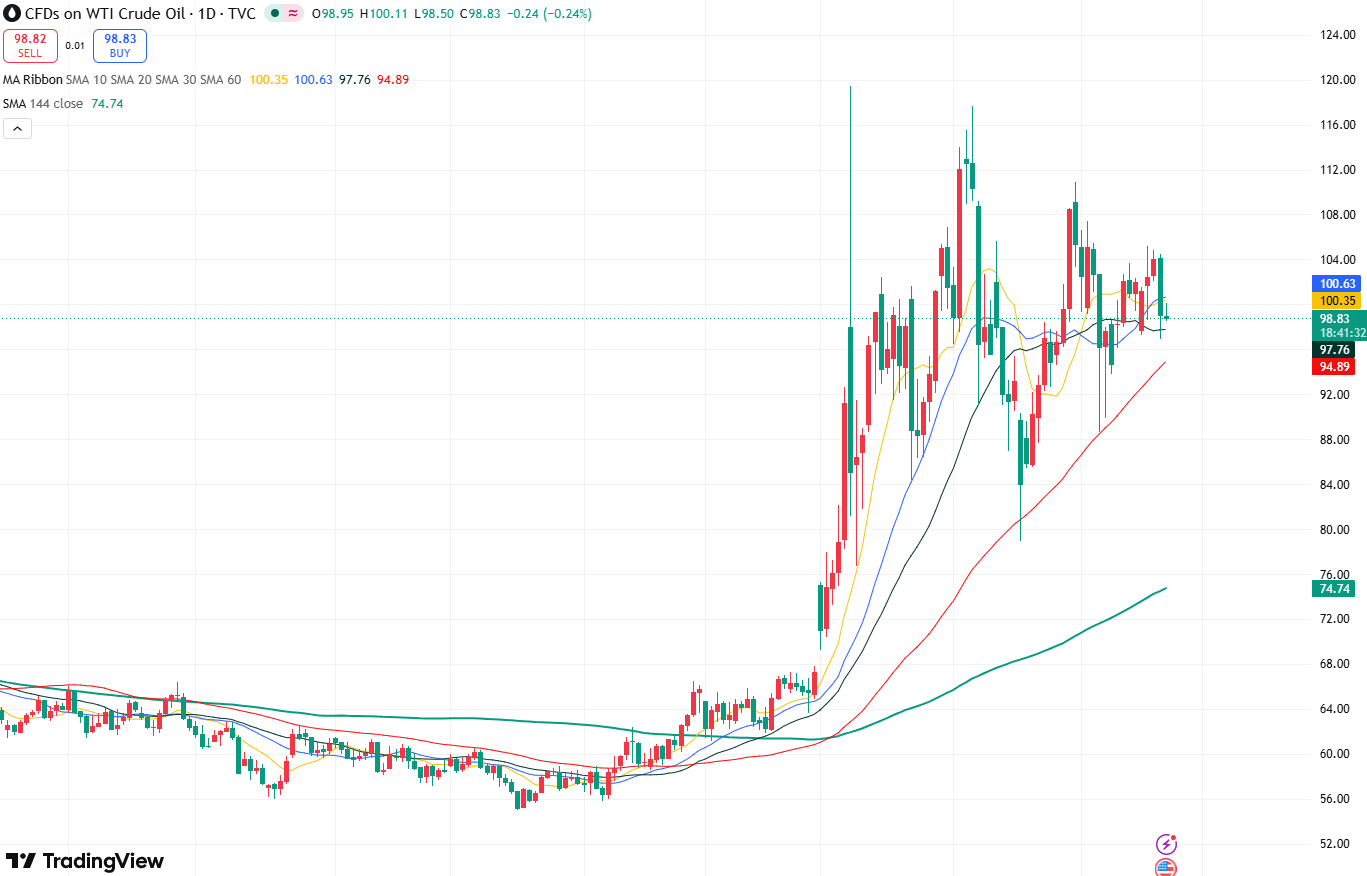
WTI crude oil daily price chart, Source: TradingView
The latest news from Al Arabiya indicates that sources claim Pakistan's Army Chief, acting as a mediator in US-Iran negotiations, will visit Iran and announce the final version of the US-Iran agreement text.
Following this, US President Trump stated that negotiations have entered the final stage, though the US may still take further action if Iran does not accept the deal.
Meanwhile, Iran's Foreign Ministry spokesperson stated that Tehran is collaborating with Oman to establish a mechanism to ensure the continued security of the Strait of Hormuz and is prepared to develop safe shipping agreements with other littoral states. This statement from Iran was viewed by the market as the latest cooling signal released by both parties on the brink of conflict.
Following the news, the market reacted sharply; the crude oil market plummeted while gold prices rebounded rapidly. By Wednesday's close, Brent crude had dropped over 5% intraday, ending the session down 4.87%, WTI crude oil fell below $100 to close at $99.07, while gold continued its rally to break above $4,500, rebounding from Wednesday's low of $4,467 to a current peak of $4,570 today—a bounce of over $100.
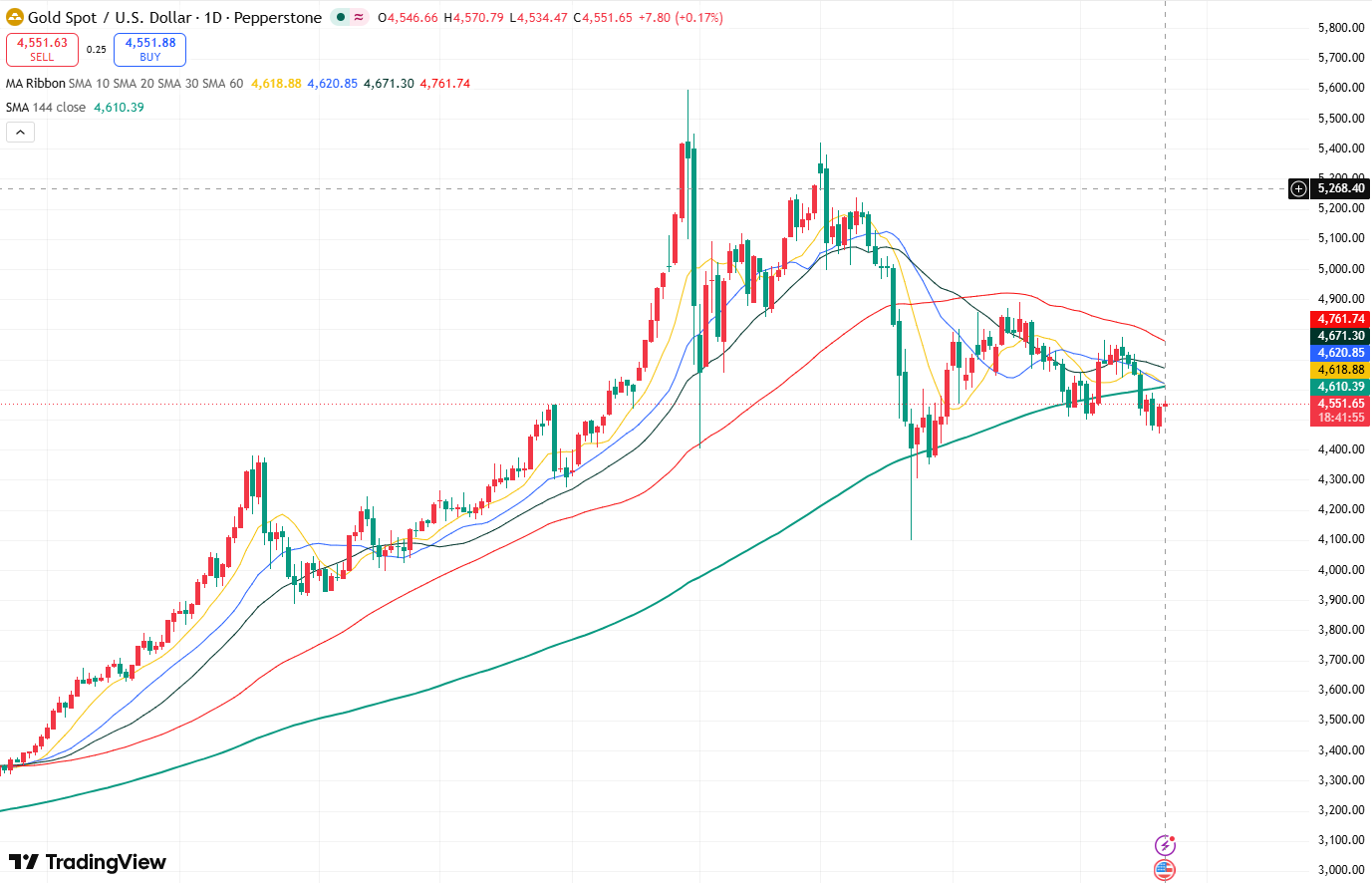
Gold price daily chart, Source: TradingView
Market institutions hold diverging views on the US-Iran situation. John Kilduff of Again Capital believes current political statements should be taken with a grain of salt, though the market has indeed quickly priced in expectations of peace. Wood Mackenzie noted that if the Strait of Hormuz remains largely restricted through the end of the year, oil prices could approach $200. Other analysts warned that the market's reaction to the de-escalation is overly optimistic; PVM pointed out that global inventories could decline rapidly, and traders' vigilance regarding the evolution of the conflict hasn't fully recovered.
It is too early to conclude whether the US-Iran situation is nearing its end. Reuters noted that only three supertankers passed through the Strait of Hormuz this week, far below the pre-war level of approximately 130 per day; the CEO of ADNOC also stated that it would take at least four months to restore traffic to 80% of pre-conflict levels.
At the same time, EIA data showed that US crude oil inventories fell by 7.9 million barrels last week, indicating that demand remains robust while the supply side is still fragile. Furthermore, given Trump's inconsistent statements, the US might strike Iran again, and Iran has not provided complete details of the agreement. This means the market is currently trading on expectations of de-escalation rather than an actual end to the conflict.
Recommended Articles


