




US Cocoa Futures (COCOA-F) Is down 2.13% on Aug 18: What You Need to Watch
US Cocoa Futures (COCOA-F) is down 2.13% at Aug 18 08:30(ET), now at $5914.5, with a 7-day up of 7.08%.
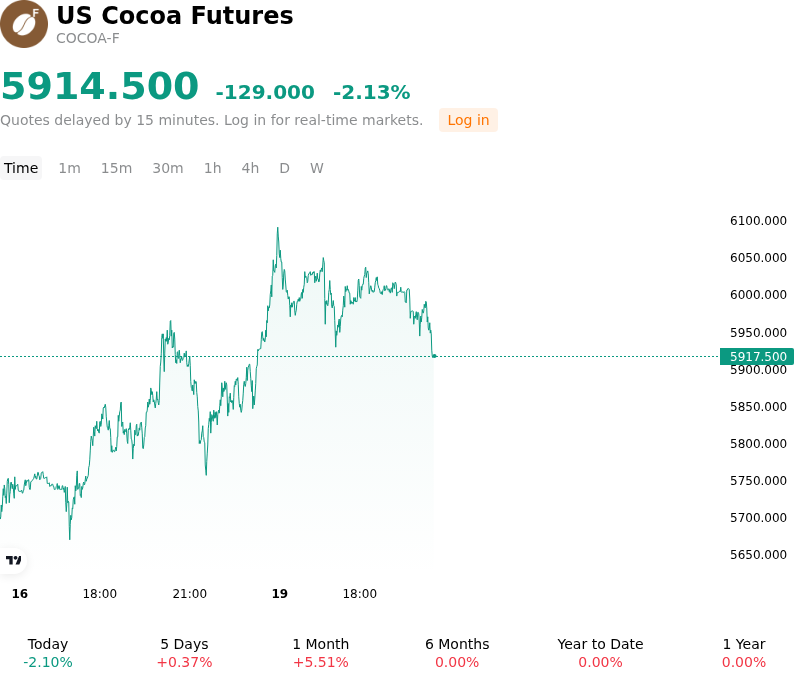
What is driving US Cocoa Futures (COCOA-F)’s stock price down today?
Robust physical availability across key West African producing nations and a temporary unwinding of weather-risk premiums drove cocoa futures lower during the session. Port arrivals in Côte d'Ivoire have continued to track comfortably above prior-year levels, while strong harvest totals from Ghana have bolstered physical supply in major consuming regions. Improved localized soil moisture and reports of refreshed tree flowering across core growing belts encouraged speculative market participants to pare back risk premiums, easing immediate crop development anxieties ahead of the main harvest.
The downside momentum was further reinforced by persistent demand-side headwinds and comfortable warehouse inventory levels. High retail confectionery prices and margin compression have prompted chocolate manufacturers to maintain cautious procurement strategies, as reflected in subdued quarterly grinding figures across European and Asian processing hubs. At the same time, exchange-monitored warehouse stocks remaining near elevated levels have relieved spot market tightness, dampening aggressive commercial buying and reinforcing a balanced near-term supply-demand outlook.
From a positioning perspective, technical selling and profit-taking by managed money funds accelerated the intraday pullback after prices struggled to sustain momentum near overhead resistance. While market participants continue to monitor medium-term structural risks for the 2026/27 crop—including swollen shoot disease, aging plantations, and potential weather disruptions from an emerging El Niño pattern—short-term pricing remains dominated by strong current-season deliveries, cautious processor demand, and liquidity-driven position unwinding.
Technical Analysis of US Cocoa Futures (COCOA-F)
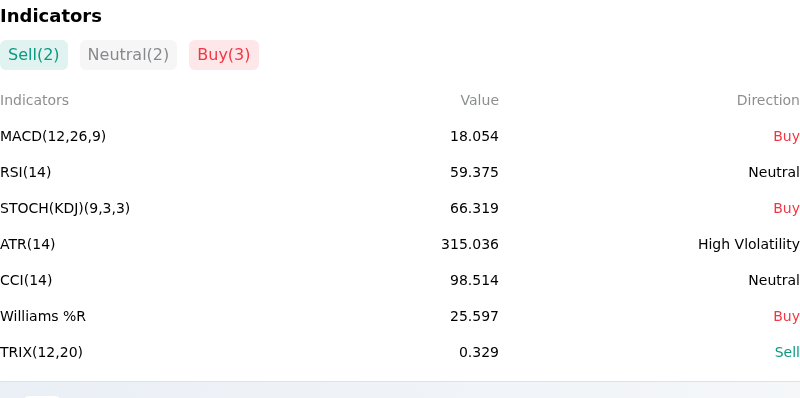
Technically, US Cocoa Futures (COCOA-F) shows a MACD (12,26,9) value of 18.054, indicating a buy signal. The RSI at 59.375 suggests neutral condition and the Williams %R at 25.597 suggests buy condition. Please monitor closely.
More details about US Cocoa Futures (COCOA-F)
Recent Events and Risks:
- Elevated Port Arrivals and Physical Availability: Cumulative cocoa shipments to Côte d'Ivoire ports reaching 2.11 million metric tons—up 20% year-over-year—alongside Ghana's 2025/26 harvest rising 25.6% to 750,000 metric tons, continue to flood spot markets with immediate physical supply and limit sustained upside price rallies.
- Multi-Year High ICE Warehouse Stocks: Exchange-monitored ICE cocoa inventories remaining near two-year highs of over 3.38 million bags demonstrate ample certified supply in terminal warehouses, aggravating downside risk as delivery pressures mount.
- European Demand Destruction and Product Reformulation: European second-quarter cocoa grindings dropped 4.6% year-over-year to a six-year low of 316,366 metric tons, reflecting persistent demand erosion as chocolate manufacturers cut cocoa usage and substitute cocoa butter with lower-cost alternative fats.
- Net-Short Managed Money Positioning and Liquidity Stress: Managed money accounts expanding net-short positions to -6,667 contracts during periods of realized volatility exceeding 90% exacerbate intraday liquidation risks whenever futures fail to clear major technical resistance near $6,000 per ton.
Recommended Articles


