




Oil Price Drops 5% on Iran Deal, But Recovery Won’t be Easy

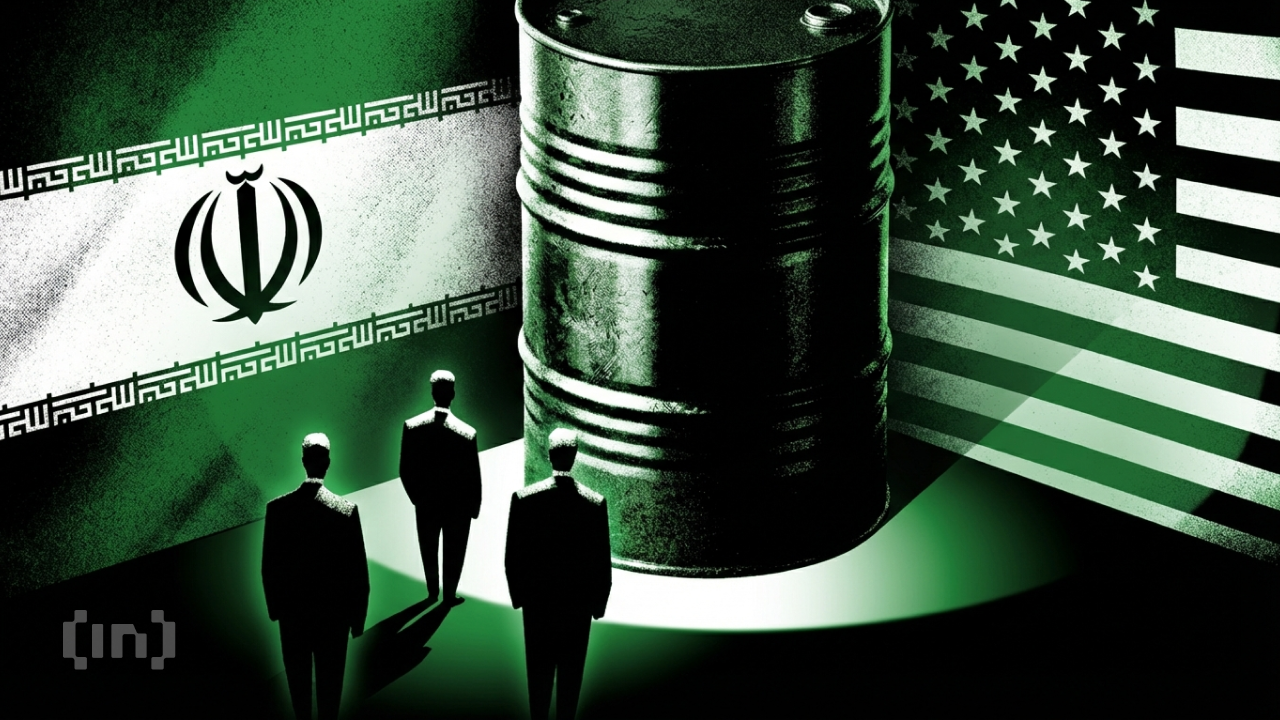
Spot Brent crude oil prices crashed more than 5% on Wednesday after President Donald Trump told PBS a US-Iran agreement could land before his upcoming visit to China.
The slide reflected investor bets that the closed Strait of Hormuz will fully reopen. However, Rystad Energy warned a breakthrough alone will not restore normal flows.
Trump Pauses Hormuz Escort Mission
Trump halted Project Freedom on Tuesday, the US-led operation tasked with escorting stranded ships through the chokepoint. He cited progress toward a final agreement.
A potential deal could require Iran to surrender enriched uranium and halt parts of its nuclear program. Trump said the conflict had a strong chance of ending soon. He also warned strikes would resume at a much higher level if negotiations collapse.
Iran’s Revolutionary Guard Navy responded by ordering vessels to seek prior approval before transit. The IRGC said unauthorized ships could be targeted.
“With aggressor’s threats neutralized & new protocols in place, safe, stable passage through SOH will be ensured,” wrote the IRGC Navy Command.
Oil prices crashed by over 5% following this news and were trading at $105.45 as of this writing.

About 1,500 ships remain stranded near the strait. The waterway handles roughly 20% of the seaborne oil trade.
Rystad Warns Oil Price Crash Will Outpace Physical Recovery
Rystad already cut its 2026 Brent forecast from $97 to $87 a barrel after April’s two-week ceasefire. Yet the firm stressed tightness in physical barrels will linger.
Tanker rates remain elevated, and sour crude buyers continue to pay security premiums. Insurers also need to reprice Gulf transit risk before shipping confidence returns.
Damaged regional infrastructure adds another constraint. Rystad estimates rebuild costs at between $34 billion and $58 billion. Iran and Qatar face the heaviest bills.
The consultancy expects physical flows to take 6 to 8 weeks to normalize after any deal. Some wells can restart faster, but full Gulf recovery may stretch into the third quarter.
“Global tanker networks would require six to eight weeks to fully reposition, with insurers and shipowners needing an additional 2–5 weeks…Even when the war ends, it will take six to eight weeks just to reposition the world’s tanker network,” they said.
US gasoline prices have stayed elevated near $4.50 a gallon during the conflict. Demand destruction has already begun showing up in consumption data.
Markets now hinge on whether Tehran accepts the framework before Trump departs for China.
 Don't Miss Today's Market Moves Start trading Forex, Gold & Crypto today Regulated platform | Fast withdrawals
* The content presented above, whether from a third party or not, is considered as general advice only. This article should not be construed as containing investment advice, investment recommendations, an offer of or solicitation for any transactions in financial instruments.


