


You're Too Worried About a Potential 22% Social Security Benefit Cut. You Should Be More Worried About This
Key Points
Social Security's trust funds are scheduled to be depleted in six years.
This could force a 22% benefit cut, though it's more likely the government will intervene to avoid this.
Fixing Social Security could involve raising taxes on workers and/or beneficiaries.
- The $23,760 Social Security bonus most retirees completely overlook ›
Social Security beneficiaries got some alarming news last week when the latest Trustees' Report revealed that the program is just six years away from insolvency. As things stand, beneficiaries will face a devastating 22% benefit cut by the end of 2032.
While it makes for an attention-grabbing headline, this isn't especially likely. The government will almost certainly take steps to avoid an extreme benefit cut. But that doesn't mean everything's going to be smooth sailing.
Where to invest $1,000 right now? Our analyst team just revealed what they believe are the 10 best stocks to buy right now, when you join Stock Advisor. See the stocks »
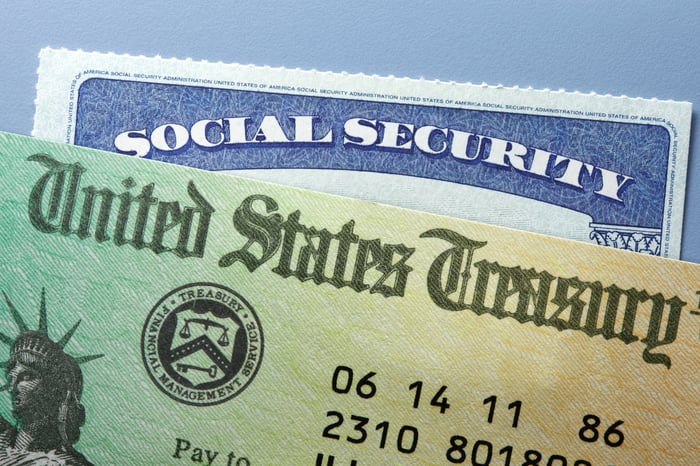
Image source: Getty Images.
Why Social Security is running out of money
Social Security's been slowly depleting its trust funds for years now, largely due to an imbalance between beneficiaries and workers. Back when the baby boomers were in the workforce, there were fewer claimants and plenty of people paying Social Security taxes to build up trust funds.
Then the baby boomers retired, drastically increasing the number of beneficiaries. Subsequent generations were smaller, so they paid less into the trust funds, and eventually, the tax revenue just wasn't enough, even with the benefit taxes Congress instituted in the 1980s, the last time Social Security was in danger of insolvency.
Right now, the program can pay out all benefits only because it's tapping the trust fund's reserves. When those run out, it'll have only the income from payroll and benefit taxes to fall back on, and that's only enough to pay out 78% of estimated benefits after the 2032 deadline.
Fixing Social Security is going to cost someone
Avoiding Social Security benefit cuts means increasing revenue for the program. And that will very likely involve raising taxes. The Trustees Report noted that the payroll tax rate may have to increase by as much as 4.9% to head off benefit cuts. This would reduce workers' take-home pay and make it more difficult for them to save for retirement, potentially making them more dependent on their Social Security benefits in the future.
Washington could also decide to raise Social Security benefit taxes on seniors or to raise the full retirement age (FRA), which is the age at which you qualify for your full benefit per check. Both of these would act as indirect benefit cuts, forcing seniors to rely more on income from other sources.
It's also possible the government may decide to raise the ceiling on Social Security payroll taxes. This is currently $184,500. This move would force wealthy Americans to pay more into the program without affecting ordinary workers, though this probably wouldn't fully eliminate the shortfall on its own.
The government will likely use a combination of strategies, though we don't yet know what they will look like. When it does settle on a plan, everyone will need to revisit their retirement plans to make changes and possibly some tough decisions about how to move forward.
The $23,760 Social Security bonus most retirees completely overlook
If you're like most Americans, you're a few years (or more) behind on your retirement savings. But a handful of little-known "Social Security secrets" could help ensure a boost in your retirement income.
One easy trick could pay you as much as $23,760 more... each year! Once you learn how to maximize your Social Security benefits, we think you could retire confidently with the peace of mind we're all after. Join Stock Advisor to learn more about these strategies.
View the "Social Security secrets" »
The Motley Fool has a disclosure policy.
Recommended Articles


