




Best Place to Buy Gold in Australia: Physical Gold vs Gold CFDs Explained

Gold has always played a special role in Australian portfolios, but 2026 has brought gold back into sharp focus.
With global uncertainty, persistent inflation concerns, and gold prices trading near historic highs, many Australians are asking a more practical question than ever before:
What is the best place to buy gold in Australia — and what’s the smartest way to do it?
Today, investors are no longer limited to walking into a bullion dealer and buying gold bars. Australians can now:
Own physical gold, such as coins and bars
Trade gold CFDs online, speculating on price movements without owning the metal
Each option comes with different costs, risks, and use cases. This guide explains physical gold vs gold CFDs, shows where Australians can access each option, and helps you decide which approach makes the most sense for your goals in 2026.
Understanding the Two Main Ways to Buy Gold in Australia
Before choosing the best place to buy gold, it’s important to understand how gold exposure actually works.
What Is Physical Gold?
Physical gold refers to tangible gold you legally own, typically in the form of:
Gold bars
Gold coins
Allocated or unallocated bullion
When you buy physical gold in Australia, you are purchasing the metal itself. Ownership is clear, and the value is directly tied to the global gold price.
Physical gold is commonly used for:
Long-term wealth preservation
Inflation hedging
Portfolio diversification
What Are Gold CFDs?
Gold CFDs (Contracts for Difference) allow investors to trade gold price movements without owning physical gold.
When trading gold CFDs:
You speculate on whether gold prices will rise or fall
Profits and losses are based on price changes
No storage, delivery, or insurance is required
Gold CFDs are widely used in Australia for:
Short- to medium-term trading
Active portfolio management
Hedging other investments
“Trade gold CFDs with an ASIC-regulated broker. Fast AUD funding via PayID. ”
Physical Gold in Australia: Pros, Cons, and Where to Buy
Advantages of Buying Physical Gold:
Physical gold remains popular among Australian investors for several reasons:
✅ Direct ownership: You own a real, tangible asset with no leverage involved.
✅ No counterparty risk: Gold is not dependent on a platform’s solvency once you hold it.
✅ Long-term value preservation: Physical gold is often used as a hedge against inflation and currency depreciation.
Disadvantages of Physical Gold:
However, physical gold is not without drawbacks:
❌ Storage and insurance costs: Secure storage can be expensive over time.
❌ Higher transaction spreads: Buying and selling physical gold often involves wider margins.
❌ Lower liquidity for short-term needs: Selling physical gold may take longer than exiting an online trade.
Best Places to Buy Physical Gold in Australia
Australians typically buy physical gold from established, reputable providers such as:
Perth Mint – Government-backed, widely trusted
ABC Bullion – Competitive pricing and storage options
Local bullion dealers – Convenient but pricing varies
When choosing where to buy physical gold in Australia, investors should consider:
Pricing transparency
Buy-back policies
Storage and delivery options
Gold CFDs in Australia: Pros, Cons, and How Trading Works
Gold CFDs have become one of the most popular ways for Australians to gain exposure to gold prices—especially for those who prefer flexibility over physical ownership. However, before choosing a platform, it’s important to understand both the advantages, the risks, and how gold CFD trading actually works in practice.
Advantages of Trading Gold CFDs
Trading gold CFDs offers several practical benefits, particularly for active traders and beginners:
✅ No physical storage required: You don’t need to worry about storing, insuring, or transporting gold.
✅ Lower capital requirement: Gold CFDs allow investors to start with a relatively small amount of capital compared to buying physical gold.
✅ Trade both rising and falling markets: You can go long if you expect gold prices to rise, or short if you believe prices will fall.
✅ High liquidity and fast execution: Gold CFDs are traded online, making it easy to enter and exit positions quickly.
These features make gold CFDs attractive for Australians who want short-term exposure to gold price movements rather than long-term ownership.
Risks and Disadvantages of Gold CFDs
❌ Leverage magnifies losses as well as gains: While leverage reduces the upfront capital needed, it also increases downside risk.
❌ Not designed for buy-and-hold investing: CFDs are trading instruments, not long-term assets.
❌ Requires discipline and risk management: Stop-loss orders and position sizing are critical when trading gold CFDs.
Gold CFDs are best suited for investors who understand market volatility and are comfortable managing risk.
How Trading Gold CFDs Works in Australia
Understanding how gold CFD trading works helps investors make more informed decisions.
Here’s a simplified overview:
Choose a trading platform: Australians trade gold CFDs through online CFD providers rather than physical dealers.
Select gold as the underlying asset: Most gold CFDs track the global spot gold price (XAU/USD).
Decide your position: Buy (Long) if you expect gold prices to rise / Sell (Short) if you expect gold prices to fall
Use margin instead of full value: You only need to deposit a portion of the trade’s total value, known as margin.
Manage risk: Traders typically use stop-loss and take-profit orders to control potential losses.
Close the trade: Your profit or loss is realized when you close the position, based on price movement.
Because gold CFDs settle in cash, there is no delivery of physical gold at any stage.
Best Place to Trade Gold CFDs in Australia
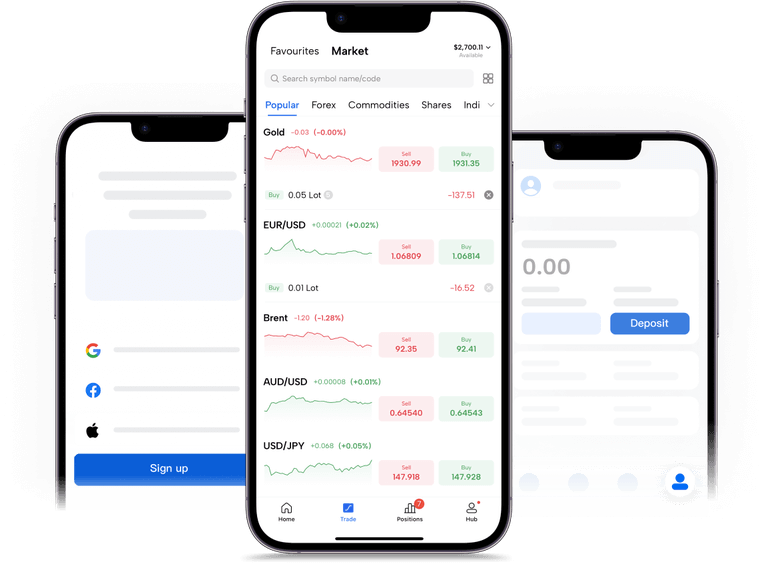
For beginners looking to trade gold CFDs, Mitrade stands out as a practical option.
Mitrade offers:
A user-friendly platform designed for new traders
Access to gold CFDs linked to global gold prices
Competitive spreads and transparent trading conditions
Educational resources to help beginners understand how gold trading works
For Australians who want to trade gold online without owning physical bullion, Mitrade provides a straightforward entry into gold CFD trading.

Trade XAU/USD with Tight Spreads
Physical Gold vs Gold CFDs: Side-by-Side Comparison
Which Is the Best Place to Buy Gold in Australia for You?
Best Option for Long-Term Investors
If your goal is:
Wealth preservation
Inflation protection
Holding gold for years
Physical gold purchased from reputable Australian dealers may be the better choice.
Best Option for Active Traders and Beginners
If your goal is:
Trading gold price movements
Lower initial investment
Flexibility and liquidity
Gold CFDs, especially via platforms like Mitrade, may be more suitable.
Can You Combine Both?
Many experienced Australian investors do exactly that:
Physical gold for long-term stability
Gold CFDs for tactical trading and short-term opportunities
“Trade gold CFDs with an ASIC-regulated broker. Fast AUD funding via PayID. ”
Key Factors Should Consider Before Buying Gold
Before deciding where to buy gold in Australia, consider:
Your investment horizon
Risk tolerance
Capital availability
Understanding of leverage and volatility
Gold is a powerful asset—but how you access it matters.
Final Verdict: Physical Gold or Gold CFDs — Which Is Better in 2026?
There is no single “best” way to buy gold in Australia.
Physical gold suits investors focused on ownership and long-term value
Gold CFDs suit traders seeking flexibility and market access
The best place to buy gold in Australia is ultimately the one that aligns with your financial goals, experience level, and risk profile.


1. Is gold a good investment in Australia in 2026?
Gold remains relevant as a hedge and trading instrument, especially during uncertain economic conditions.
2. Can beginners trade gold CFDs?
Yes, but beginners should start small and use platforms that provide educational support.
3. Do I need to store physical gold myself?
Not necessarily. Many Australian providers offer secure storage solutions.
Disclaimer: The content presented above, whether from a third party or not, is considered as general advice only. CFD trading involves significant risk of loss. Past performance does not guarantee future results. This article serves informational purposes only and does not constitute financial advice. Consider your risk tolerance before trading.


