




Korea’s AI trade is surging again — can chip stocks extend the rebound?
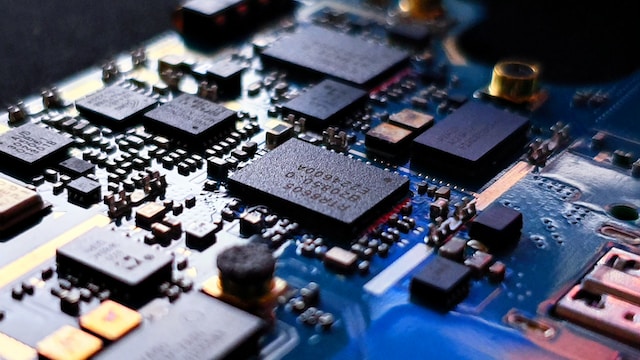
South Korea’s KOSPI has moved back into bull-market territory as a renewed rally in AI-linked chipmakers reverses part of July’s historic sell-off.
On Thursday, the KOSPI jumped 4.22% to 6,856.54, taking its recovery from the late-July low to about 23%. Samsung Electronics rose 5.09%, SK Hynix gained 7.58%, and LG Innotek added 4.47%, as investors responded to softer US inflation data and fresh evidence that global AI infrastructure spending remains intact.
The rebound is still fragile. The KOSPI remains well below its late-June peak after falling 22% in July, while the recovery depends heavily on the same question that drove the earlier rout: can AI spending keep supporting demand for advanced chips and memory at today’s elevated expectations?
For Australian traders, Korea is becoming an important real-time signal for the wider AI trade. Samsung and SK Hynix sit at the centre of the global memory supply chain, making their share-price moves relevant for US-listed names such as Nvidia, Micron and TSMC.
Korea’s rebound is being driven by the AI memory trade
The KOSPI is not recovering because every part of the Korean market has suddenly strengthened. Chipmakers are doing most of the work.
Contracts for Difference (CFDs) allow traders to take a view on selected global share-price movements without buying the underlying stock. A long position may suit a view that the renewed AI rebound will lift companies exposed to data-centre demand, while a short position may suit a view that the recovery is moving ahead of earnings and memory-market fundamentals.
Korea’s rally is a sign that investors are again testing whether the July correction created an opportunity in the AI supply chain.
“Trade global AI stock CFDs with Mitrade. Fast AUD funding via PayID. ”
Why Samsung and SK Hynix matter beyond South Korea
The rebound matters because Samsung and SK Hynix are not simply local technology names. Their memory products are critical inputs in the global AI buildout.
AI servers need far more high-performance memory than conventional computing systems. HBM helps processors move large volumes of data quickly, which makes it central to advanced AI workloads. SK Hynix has become one of the market’s most important HBM suppliers, while Samsung is working to expand its position in advanced memory and regain momentum across its semiconductor operations.
That creates a close connection between Korean chipmaker sentiment and the outlook for companies elsewhere in the chain.
Nvidia: Demand for Nvidia’s AI processors depends partly on the availability and cost of advanced HBM memory.
Micron: The US memory producer is exposed to the same improving demand expectations, but its share price will still depend on its own production, pricing and margin outlook.
TSMC: Taiwan Semiconductor Manufacturing sits further upstream in advanced chip production and remains sensitive to orders from Nvidia, AMD and other AI-chip designers.
ASML: The Dutch lithography supplier provides equipment used to manufacture leading-edge chips, making it a longer-cycle read-through on whether semiconductor capital expenditure remains strong.
Japanese component suppliers: Kioxia, Murata and TDK can react when investors believe AI demand is broadening from processors into storage, components and supporting infrastructure.
Korea’s move therefore gives traders a clearer indication of how the market is pricing the memory side of the AI story. But it does not remove the differences between companies. A memory-stock rally can coincide with weaker processor guidance, slower server demand or a valuation reset in another part of the chain.
The July rout has changed what investors need to see
The KOSPI’s recovery has been unusually fast because July’s sell-off was unusually severe.
The index fell 22% during the month, its worst decline since the global financial crisis. Trading halts became common as intraday moves of more than 5% hit a market heavily influenced by retail participation, margin activity and large semiconductor weightings.
Regulators have since tightened requirements around single-stock leveraged ETFs, including higher minimum cash deposits and mock-trading requirements. Retail margin borrowing has also eased, helping reduce the forced selling that amplified the earlier decline.
That may make the current rebound more orderly, but it also raises the bar for the next move. Investors now need evidence that the recovery is being supported by demand and earnings, rather than simply by lower leverage and a relief rally after an oversold market.
The key test is whether major AI buyers continue to spend at the pace the market expects. Microsoft, Amazon, Alphabet and Meta have all committed substantial sums to AI infrastructure, but investors are increasingly looking for signs that this expenditure is translating into cloud revenue, AI-product demand and returns on capital.
AI optimism is back, but expectations remain high
Softer US inflation gave technology shares an immediate lift by easing concern that interest rates could rise further. That matters most for growth stocks, where a larger share of expected value sits in future earnings.
But rates are only one side of the Korean recovery. The bigger issue is whether AI demand can continue to exceed already high expectations.
Samsung and SK Hynix may be supported by stronger shareholder-return expectations, including the prospect of improved payout plans. Yet their longer-term direction will remain tied to memory pricing, HBM supply, customer orders and the speed of data-centre investment.
For global AI stocks, the same divide is becoming more visible:
A company can report strong revenue growth but still fall if management’s outlook does not justify its valuation.
AI capital expenditure can support semiconductor demand, while also raising questions about whether hyperscalers are spending too aggressively.
A strong HBM or memory update may help sentiment towards the supply chain, but it does not guarantee a positive reaction for every AI-linked stock.
China remains a competitive and policy risk, particularly in areas where lower-cost domestic alternatives could affect expectations for Korean memory suppliers.
The rebound has restored confidence. It has not settled the debate over how much future AI growth is already reflected in share prices.
What could drive Korea’s AI trade next?
The KOSPI’s recovery will likely remain highly sensitive to a small number of technology and macro catalysts.
Samsung and SK Hynix shareholder-return plans: Stronger dividend or buyback announcements could support the near-term recovery, particularly after July’s volatility.
HBM demand and supply updates: Signs that AI customers are increasing orders, or that supply is tightening, would support the memory trade. Evidence of slower demand or rising inventory could have the opposite effect.
US hyperscaler capital expenditure: Further spending commitments from Microsoft, Amazon, Alphabet and Meta would reinforce the argument that AI infrastructure demand remains broad-based.
Nvidia and other AI-chip results: Demand commentary from major processor designers can quickly affect expectations for memory suppliers, foundries and networking companies.
US inflation and Fed expectations: Another shift towards higher rates could pressure technology valuations even if semiconductor demand remains strong.
Foreign flows into Korean equities: The rally has followed a period of sharp volatility. Sustained foreign buying would strengthen the recovery, while renewed outflows could expose its fragility.
The KOSPI has recovered enough to leave bear-market territory, but it remains significantly below its June peak. That gap shows both the scale of July’s damage and how much confirmation the AI trade still needs.
How Mitrade helps traders follow the AI supply-chain rebound
The Korean market move can unfold quickly, particularly when US inflation data, Big Tech earnings or semiconductor guidance changes the outlook overnight.
Mitrade allows Australian traders to focus on selected global AI shares that are directly exposed to the same spending cycle, rather than treating Korea’s index recovery as an isolated regional event.
Long and short CFD positions: Traders can take a long view if they expect AI spending to support Nvidia, Micron, TSMC, or other selected technology stocks, or a short view if they expect a rebound to lose momentum.
Stop-loss and take-profit orders: These tools can help define an exit level before earnings, inflation data, or chip-demand updates create sharp price moves.
Pending orders around key levels: A pending order can help traders prepare for a breakout or reversal after a major semiconductor result, rather than having to chase the initial move.
Real-time charts and mobile access: Korean trading can provide an early read on AI sentiment before US markets open, while US earnings and macro data can reset that view later in the session.
AUD account funding: Traders can manage margin and profit-and-loss in Australian dollars while following selected global shares.
CFDs are leveraged products. Leverage can magnify gains, but it can also magnify losses, particularly when a single earnings update or AI-spending announcement changes expectations quickly.
Start trading global AI stocks in three simple steps
Korea’s rebound has put the AI trade back in focus, but the next move will depend on whether semiconductor demand and hyperscaler spending can continue to meet elevated expectations. Open your Mitrade account today and position for the next major AI-market catalyst.
CFD Risk Disclosure — read before you trade
74% of retail investor accounts lose money when trading CFDs with this provider. You should consider whether you understand how CFDs work and whether you can afford the high risk of losing your money.
As an Australian retail client you are protected by ASIC product intervention measures: leverage is capped (e.g. 30:1 major FX, 20:1 indices/gold, 2:1 crypto) and your account has negative balance protection so you cannot lose more than your deposited funds.
You might be interested in…
1. Why are Samsung and SK Hynix important to the AI trade?
Samsung and SK Hynix are major memory-chip suppliers, including in high-bandwidth memory used in advanced AI servers. Their results, order trends, and production plans can influence market expectations for the wider data-centre supply chain.
2. Does a rising KOSPI mean US AI stocks will also rise?
Not necessarily. Korea’s index is heavily influenced by Samsung and SK Hynix, while US AI stocks have different earnings, valuation, and competitive risks. The KOSPI can provide a sentiment signal, but individual US shares will still move on their own results and guidance.
3. Why can softer US inflation lift Korean chip stocks?
Lower inflation can reduce expectations for higher US interest rates. That tends to support technology valuations and can improve risk appetite across global growth shares, including Korean semiconductor companies.
4. What could reverse the Korean AI rebound?
Weaker memory demand, disappointing HBM guidance, a reduction in Big Tech capital-expenditure plans, renewed inflation pressure or another pullback in global technology stocks could all pressure the recovery.
Disclaimer: The content presented above, whether from a third party or not, is considered as general advice only. CFD trading involves significant risk of loss. Past performance does not guarantee future results. This article serves informational purposes only and does not constitute financial advice. Consider your risk tolerance before trading.


