




Stop Loss vs Trailing Stop Loss: Understanding Essential Risk Management Tools
What Is a Stop Loss Order?
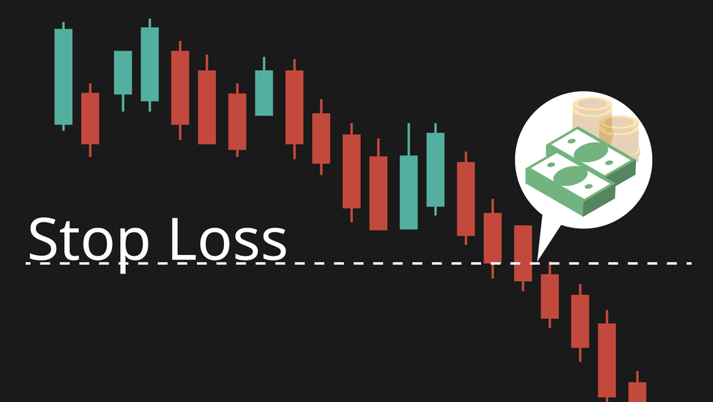
A stop loss is a predefined instruction to automatically close a trading position when the market price reaches a specific level. This tool is designed to assist traders limit potential losses by exiting a trade when the market moves unfavourably.
For example, a trader who buys gold at $3,300 per ounce and sets a stop loss at $3,280 would have the position automatically closed if the price falls to $3,280 (if no abnormal market conditions occur), capping the loss at $20 per ounce.
This type of order remains fixed unless it is manually adjusted. While it is straightforward to set up, a standard stop loss does not allow traders to lock in gains if the market temporarily moves in their favour before reversing.
How Trailing Stop Losses Work Differently
A trailing stop loss adjusts dynamically based on favourable market movement. Instead of remaining at a fixed level, it trails the market price by a specified amount, updating the exit point as the price moves in a favourable direction.
For instance, if a trader buys gold at $3,300 with a $20 trailing stop, the initial exit point is $3,280. If the market price rises to $3,350, the trailing stop moves up to $3,330, maintaining a $20 gap and locking in $30 in potential gains. However, if the price then falls to $3,330, the position is closed.
Trailing stop losses offer downside protection while allowing gains to accumulate as long as the price trend continues in the trader’s favour.

Key Differences Between These Risk Management Tools
Feature | Stop Loss | Trailing Stop Loss |
Price Adjustment | Fixed unless manually changed | Automatically adjusts with favourable price movements |
Profit Protection | Only limits losses | Allows profit capture while protecting downside |
Risk Buffer | Fixed from entry point | Fixed from highest/lowest price reached |
Potential Usage | Range-bound markets, specific risk limits | Trending markets, potential profit protection |
Setup Complexity | Basic | Requires selecting trailing distance |
Application of Each Type of Stop Order
Standard Stop Loss Orders:
· The trader wants a clear maximum loss defined before entering the trade
· The market is relatively stable or range-bound
· The trade has a specific profit target, and early exits are not desirable
Trailing Stop Loss Orders:
· Trending markets where maximising gains is important
· Volatile conditions where the price may swing significantly
· Scenarios where traders may not be able to monitor positions closely
Both tools play a key role in a solid risk management strategy for CFD traders. Knowing the unique benefits of each tool allows you to choose the right one based on market conditions and your trading goals.
Consider opening an account with Mitrade today to begin trading with professional-grade risk management tools, including standard and trailing stop orders.
Disclaimer: The content presented above, whether from a third party or not, is considered as general advice only. CFD trading involves significant risk of loss. Past performance does not guarantee future results. This article serves informational purposes only and does not constitute financial advice. Consider your risk tolerance before trading.


