




Trump Rescinds NATO Tariffs After Greenland Framework Deal; Aussie Dollar Surges on Jobs Data

Key Points Summary:
President Trump withdrew threats of tariffs on European allies after reaching a "framework deal" with NATO regarding Greenland.
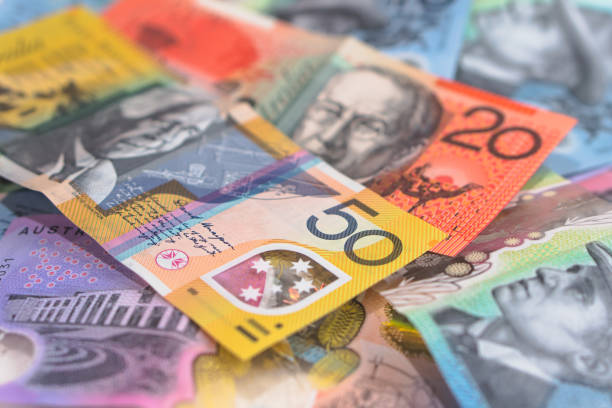
The Australian dollar surged to a 15-month high following a "red-hot" December jobs report that heightened bets for an RBA rate hike.
Safe-haven assets including the Swiss franc and gold retreated as geopolitical tail risks diminished, while the yen remained near record lows.
The U.S. dollar maintained its strength on Thursday after President Donald Trump scrapped planned tariffs against European NATO allies, easing fears of a systemic trade war and sparking a retreat in safe-haven assets.
The pivot followed a meeting at the World Economic Forum between Trump and NATO Secretary General Mark Rutte. While the "framework deal" regarding the U.S. ambition to control Greenland lacks specific detail, the removal of the February 1 tariff deadline provided a significant reprieve for risk sentiment. Consequently, the Swiss franc fell from its recent three-week peak, and gold prices eased back from all-time highs as the "geopolitical premium" faded.
"Markets have largely removed the tail risk of a U.S. confrontation with its NATO partners," noted Chris Weston, head of research at Pepperstone. He observed that traders have moved to cover USD shorts and scale back long volatility hedges in response to the de-escalation.
Aussie Gains on Labor Market Strength
In the currency markets, the Australian dollar emerged as a primary outperformer, climbing 0.4% to $0.6791. The rally was fueled by December data showing an unexpected drop in the unemployment rate to 4.1%, a seven-month low. Total employment surged by 65,200—more than double the consensus forecast.
The "red-hot" labor data has shifted the calculus for the Reserve Bank of Australia (RBA) ahead of its February 3 policy meeting. Analysts suggested the tightness of the market, characterized by strong full-time job gains, dramatically increases the probability of a rate hike to combat persistent capacity pressures.
Yen Struggles Amid Political Uncertainty
Conversely, the Japanese yen remains the laggard of the G10 space. It hovered near 184.83 per euro, staying within range of last week's record low, and traded at 158.31 against the dollar. The currency is under dual pressure from Prime Minister Takaichi’s call for a snap election and a pledge for looser fiscal policy.
While the Bank of Japan (BoJ) began its two-day policy meeting on Thursday, investors expect the overnight call rate to remain at 0.75%. Following last month’s hike, the central bank is widely expected to pause to assess the impact on consumption and the 10-year government bond yield, which recently touched a 27-year high of 2.38%.
| Currency Pair | Current Price | Change (Overnight) |
| EUR/USD | 1.0855 | -0.12% |
| USD/CHF | 0.8805 | +0.70% |
| AUD/USD | 0.6791 | +0.40% |
| USD/JPY | 158.31 | Unchanged |
The above content was completed with the assistance of AI and has been reviewed by an editor.


