




Where Is the Best Place to Buy Gold in Australia? A Beginner’s Guide

In 2026, gold has once again captured global attention.
As of January 27, 2026, gold prices have surged to record highs above US$5,000 per ounce, driven by rising geopolitical tensions, economic uncertainty, and growing demand for safe-haven assets. After delivering one of its strongest performances in decades in 2025, gold has entered the new year with strong momentum and heightened volatility.
For many investors—especially beginners—this raises a crucial question:
Should I trade gold in 2026, or is it already too late?
On one hand, central bank buying remains strong, inflation risks persist, and expectations of future interest rate cuts continue to support gold prices. On the other hand, trading at historic highs means sharper price swings and higher short-term risk.
This guide will help you understand:
Why gold remains highly relevant in 2026
What risks beginners should be aware of
And where Australians can buy or trade gold safely, whether through ETFs, physical gold, or CFDs
Before choosing the best place to buy gold in Australia, it’s essential to understand whether trading gold in 2026 still makes sense—and how to approach it wisely.
Should I Trade Gold in 2026?
Gold markets have entered an extraordinary phase. Spot gold prices recently surged above US$5,000 per ounce, setting fresh record highs as investors seek shelter from geopolitical tensions, economic uncertainty and currency volatility.
This marked rally follows an extraordinary 2025, where gold delivered one of its strongest annual performances in decades. In early 2026, the momentum has continued, with prices trading near all-time highs and strong demand from both institutional and retail investors.
Gold real-time price chart:
What the Data and Forecasts Suggest:
Major financial institutions and market forecasters broadly expect gold to remain in a bullish structural environment through 2026—albeit with volatility:
Gold prices are widely forecast to average in the US$4,000–US$5,000+ range by the end of 2026, supported by sustained central bank purchases, elevated risk aversion and expectations of interest rate cuts.
Some models and analysts even suggest that gold could approach or exceed US$5,000 per ounce this year, with upside scenarios driven by macro uncertainty and safe-haven demand.
Geopolitical risk, Fed policy expectations and currency dynamics remain key drivers for gold demand and price action in 2026.
What This Means for Traders:
For Australian investors wondering “Should I trade gold in 2026?”, here are some considerations:
Bullish Signals
Gold is exhibiting strong safe-haven demand amid global uncertainty and currency concerns.
Long-term institutional forecasts remain positive, with multiple banks and strategists raising their price outlooks.
Price action above historical resistance levels suggests continued investor interest.
Risks to Keep in Mind
Volatility remains elevated, and periods of pullback or consolidation are normal in strong trends.
Economic data shifts or sudden policy changes (e.g. unexpected rate decisions) can trigger short-term price corrections.
Trading, especially in leveraged products like CFDs, carries risk and may not suit all investors.
Gold’s recent price action and broad institutional forecasts suggest continued relevance in diversified portfolios and as a trading instrument. However, as with all markets, no outcome is guaranteed, and sound risk management should be a central part of any gold trading plan.
“Trade gold CFDs with an ASIC-regulated broker. Fast AUD funding via PayID. ”
What Does “Buying Gold” Really Mean?
Before choosing where to buy gold in Australia, it’s important to understand what you are actually buying. In practice, there are three main ways Australians invest in gold.
1. Physical Gold
You buy gold bars or coins and either store them yourself or pay for professional storage. You own the metal directly.
2. Gold ETFs
You buy units of an exchange-traded fund listed on the ASX. The ETF tracks the gold price and is backed by physical gold held by a custodian.
3. Gold CFDs or Online Trading Products
You do not own gold itself. Instead, you trade the price movement of gold, usually through an online trading platform.
Each option involves different costs, risks and levels of complexity—which is why the “best place” depends on how you want to invest.
Physical Gold: Is It the Best Place for Beginners?
Physical gold is often the first thing beginners think of. Gold bars and coins feel tangible, permanent and familiar.
How Australians Buy Physical Gold
Most Australians buy physical gold through:
Government-backed mints
Specialist bullion dealers
Online bullion platforms with delivery options
The gold can be delivered to your home or stored in a secure vault for an annual fee.
Pros and Cons for Beginners
Advantages:
✅ Direct ownership of gold
✅ No reliance on financial markets
✅ Long history as a store of value
Limitations:
❌ Higher upfront cost
❌ Storage and insurance considerations
❌ Buying and selling is slower
❌ Not ideal for small or frequent investments
For beginners, physical gold often makes sense as a long-term holding, but it is rarely the most flexible or cost-efficient way to start.
Gold ETFs: A Simple Entry for Long-Term Investors
Gold ETFs have become increasingly popular among Australian investors, especially those already familiar with shares or managed funds.
What Is a Gold ETF?
A gold ETF trades on the Australian Securities Exchange (ASX) and mirrors the price of gold. Each unit represents a portion of physical gold held by the fund.
You can buy and sell gold ETFs using a standard brokerage account, just like shares.
Is a Gold ETF a Good Place to Start?
For beginners, gold ETFs offer:
Easy access through regulated exchanges
No need for physical storage
Transparent pricing
However, ETFs are better suited to long-term allocation rather than active trading. You are also exposed to management fees and market-hour liquidity.
Gold ETFs can be a practical choice if you want gold exposure as part of a diversified investment portfolio.
Gold CFDs: Buying Gold Without Owning It
Gold CFDs are one of the most accessible ways for beginners to gain exposure to gold prices in Australia.
What Are Gold CFDs?
A gold CFD (Contract for Difference) allows you to trade the price movement of gold without owning the physical metal. You can profit from both rising and falling prices, depending on market direction.
Is This the Best Place to Buy Gold for Beginners?
Gold CFDs appeal to beginners because:
Entry costs are relatively low
No storage or insurance is required
Trades can be opened and closed quickly
Platforms often provide educational tools
That said, CFDs involve market risk and require basic understanding of price movements and risk management. They are best approached with discipline and realistic expectations.
“Trade gold CFDs with an ASIC-regulated broker. Fast AUD funding via PayID. ”
Comparing Your First Gold Investment Options
To make the differences clearer, here’s a simple comparison of the main ways Australians buy gold.
This table highlights why many beginners choose ETFs or CFDs as their first exposure before considering physical gold later.
So, Where Is the Best Place to Buy Gold in Australia for Beginners?
1. Physical Gold Platform — Perth Mint: Government-Backed Physical Ownership
For those who want to own gold outright, including tangible gold bars or coins, the Perth Mint is widely regarded as Australia’s premier provider.
Backed by the Government of Western Australia, Perth Mint offers a range of gold products and certified storage options.
Key Features of Buying Physical Gold Through Perth Mint
How It Works:
Choose your product — gold bars or coins in a range of weights
Decide on delivery or storage — opt for secure vaulting or home delivery
Confirm pricing and premiums over spot gold price
Store or insure depending on personal preference
Why Perth Mint Is Beginner-Friendly
Trusted certification backed by a government institution
Clear pricing and provenance
Storage solutions simplify security concerns
Who it’s best for:
Beginners who want physical possession of gold, value long-term wealth preservation, and are comfortable with storage logistics.
2. ETF Platform — CommSec: Easy Access to ASX-Listed Gold ETFs
If you want exposure to the gold price without owning physical gold and prefer to invest via a regulated exchange, CommSec is one of the most accessible and trusted options in Australia.
CommSec is the online brokerage arm of Commonwealth Bank of Australia. It allows investors to buy and sell gold exchange-traded funds (ETFs) listed on the Australian Securities Exchange (ASX), such as GOLD, PMGOLD and QAU.
Why CommSec Works Well for Beginners
What You Get with CommSec
Direct exposure to gold price movements without physical handling
A familiar trading interface if you already invest in shares
Ability to include gold ETFs in superannuation or diversified portfolios
Full trading history and reporting for tax purposes
Who it’s best for:
Beginners who want a straightforward, regulated way to hold gold exposure through a familiar stock-market style investment.
3. CFD Platform — Mitrade: Low-Entry Gold Exposure Through Online Trading
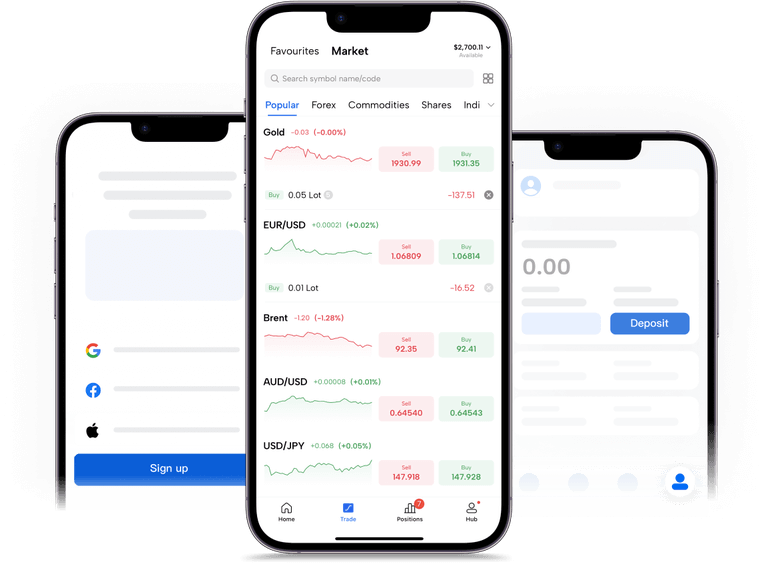
If you’re a beginner looking for low upfront cost, high liquidity and flexible access to gold price movements, Mitrade offers one of the most user-friendly platforms for trading gold CFDs in Australia.
Mitrade is an ASIC-regulated online trading platform that allows you to speculate on gold prices without owning the metal itself. Instead of buying physical gold, you trade contracts for difference (CFDs) that reflect gold’s market price.
Why Mitrade Is Ideal for New Gold Traders
What Makes Mitrade Different
Low barrier to entry: No need to buy full gold bars or pay vault fees
Flexible trading: Open and close positions as gold prices move
Educational content: Beginner-oriented tools and market insights
No physical storage: Focus on price exposure, not logistics
How It Works for Beginners
Open an ASIC-regulated account with Mitrade
Choose a gold CFD product (e.g. XAU/USD)
Determine position size based on your risk tolerance
Monitor gold price movements and close positions when appropriate
Who it’s best for:
Beginners interested in learning how gold markets move, looking for a flexible, low-cost way to gain price exposure without owning physical assets.
Quick Comparison — Which Platform Suits You?
There is no single answer that fits everyone. Instead, the best place depends on your goals.
If your priority is long-term wealth preservation, physical gold or gold ETFs may suit you.
If you want a simple, flexible way to start with a small amount, gold CFDs are often more accessible.
If you already invest in shares, gold ETFs integrate easily into your existing portfolio.
For beginners, the smartest approach is often to start simple, understand how gold behaves, and adjust your strategy as your experience grows.

Trade XAU/USD with Tight Spreads
Common Beginner Mistakes When Buying Gold in Australia
Many first-time investors make similar mistakes:
Treating gold as a short-term profit tool
Ignoring transaction costs and fees
Investing without understanding the product structure
Putting too much capital into gold too early
Avoiding these errors is just as important as choosing the right place to buy.
How to Choose a Safe Platform to Buy Gold in Australia
Regardless of the method you choose, always check:
ASIC regulation
Transparent pricing and clear fee structures
Educational resources for beginners
Straightforward withdrawal and selling processes
A regulated, transparent platform is essential for building long-term confidence.
Start Simple, Then Grow
For beginners, the best place to buy gold in Australia is not about finding a “perfect” option—it’s about choosing the most understandable and manageable starting point.
Gold is not a get-rich-quick asset. It works best as part of a broader strategy, learned gradually and used deliberately.
Start small, stay informed, and let experience guide your next steps.


You might be interested in…
1. Is gold a good investment for beginners in Australia?
Gold can be a useful diversification tool, especially during uncertain economic periods, but it should not be your only investment.
2. How much money do I need to start buying gold?
This depends on the method. Gold CFDs and ETFs typically allow much smaller starting amounts than physical gold.
3. Can I buy gold online safely in Australia?
Yes, provided you use ASIC-regulated platforms or well-established Australian providers.
Disclaimer: The content presented above, whether from a third party or not, is considered as general advice only. CFD trading involves significant risk of loss. Past performance does not guarantee future results. This article serves informational purposes only and does not constitute financial advice. Consider your risk tolerance before trading.


