




Gold Prices Soar to Record High Amid Disappointing U.S. Jobs Data and Geopolitical Tensions

Key Points Summary:
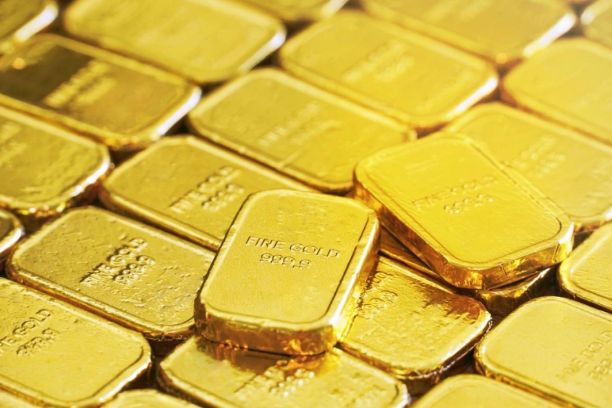
Gold prices surged 2% to a record high of $4,601.17 an ounce amid expectations of Federal Reserve interest rate cuts, following disappointing U.S. payroll data.
U.S. jobs growth slowed significantly in December, with nonfarm payrolls rising by just 50,000, lower than anticipated, while the unemployment rate dropped to 4.4%.
Geopolitical tensions in the Middle East and ongoing U.S.-Venezuela conflicts have bolstered safe-haven demand for gold, prompting traders to anticipate further rate cuts in 2026.
Gold prices soared 2% to an unprecedented level during Asian trading on Monday, buoyed by disappointing U.S. payroll data that strengthened expectations for interest rate cuts from the Federal Reserve this year. Spot gold peaked at $4,601.17 per ounce before settling at $4,579.01/oz by 20:19 ET (01:19 GMT), while U.S. gold futures climbed to $4,612.04/oz, marking a 2.5% increase.
This rise in gold prices follows a robust week where the metal gained over 4%, primarily driven by heightened haven demand amid escalating tensions between the U.S. and Venezuela. The latest U.S. jobs report, released last Friday, revealed a sharp slowdown in employment growth during December. Nonfarm payrolls increased by just 50,000—a significant miss compared to the expected 66,000—while the unemployment rate dipped to 4.4%, slightly better than forecasts of 4.5%.
Experts from ING commented on the latest data, noting that while the decline in unemployment and decent wage growth offer some relief, it is clear the job market has "cooled" considerably into 2025. They suggested that the prevailing "modestly restrictive" monetary policy could justify further gradual interest rate cuts.
Market speculation currently reflects traders’ expectations of at least two rate cuts in 2026. Such cuts are seen as beneficial for gold, as lower interest rates reduce the opportunity cost of holding the asset and tend to weaken the U.S. dollar.
In addition to the economic factors, increasing geopolitical tensions have further fueled gold's ascent. Notably, unrest in Iran has escalated, with over 500 fatalities reported amid ongoing anti-government protests. Tehran has threatened to retaliate against U.S. military installations if President Donald Trump acts on threats to intervene on behalf of the demonstrators, igniting fears of a wider regional conflict.
Meanwhile, relations between the U.S. and Venezuela remain strained, with heightened sanctions and maritime enforcement concerning Venezuelan oil shipments exacerbating the situation. Investors are now keenly awaiting upcoming U.S. inflation data and comments from Federal Reserve officials for insights on the timing and trajectory of potential rate cuts.
The above content was completed with the assistance of AI and has been reviewed by an editor.


