




Australian consumers are pulling back — which big retailers are most exposed?
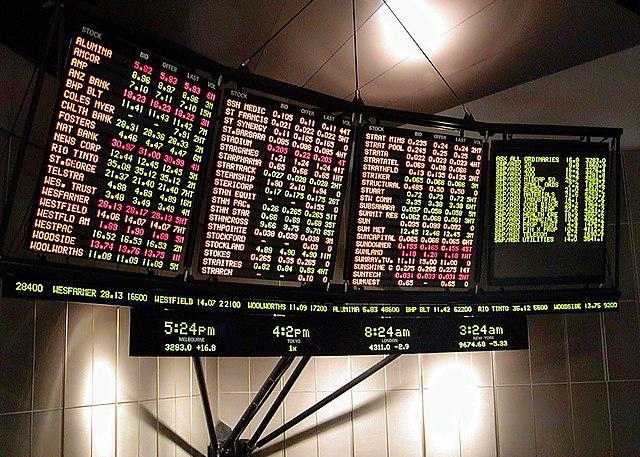
Australian households have taken another hit from higher petrol prices, renewed interest-rate fears and falling housing confidence.
The Westpac-Melbourne Institute Consumer Sentiment Index fell 5.2% in September to 84.4, reversing almost all of August’s improvement and leaving sentiment nearly 12% below a year ago. Expectations for family finances dropped 9.2%, while confidence among mortgage holders fell 13%.
The weakness is beginning to show where retailers care most. Westpac's measure of whether households think it is a good time to buy a major item also declined sharply, suggesting consumers are becoming more reluctant to commit to furniture, electronics, appliances and other large purchases.
That puts a group of major ASX retailers under renewed scrutiny only weeks after they reported full-year results.
Wesfarmers, JB Hi-Fi and Harvey Norman are directly exposed to discretionary household spending. Woolworths and Coles sell necessities, but still compete for the same stretched household budgets through pricing, promotions and higher-margin discretionary categories.
The question is no longer whether Australians are under pressure. It is which retailers are best positioned if households become even more selective about where their money goes.
Petrol, mortgages and housing are hitting households at once
September's fall in confidence was unusually broad. Average petrol prices have returned above A$2 a litre, while households are again considering the possibility of another Reserve Bank rate increase after core inflation exceeded expectations in July. Nearly two-thirds of consumers surveyed by Westpac now expect mortgage rates to rise.
The housing downturn adds another pressure point. Mortgage-holder sentiment fell far more sharply than sentiment among renters, which declined just 0.6% in September.
This combination is particularly relevant to retailers because higher mortgage and fuel costs consume income that might otherwise be spent elsewhere.
The latest reporting season showed households had not stopped shopping. But spending had become increasingly concentrated around value, essential purchases and major promotional events. That trend could intensify if borrowing and transport costs keep rising.
The divide between those businesses could become much more visible if consumer sentiment remains depressed.
For Australian traders, retail-sector volatility does not require owning the underlying shares outright. Contracts for Difference (CFDs) can provide exposure to available ASX-listed retailers, with the flexibility to take a long position if consumer conditions improve or a short position if weaker spending starts to pressure earnings.
“Follow the next move in Australian retail shares with Mitrade”
JB Hi-Fi faces the clearest test of discretionary spending
JB Hi-Fi entered the current slowdown from a position of considerable strength. The group reported record FY26 sales of A$11.06 billion, up 4.8%, while net profit increased 6% to A$489.9 million. Management said customers continued responding to its value proposition despite an uncertain retail environment.
But its post-year-end trading provided an early warning. In July, total sales at JB Hi-Fi Australia slipped 0.5% from a year earlier, while comparable sales fell 1.4%. Household confidence has subsequently deteriorated further, fuel costs have risen, and consumers are increasingly worried about another rate increase.
Electronics and appliances also contain plenty of purchases that can be postponed. A broken refrigerator needs replacing; a new television, laptop or upgraded sound system often does not.
That leaves JB Hi-Fi unusually sensitive to whether Australians continue replacing devices and appliances or start stretching replacement cycles.
Its value positioning offers some protection. Consumers trading down from premium retailers may still choose JB Hi-Fi or The Good Guys. But a broad reduction in major purchases would be harder to avoid.
Harvey Norman has more exposure to the housing slowdown
Harvey Norman faces a different problem. The company delivered a solid FY26 result, with system sales rising 3.1% to A$9.64 billion and underlying profit before tax increasing 10.9% to A$654.7 million.
Its product mix, however, makes housing conditions particularly important. Furniture, bedding, televisions and major appliances are closely associated with moving house, renovating or feeling financially secure enough to spend several thousand dollars on the home.
Falling property prices and weaker homeowner confidence can therefore hit Harvey Norman through more than mortgage repayments alone. A softer housing market can reduce turnover, renovations and the wealth effect that encourages established homeowners to spend.
Westpac's September survey found housing concerns were weighing particularly heavily on homeowners, while its index tracking whether consumers consider it a good time to make a major purchase also weakened.
Harvey Norman remains profitable and geographically diversified, but its Australian franchise network is among the clearest large-cap exposures to a prolonged reduction in household big-ticket spending.
Wesfarmers has one major advantage: Kmart
Wesfarmers is harder to classify as a straightforward discretionary retailer because its businesses reach very different consumers.
Bunnings is exposed to housing, renovation and construction. Officeworks sells technology and business products. Kmart competes heavily on low prices across clothing, homewares and general merchandise.
That last business could prove particularly important in a tougher consumer environment.
When households become more price-sensitive, demand does not necessarily disappear. Spending can shift towards cheaper products and retailers offering a stronger value proposition.
That dynamic has already helped Kmart during previous periods of household pressure.
Wesfarmers' diversification also reduces its reliance on one retail category. The company owns businesses spanning home improvement, general merchandise, health, chemicals and industrial operations. Its latest full-year results were released on 27 August, providing a fresh baseline just before September's sharp deterioration in sentiment.
Bunnings could feel the effects of weaker housing activity, while Kmart may benefit if consumers trade down.
That internal mix gives Wesfarmers more ways to absorb changing spending patterns than a specialist electronics or furniture retailer.
Woolworths and Coles are playing a different game
A consumer squeeze does not affect supermarkets in the same way. Households can postpone a sofa or television. They cannot stop buying food. That makes Woolworths and Coles considerably more defensive, although financially stretched shoppers can still change what they buy, switch brands and chase promotions more aggressively.
Coles finished FY26 with A$45.6 billion in group sales revenue, A$2.3 billion in EBIT and A$1.1 billion in net profit. Supermarket e-commerce sales grew 26.4%.
Woolworths reported its FY26 results a day later, with management highlighting improved momentum in Australian Food. The supermarkets therefore face less risk of outright demand destruction than JB Hi-Fi or Harvey Norman.
Their challenge is mix and margin. Consumers under pressure can move from branded products into private-label alternatives, reduce discretionary additions to the weekly shop and become more responsive to discounts. Heavy promotional competition can protect sales volumes while putting pressure on margins.
Woolworths also carries additional discretionary exposure through BIG W, leaving it somewhat more exposed to weakening general-merchandise spending than Coles.
Value may matter more than sector labels
The current environment may produce a less obvious retail split than simply staples good, discretionary bad.
JB Hi-Fi and Kmart both operate in discretionary categories, yet their strong value credentials can attract shoppers trading down.
Harvey Norman sells products households may delay altogether.
Coles and Woolworths benefit from essential grocery demand, but shoppers can still become far more aggressive about price.
The latest retail results already suggest consumers are becoming more selective rather than disappearing entirely. Industry analysis following reporting season found households increasingly concentrating purchases around promotions and products they considered worth paying for, with pressure particularly visible in furniture, appliances and homewares.
September's confidence data raises the possibility that this behaviour becomes more pronounced.
Retailers able to win on price may continue taking market share even if overall household confidence deteriorates. Those relying on large, deferrable purchases face a tougher test.
Another RBA hike would raise the pressure
Interest rates remain the biggest potential escalation.
The RBA has already tightened financial conditions substantially this year, and its August forecasts acknowledged that underlying inflation remained elevated and risks were skewed to the upside. Higher Middle East-related costs and stronger domestic demand were among those risks.
July's stronger-than-expected core inflation has since revived speculation about another increase.
A further hike would flow directly into variable mortgage repayments and eventually into other borrowing costs. That would leave households with less discretionary cash at precisely the time petrol prices are already increasing weekly expenses.
The effect would not be uniform.
A new rate rise would probably pose a larger challenge for Harvey Norman and JB Hi-Fi, where consumers can delay purchases. Bunnings could face weaker renovation and housing activity. Kmart could gain from increased demand for low-cost merchandise.
Coles and Woolworths would remain more defensive, but fiercer price competition could become the dominant issue.
What could change the retail outlook?
Several developments will determine whether September's confidence slump becomes a sustained spending slowdown.
Interest rates: Another RBA increase would intensify pressure on mortgage holders. Softer inflation could instead reduce fears of further tightening.
Petrol prices: Fuel has returned above A$2 a litre in many areas. A sustained decline in oil and petrol prices would return some cash to household budgets.
Housing: Further declines in house prices could weaken homeowner confidence and spending on furniture, appliances and renovation.
Christmas trading: The final months of the year will provide a much stronger test of discretionary demand than one month's sentiment survey.
Trading updates: Sales figures from JB Hi-Fi, Wesfarmers and other retailers will show whether weaker confidence is translating into actual spending behaviour.
Promotional intensity: Deep discounts can support revenue but hurt margins. Retailers may therefore report respectable sales while profitability comes under pressure.
The latest confidence numbers are an early warning rather than proof of a retail downturn.
The coming months will show whether Australians are merely feeling worse — or actually cutting spending.
Trading Australian retail shares with Mitrade
Periods of changing consumer behaviour can produce very different outcomes across individual retailers.
Mitrade's Contracts for Difference (CFDs) allow Australian traders to take long or short positions on available shares without purchasing the underlying stock outright.
A trader expecting resilient value-driven spending could take a long position on a preferred retailer, while someone expecting higher rates and weaker household demand to pressure a stock can take a short position.
Pending orders can be established before company updates, while stop-loss and take-profit orders allow risk levels to be set in advance. An AUD-denominated account also removes the need for currency conversion when trading Australian-market exposures.
Share CFDs are leveraged products. Under ASIC rules, retail leverage on individual shares is capped at 5:1, reducing the upfront margin required but magnifying losses as well as gains.
Mitrade also offers a demo account with virtual funds, allowing traders to test a strategy before committing real capital.
Start trading Australian share CFDs in three simple steps
You might be interested in…
1. Could discount retailers benefit from weaker consumer confidence?
They can. Financial pressure often encourages consumers to trade down towards lower-priced products. That can support value-focused businesses such as Kmart even when overall discretionary spending growth weakens.
2. Why do interest rates matter so much for retail shares?
Higher rates increase mortgage and other borrowing costs, reducing disposable income. The effect is usually strongest on discretionary categories such as furniture, electronics, renovations and other major purchases.
3. Can traders take a position if they expect an Australian retail share to fall?
Yes. CFDs allow traders to take short positions as well as long positions. A short position can potentially benefit from a falling share price, although losses occur if the price rises instead, and leverage magnifies both gains and losses.
Disclaimer: The content presented above, whether from a third party or not, is considered as general advice only. CFD trading involves significant risk of loss. Past performance does not guarantee future results. This article serves informational purposes only and does not constitute financial advice. Consider your risk tolerance before trading.


