




Which Magnificent Seven Stock Looks Best for Next Week? GOOGL Leads NVDA and MSFT
TradingKey - As we enter the week of August 31, the Magnificent Seven have highly diverse positions. Nvidia has altered expectations for AI infrastructure, and Alphabet, Microsoft, and Amazon have noticed a spike in demand for their cloud services. Meanwhile, Meta is beginning to monetize AI through advertising. Apple has a CEO transition and Tesla has continued dependence on the execution of autonomy, respectively. For the week of August 31, Alphabet has the strongest balance of growth and quality of earnings with an AI exposure compared to Nvidia, which is the pure AI growth leader.
1. Alphabet: Best Overall Risk-Reward
For Alphabet, AI has begun to propel several segments of its business. Revenue for the second quarter was reported at $119.8 billion, an increase of 24% year over year, with Google Services reporting revenue at $94.5 billion. Revenue for Search was reported at $63.27 billion, marking a 17% rise year over year. Revenue for Google Cloud was reported at $24.8 billion, an impressive 82% increase. Operating income increased by 30% and the operating margin stood at 34% this quarter.
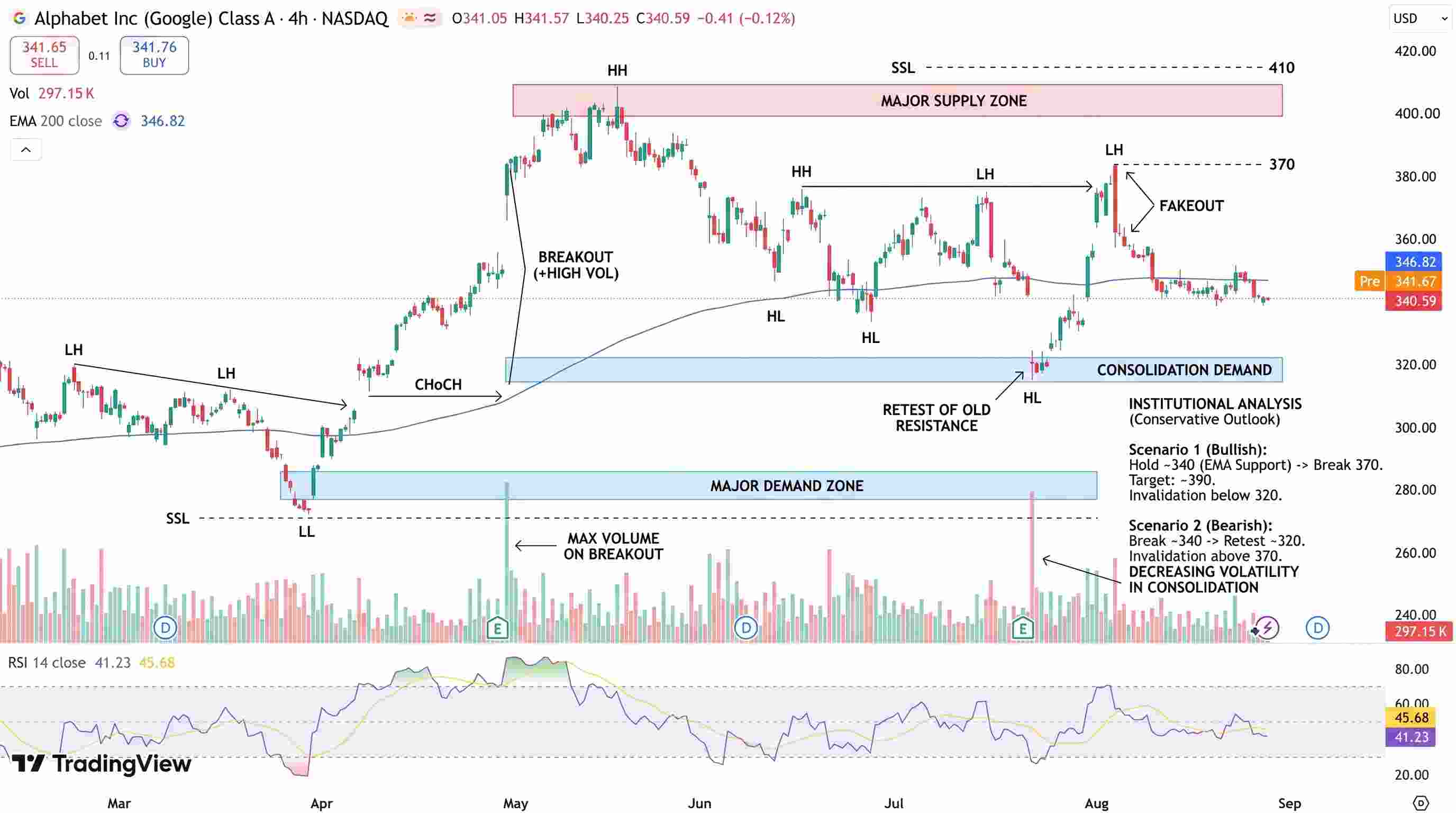
Alphabet Price Chart - Source: Tradingview
For comparison, headline EPS is a poor metric. Alphabet reported diluted EPS of $9.11, which was greatly inflated by a $98.0 billion net unrealized gain on equity securities, making operating growth the more prudent measurement.
Currently, Google monetizes AI through Cloud and Search as well as its TPU ecosystem.
Scorecard:
- Growth: Excellent.
- AI monetization: Broad and already visible.
- Main risk: Heavy capex and regulation.
- Next-week view: Best overall setup.
2. Nvidia: Strongest Growth, Highest Expectations
Nvidia maintains its position as the AI stock to watch. Revenue for the second quarter was reported at $96.2 billion and was an impressive 106% year over year, and Data Center revenue was reported as $89.0 billion, a jump of 117% over last year. Gross margin remained in the 75% range. Management guided to approximately $108 billion of Q3 revenue and is targeting 70% growth in fiscal 2028.
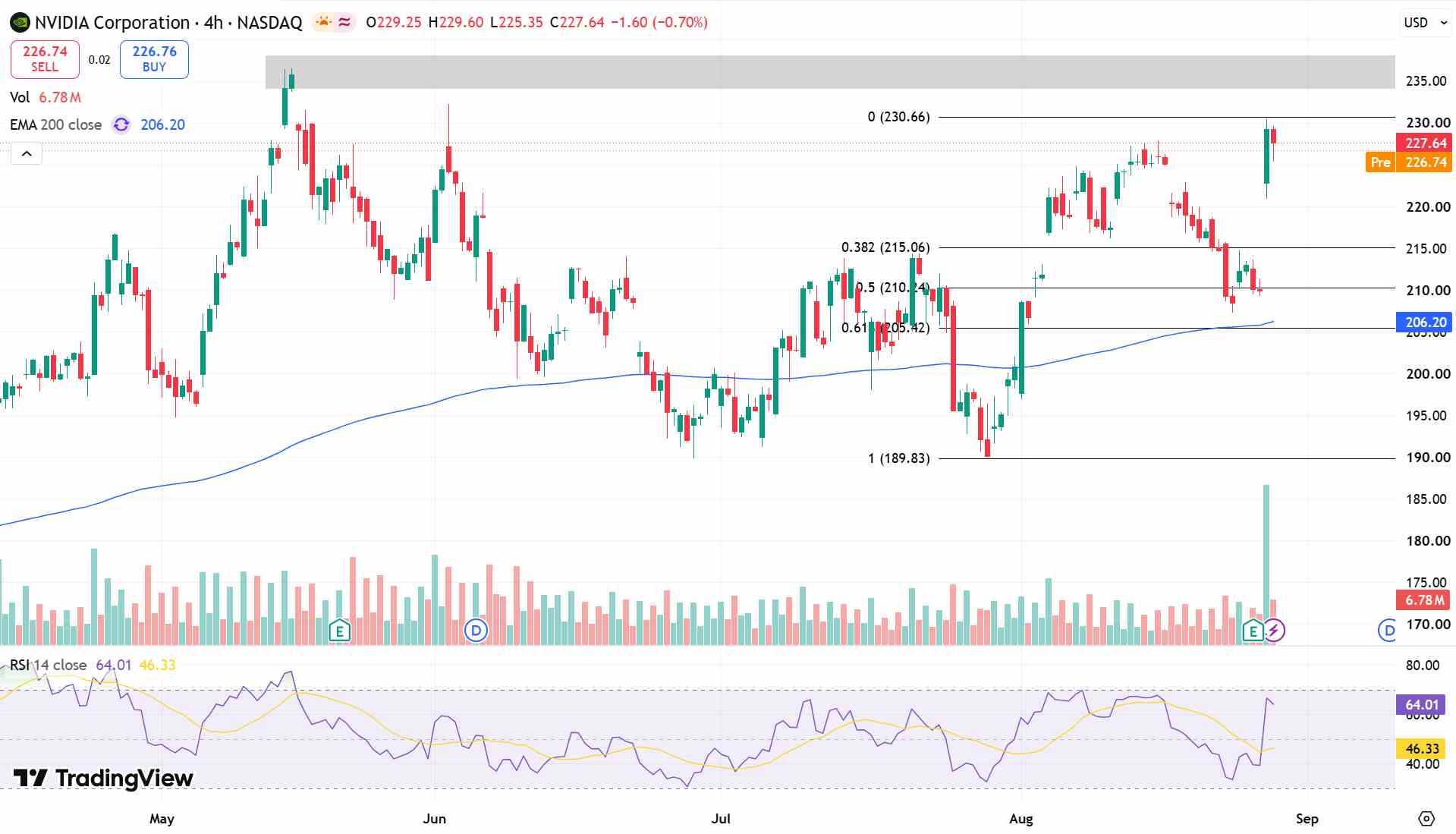
Nvidia Price Chart - Source: Tradingview
Amazon Web Services (AWS) is also planning to add another 2 million GPUs from Nvidia over the next two years, highlighting demand. Investors are likely more concerned with supply and expectations. Building complex systems, Memory shortages, and rapid growth of Nvidia in the financing of AI infrastructure provide many new variables for investors and increase the potential unknowns and risks.
The company reportedly paused some revenue-sharing agreements with smaller AI-cloud firms, and is concerned with financing issues.
Scorecard:
- Growth: Best in the group.
- AI position: Dominant.
- Main risk: Expectations and supply constraints.
- Next-week view: Strongest momentum, but less room for disappointment.
3. Microsoft: Best Enterprise AI Platform
Microsoft combines a strong position in cloud, enterprise software and services. Revenue grow by 18% to $90.0 billion in fiscal Q4, operating income by 18% to $40.6 billion and Azure achieved 43% growth. With respect to competitive advantages, Microsoft has cloud and distribution presence across Azure, Microsoft 365, GitHub, Dynamics, Copilot, and security.
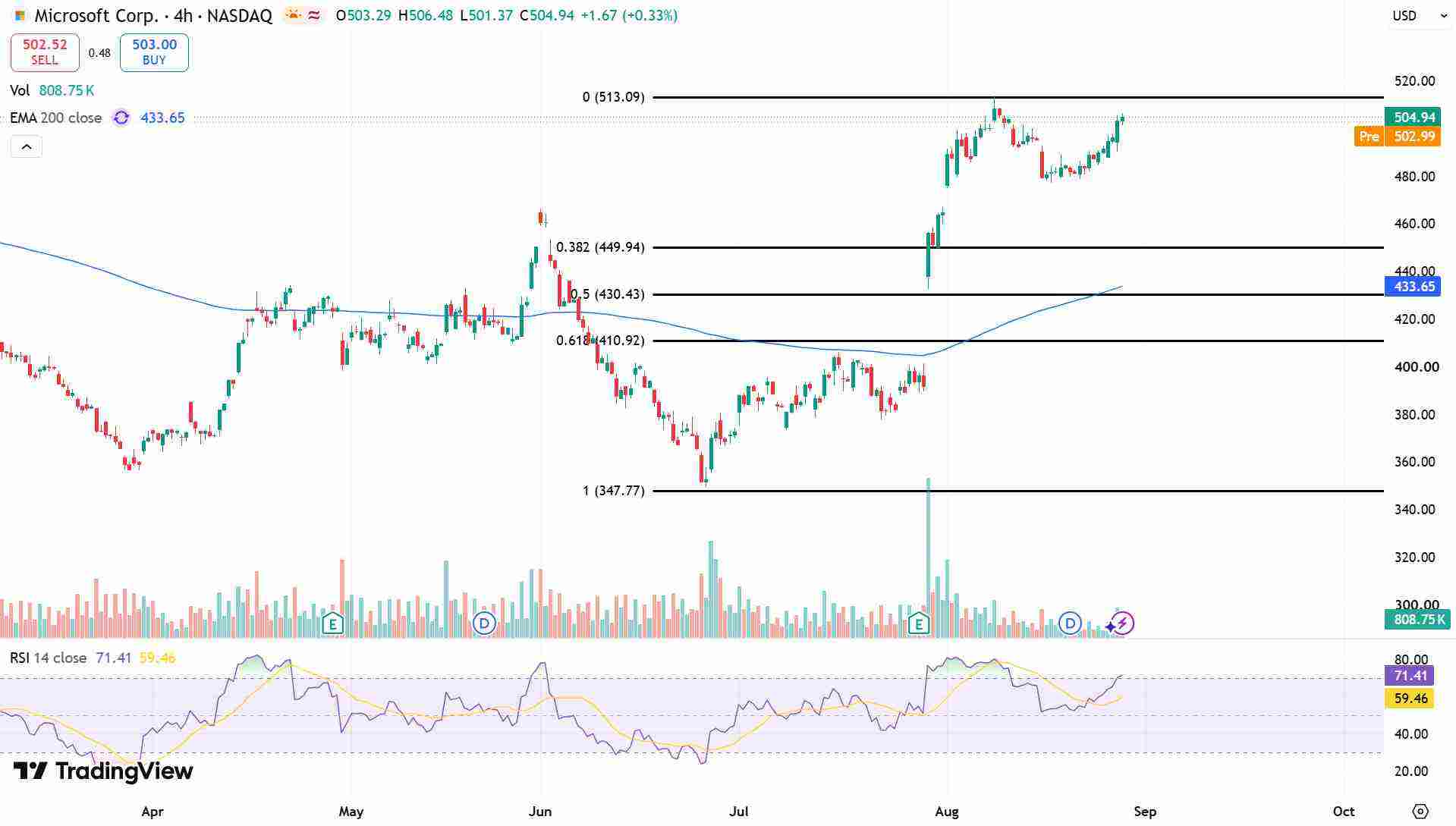
Microsoft Price Chart - Source: Tradingview
Microsoft is focused on advancing economics of AI and has reportedly planned to unveil its Maia 300 accelerator as early as September. The capital intensity remains a primary concern. Investors increasingly expect AI revenue to quickly facilitate the levels of spending on data centers, chips and power.
Scorecard:
- Growth: Strong
- Recurring revenue: Class-leading
- Principal concern: Capex and potential return on AI investment
- Next week view: High-quality core exposure
4. Amazon: AWS Reacceleration Changes the Story
Improving its case, Amazon reported Q2 with growth of 20% in net sales to $200.6 billion and an operating income that rose by 43% to $27.5 billion. Revenue growth of AWS by 37% to $42.2 billion marked its fastest growth in the last 18 quarters.
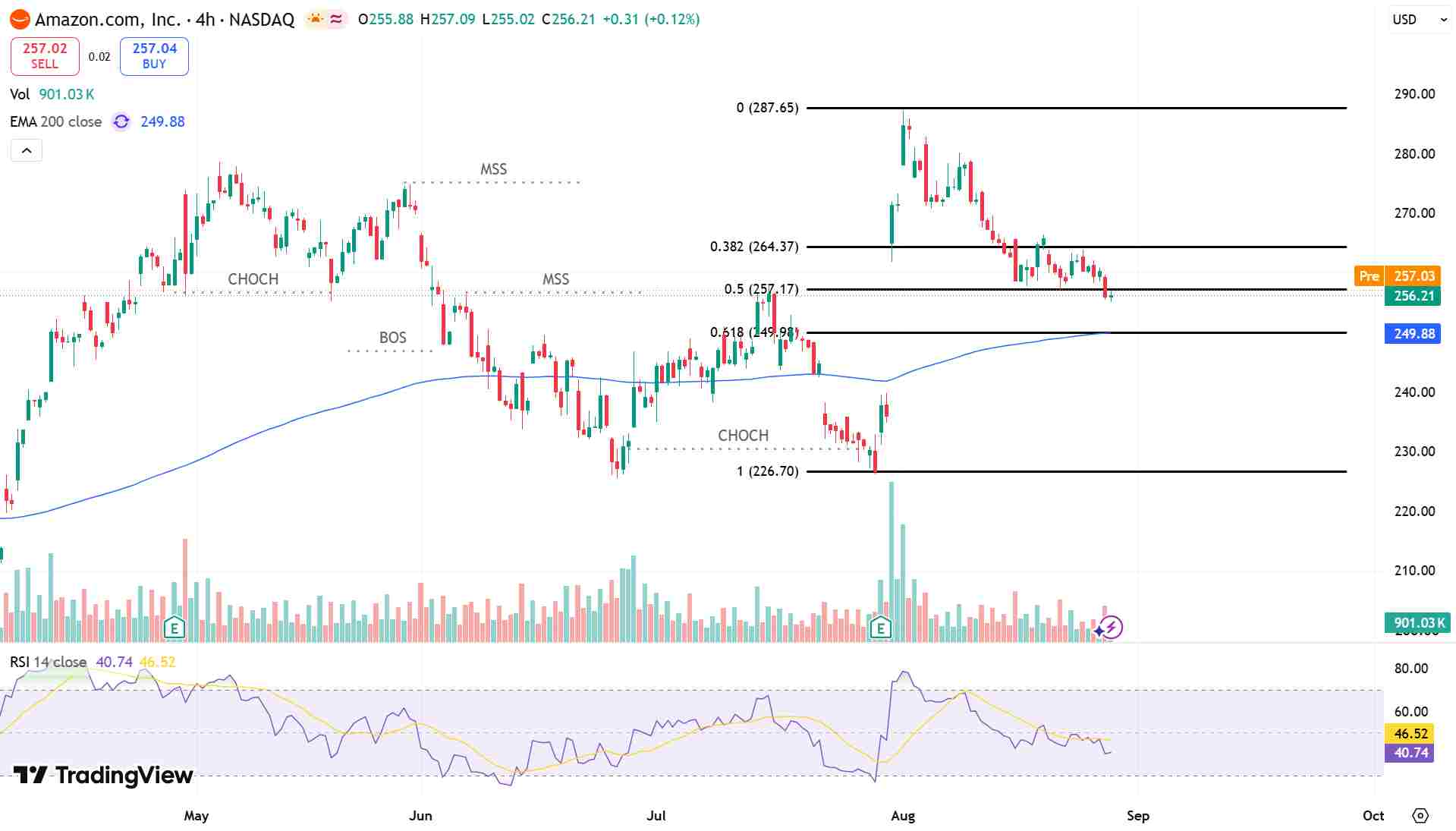
Amazon Price Chart - Source: Tradingview
Reported EPS requires adjustment. Amazon’s diluted EPS of $5.75 includes $53.4 billion of non-operating pre-tax income, primarily from Anthropic.
Operating income is a better indicator of performance. Strong demand for AWS and capacity building by Amazon remains a primary concern. Free cash flow turned negative at $7.6 billion over the last 12 months as Capex remained high to fund AI infrastructure.
Scorecard:
- Growth: Reaccelerating
- AI monetization: Strong through AWS
- Principal concern: Capex and free cash flow
- Next week view: Improving, but Microsoft better
5. Meta: AI Is Working, but Costs Are Rising
Meta is showing AI's potential to enhance their advertising business - especially with the 28% boost in Q2 revenue from $60.8 billion. Meta also saw increases in ad impressions by 14%, and pricing for advertising ads by 12% as well. Building the required AI-focused advertising infrastructure is less impressive.
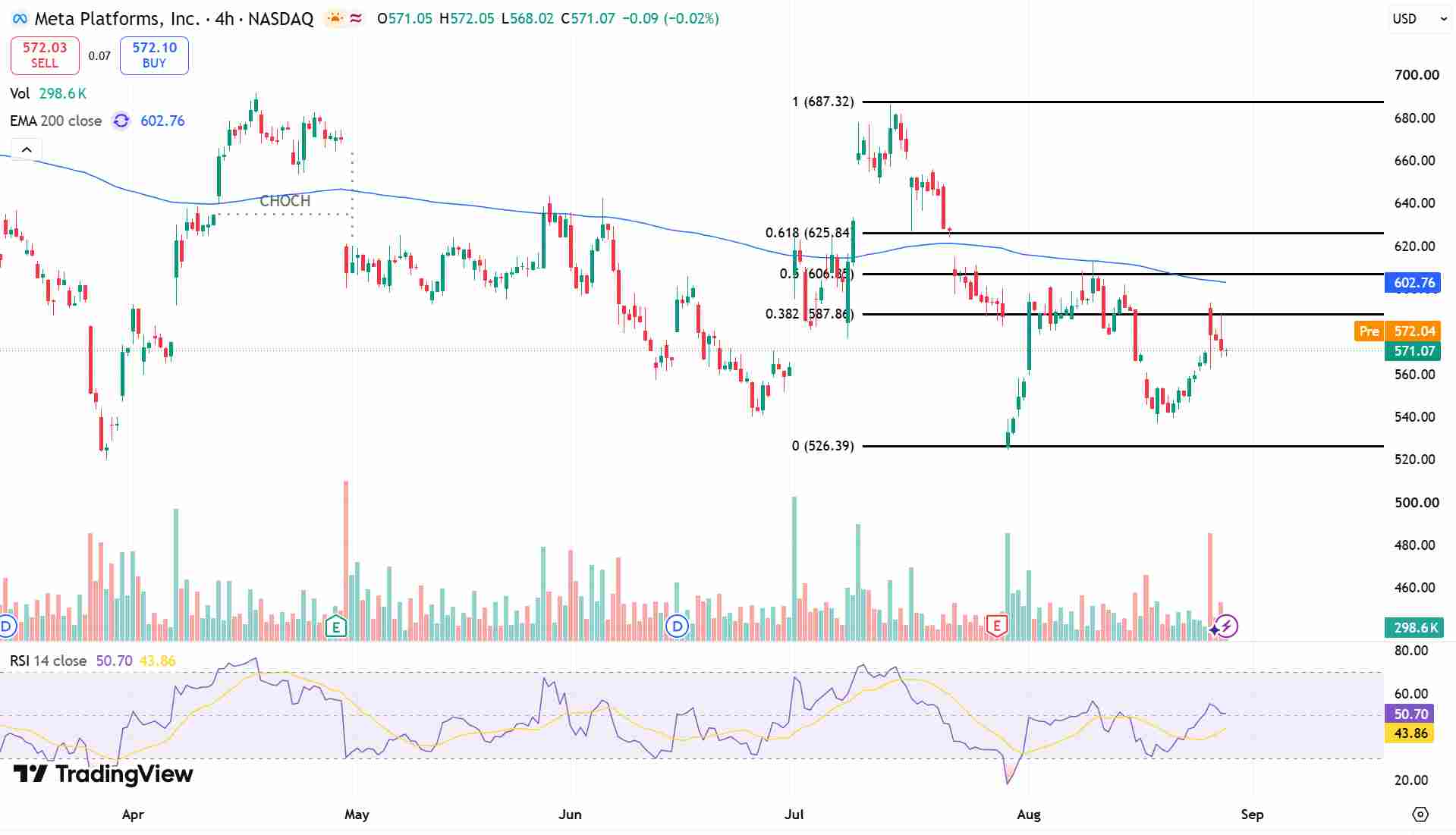
Meta Price Chart - Source: Tradingview
Operating income fell by 8% to $18.78 billion and steeply rising costs forced margins to contract to 31% (from previous levels). This was attributed to a 55% rise in costs for resources such as compensation, AI infrastructure, cloud computing, legal costs, and AI-specific tokens.
One large burden was addressed with an August settlement, but the main challenge remains the same - will the gains from AI-based advertising be better than the costs of building and maintaining the necessary AI advertising infrastructure?
Scorecard:
- Growth: Excellent
- AI monetization: Clearly present.
- Main risk: Rising costs
- Long term view: Good business, concerning margins.
6. Apple: CEO Transition Creates a Near-Term Catalyst
Apple's fundamentals strengthened this fiscal Q3. Revenue hit $109.4 billion, up 16% from last year, and EPS jumped 29% to $2.02. Benefits attributable to refunds for tariffs amounted to about 2 percentage points of margin and $0.11 of EPS. The next major event is the move of Tim Cook to Executive Chair and the appointment of John Ternus as CEO, which will happen on September 1.
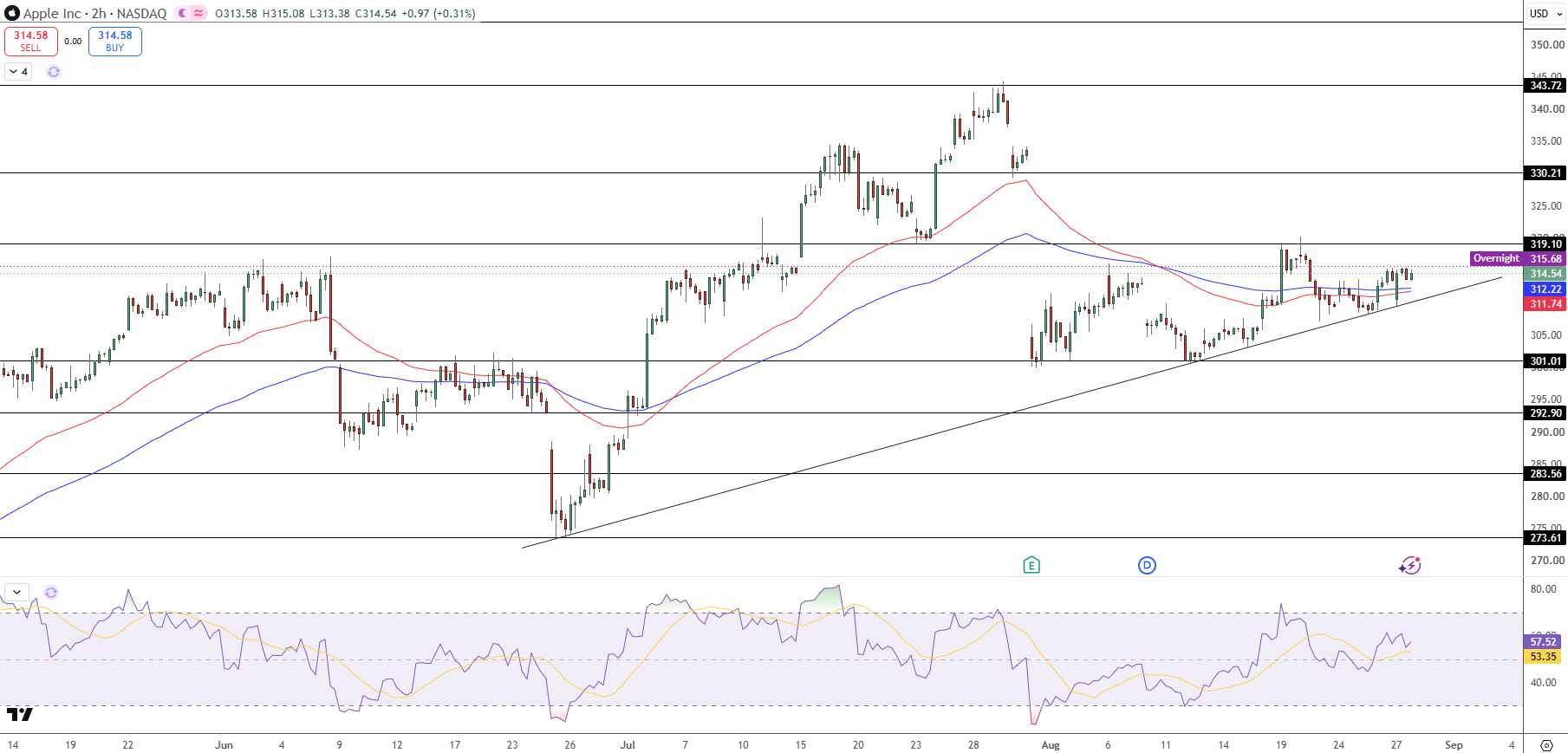
Apple Price Chart - Source: Tradingview
After that, the attention will most likely be on Apple's September 9 event where fans are expecting a new iPhone and potentially the very first foldable iPhone. Unlike the stocks above that are most exposed to AI, Apple has a strong cash generation but less direct exposure to AI Infrastructure.
Scorecard:
- Financial quality: Exceptional
- Catalyst: CEO transition and September 9 event.
- Main risk: Product-cycle dependence.
- Next week view: More event-driven than earnings-driven.
7. Tesla: Highest Optionality, Highest Execution Risk
Of the Magnificent Seven, Tesla is the most difficult to value on the basis of current earnings. Q2 deliveries reached a record 480,126 vehicles and energy storage deployments totaled 13.5 GWh. Even though the stock relies on Robotaxi, Cybercab and Optimus, the Company's growth is positive.
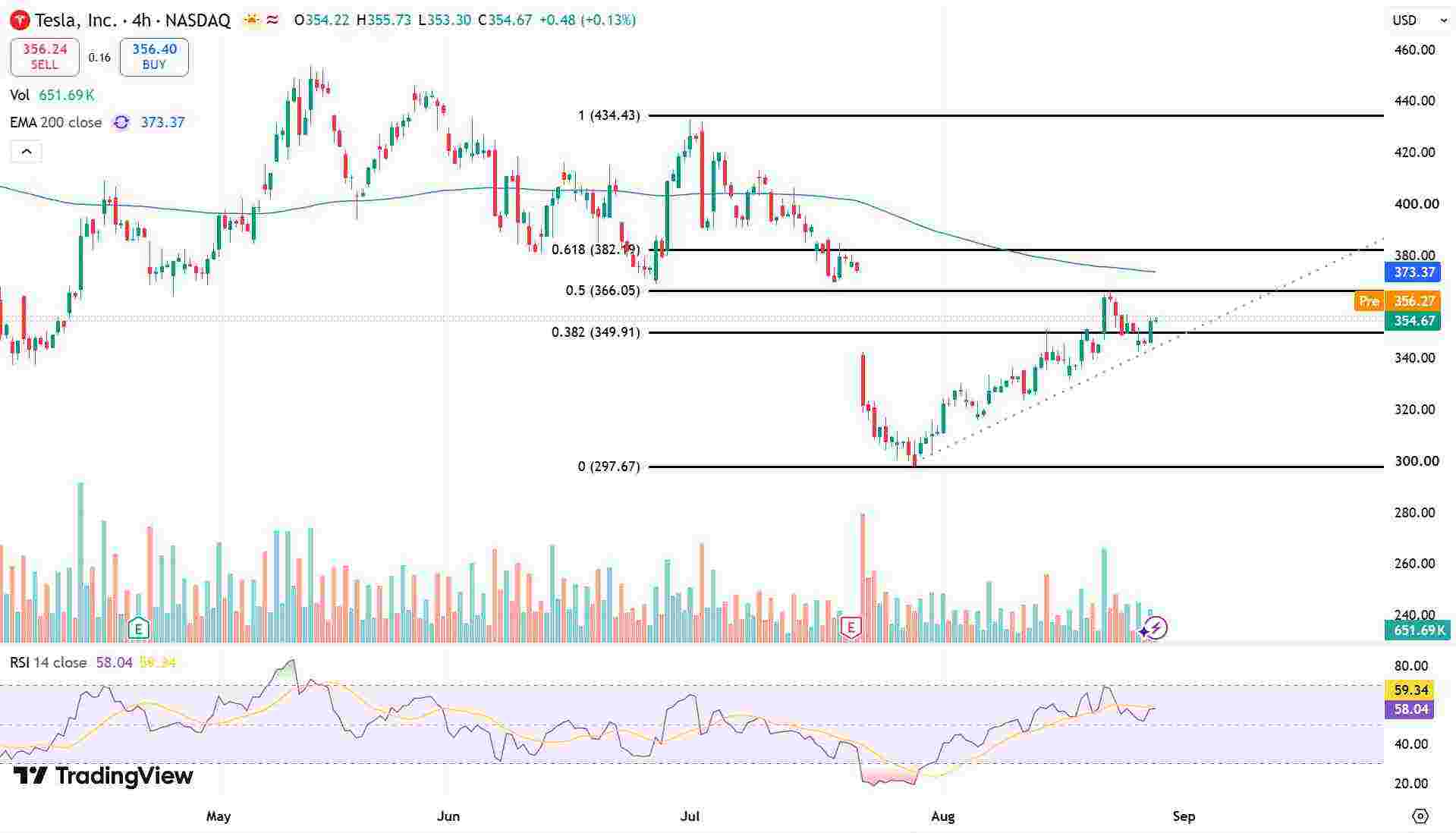
Tesla Price Chart - Source: Tradingview
While an approval to launch robotaxi operations in Las Vegas is recent positive news, execution continues to be lumpier than expected and competition from Waymo is increasing. In addition, the Chinese government has widened its focus on vehicle quality increasing the regulatory risk.
Scorecard:
- Optional upside: Very high.
- Current earnings visibility: Lowest in the group.
- Main risk: Autonomy execution and regulation.
- Next-week view: Highest-risk name in the ranking.
What Could Move Big Tech Next Week?
The macro calendar holds considerable importance this week due to the near-instant valuation changes brought on by changing Treasury yields for long-duration growth stocks.
- July JOLTS and August ISM Manufacturing reports are due Tuesday, September 1. Apple’s new CEO John Ternus starts work this day as well.
- Wednesday, September 2, reports ADP employment. Closely following this report will be the networking and hyperscaler custom AI silicon spending. Broadcom’s report will be after the market closes.
- Thursday, September 3, shows weekly jobless claims and the August ISM Services report.
- Friday, September 4, brings the US employment report for August.
Broadcom isn't a Magnificent Seven stock, but their report this week could be one of the most important custom AI signals for Nvidia, Microsoft, Alphabet, and Amazon.
Magnificent Seven Ranking for the Week Beginning August 31
- Alphabet: Best combination of cloud acceleration, AI monetization, and operating quality.
- Nvidia: Most demanding expectations, but with the second best growth
- Microsoft: Best enterprise AI distribution and recurring revenue.
- Amazon: Fastest AWS reacceleration with still heavy Capex.
- Meta: Best AI-driven advertising and revenue growth with increased cost pressure.
- Apple: Excellent fundamentals with near-term leadership and product catalysts.
- Tesla: Most execution risk, but greater potential returns for successful autonomy.
Bottom Line
Alphabet is the most attractive stock in the Magnificent Seven for the week of August 31. The other six stocks are Nvidia, Microsoft, Amazon, Meta, Apple, and Tesla. Nvidia is still the pure AI leader, fastest growing, as is Microsoft and Amazon with their cloud stocks. Meta balances revenue growth with rising costs.
AI stocks become more attractive when macro uncertainty is the biggest concern. If the labor data from JOLTS and other sources show a less restrictive Fed, Big Tech will most likely gain both earnings and valuations. The stocks that will most likely gain the most operating value from AI are this portfolio's most attractive, like Alphabet.
Recommended Articles


