




Gold Hits $5,000 for First Time — Three Risks Behind the Panic

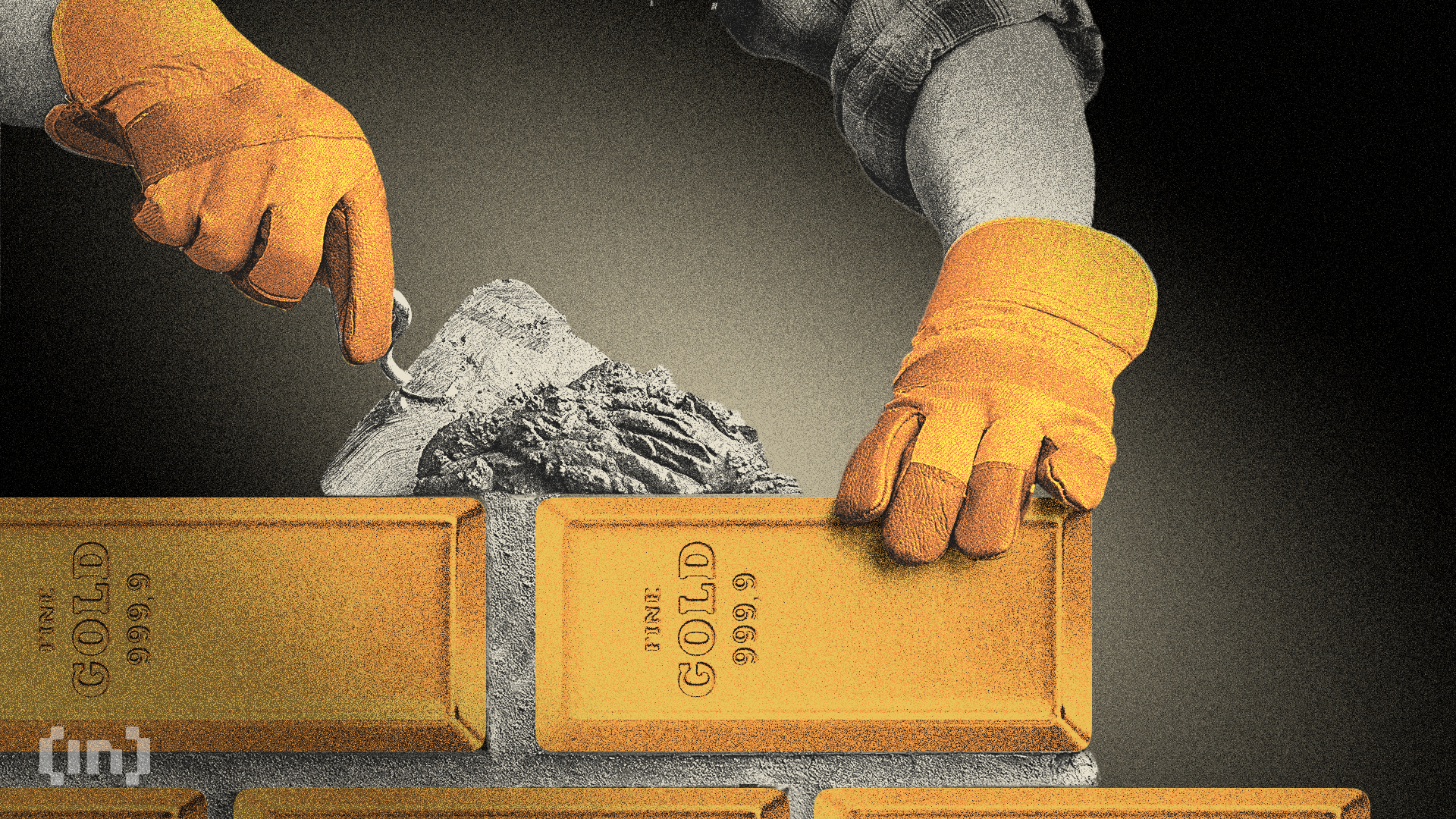
Gold broke through $5,000 per ounce for the first time in history. Prices have climbed more than $650 in January alone. Last week’s 8.5% gain marked the largest weekly increase ever in dollar terms. It was also the biggest percentage rise since the Covid pandemic panic in March 2020. Silver also topped $100 per ounce, up 44% this year.
The flight to safe havens comes as markets brace for a triple threat: US-Canada-China tariff escalation, potential yen intervention, and rising odds of a US government shutdown.
Gold Rally Reflects Eroding Trust
TD Securities strategist Daniel Ghali told the Wall Street Journal that the gold rally is tied to questions of trust in the global financial system. Trust has been shaken but not broken, he noted, adding that if it does break, the upward momentum could persist much longer.
Multiple factors are driving gold’s surge. The dollar has weakened amid Trump’s intervention in Venezuela, pressure on Fed Chair Jerome Powell, and tariff threats over Greenland. Fed rate cuts have reduced yields on Treasuries and money-market funds, lowering gold’s opportunity cost.
China has been buying gold for 14 consecutive months, and Poland’s central bank recently approved a major purchase. Cyclically adjusted P/E ratios show stock valuations at their highest since the dot-com bubble in 2000. Investors are turning to alternative assets.
Three Risks Markets Are Watching
Beyond the flight to gold, three specific catalysts are driving investor anxiety this week.
US-Canada-China Tariff Clash
President Trump threatened to impose 100% tariffs on Canada if it proceeds with a free trade agreement with China. Canadian Prime Minister Mark Carney immediately pushed back, stating there are no plans for an FTA with China.
“Under the free trade agreement with the US and Mexico, there are commitments not to pursue free trade agreements with nonmarket economies without prior notification,” Carney said. “We have no intention of doing that with China or any other nonmarket economy.”
What Canada did was reach a limited agreement in response to Chinese retaliatory tariffs. In 2024, Canada mirrored US policy by imposing 100% tariffs on Chinese EVs and 25% on steel and aluminum. China responded with 100% tariffs on Canadian canola oil and 25% on pork and seafood. Canada has now lowered its EV tariff to 6.1% in exchange, with an annual cap of 49,000 vehicles—about 3% of Canada’s total car sales.
The problem is that Trump called this “one of the worst deals in history” and kept up the pressure throughout the weekend. Treasury Secretary Scott Bessent appeared on ABC, saying, “We can’t let Canada become an opening that the Chinese pour their cheap goods into the US.”
Trump also mocked Canada on social media, posting, “China is successfully and completely taking over the once Great Country of Canada. So sad to see it happen. I only hope they leave Ice Hockey alone!” Markets are concerned about a potential coordinated pushback from Canada and China on Monday.
Yen Intervention Threat
The yen strengthened 0.7% to 154.58 per dollar. Japanese Prime Minister Sanae Takaichi warned of action against “abnormal moves,” and reports emerged that the Federal Reserve Bank of New York had contacted financial institutions to inquire about yen exchange rates. Markets interpreted this as a signal that the US might assist Japan in currency market intervention.
Matt Maley, chief market strategist at Miller Tabak, told Bloomberg that most efforts to support the yen would only push long-term rates higher, leaving Japanese policymakers in a difficult position with no clear solution.
The yen is a primary funding currency for carry trades. Actual intervention could trigger unwinding of yen carry positions, amplifying volatility across risk assets.
Rising US Shutdown Odds
The budget deal expiring January 31 has become problematic again. Kalshi prediction markets show shutdown probability surging to 78.5%. Senate Democratic leader Chuck Schumer announced that Democrats will oppose the Department of Homeland Security funding bill following two fatal shootings of civilians by Immigration and Customs Enforcement agents in Minnesota.
Six of the 12 annual spending bills have been signed into law, but Republicans need Democratic support to pass the remaining six before Friday’s deadline. Senator Patty Murray, the top Democrat on the Appropriations Committee who had been pushing colleagues to support the bill, reversed course, saying “federal agents cannot murder people in broad daylight and face zero consequences.”
Unlike October’s 43-day closure, some departments have already secured full-year funding—including Justice, Commerce, Interior, and Agriculture—so a complete shutdown is unlikely. But other government operations would be disrupted, and the Senate is not scheduled to return until Tuesday due to a snowstorm.
Key Events This Week and Implications
The Fed’s FOMC decision is scheduled for January 29. A hold is expected, but Trump continues to push for rate cuts. His announcement that he will soon name Powell’s successor adds another layer of uncertainty. The US budget expires January 31, and Japan holds elections on February 8. Big tech earnings from Microsoft and Tesla are also concentrated this week.
Surging Bitcoin trading volume over the weekend suggests investors have already entered panic mode. Three headwinds converged before US markets even opened, and Trump’s tariff threats are rattling markets once again. If past patterns hold, poor market reaction could lead to a TACO (Tariff Announcement Cancelled/Overruled), but volatility seems unavoidable until then.
Record highs in gold and silver send a clear signal: markets are seeking safety.
* The content presented above, whether from a third party or not, is considered as general advice only. This article should not be construed as containing investment advice, investment recommendations, an offer of or solicitation for any transactions in financial instruments.


