




Involuntary Bank Account Closure: How to Avoid It
Key Points
A bank is likely to freeze or close your account if it’s flagged for suspicious activity.
Each bank has its own account policies. Make sure you understand what yours are.
There are steps you can take to ensure your account is never closed without your permission.
- The $23,760 Social Security bonus most retirees completely overlook ›
Imagine you're in your tax collector's office, preparing to pay property taxes. It's not a task you love, but you're grateful to have the money to cover the cost. You run your debit card, only to be told there are insufficient funds in your account. It's only later, after you've called your bank, that you learn your account has been involuntarily closed.
While there are many reasons a bank has the right to close out your account, here are some ways to avoid the most common ones.
Where to invest $1,000 right now? Our analyst team just revealed what they believe are the 10 best stocks to buy right now, when you join Stock Advisor. See the stocks »
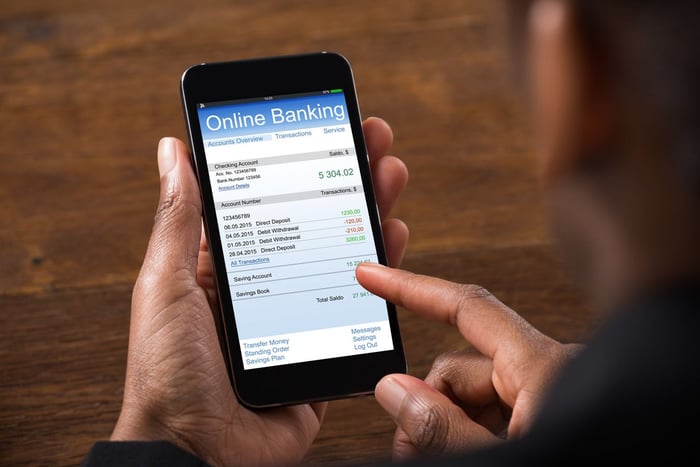
Image source: Getty Images.
Keep your account active
If it's been a while since you've used an account, the bank may consider it abandoned. When that's the case, the bank closes the account and refers any remaining funds to your state's unclaimed property program. Let's say you've had a savings account that holds nothing but your emergency fund. Fortunately, you haven't had to touch the money in years. Unfortunately, you haven't made a fresh deposit in years. That's the type of account that's at risk of closure.
To avoid this situation, keep track of your accounts and make occasional transactions on each. The transactions could be anything, from paying a bill to making a purchase.
Check your balances frequently
It's natural to get so caught up in day-to-day living that you overlook a semi-regular bill, like homeowners' association dues or an insurance premium. Carve two minutes out of each day to check your primary bank account. First, scan the payments to ensure you recognize each one. Next, check your account balance and determine whether there's enough money to cover upcoming bills. This daily practice can prevent your account from falling into a negative balance, and makes it less likely your account will be closed due to overdrafts or fees.
Understand bank policies
When you sign up for a bank account, you sign a deposit agreement. That agreement includes specific bank rules you must follow. For example, some banks won't allow you to use a personal checking account as your business account. Others give the bank permission to withdraw money from your account if you have an unpaid debt with that specific bank. If you have any questions about your bank's policies, check with the bank for details.
Guard your accounts from suspicious activity
Your bank or credit union is legally required to monitor all accounts for suspicious activity, including any actions that could indicate fraud, money laundering, or other illegal activity. For example, a bank may flag your account if you regularly make large cash deposits or make deposits that are just shy of the $10,000 threshold banks look out for.
Take steps to keep everything on the up-and-up, and if you're planning to make an unusual withdrawal or deposit, let your bank know in advance. For example, if you sell a boat for $15,000 cash, deposit the funds and let the bank know where they're coming from.
Understanding why it happens makes it easier to take steps to avoid account closure.
The $23,760 Social Security bonus most retirees completely overlook
If you're like most Americans, you're a few years (or more) behind on your retirement savings. But a handful of little-known "Social Security secrets" could help ensure a boost in your retirement income.
One easy trick could pay you as much as $23,760 more... each year! Once you learn how to maximize your Social Security benefits, we think you could retire confidently with the peace of mind we're all after. Join Stock Advisor to learn more about these strategies.
View the "Social Security secrets" »
The Motley Fool has a disclosure policy.
Recommended Articles


