


Spot Crude Oil Breaks $140. First Time Since 2008. Oil Market’s Most Severe Shock in History Is Here.

 Trending Articles
- Today’s Market Recap: US and Iran Signal Willingness to End Conflict, Three Major US Stock Indexes Surge, Dollar Ends Five-Day Winning Streak
- Trump Withdrawal Intent Reshapes Liquidity, Bitcoin Breaks $68,000 Mark
- Gold Price Forecast: XAU/USD opens lower around $4,450 on fears of widening Iran conflicts
- USD/JPY Hits 160.00 Mark, Will Japanese Government Intervene? Will the Currency’s Rally Be Contained?
- Seesaw Effect Continues. US Pre-Market Three Major Index Futures Weaken, Oil Prices Rise, Bitcoin Drops Below 68,000 Mark
- Brent: Forecast lifted with $150 risk – Societe Generale
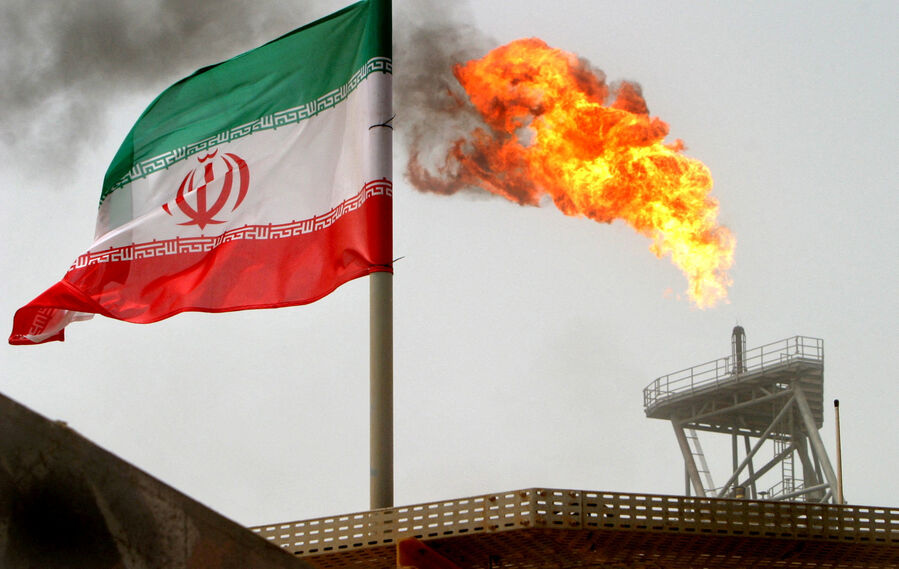
TradingKey - On Thursday, April 2, Dated Brent crude prices reached $141.37 per barrel, the highest level since 2008, surpassing the peak set during the outbreak of the Russia-Ukraine conflict in 2022.
Currently, Brent futures prices are trading near $109, while WTI futures prices are around $110. WTI crude saw a maximum intraday gain of 13.8%, briefly hitting $113.93, as U.S. crude settlement prices broke above $110 per barrel for the first time since 2022.
Regarding the news, Trump delivered a national televised address, signaling a hardline stance that prompted short-sellers betting on a quick end to the conflict to cover their positions rapidly, leading to a surge in oil prices. The International Energy Agency has characterized this as the most severe supply shock in oil market history, with its duration remaining difficult to predict.
The gap between physical crude prices and futures prices is currently widening sharply: on Thursday, Dated Brent surged to $141.37, while Brent futures remained near $107 on the same day. Dated Brent represents the physical price of North Sea crude with confirmed loading dates, rather than the "paper" price of crude.
In addition, spreads between different crude futures delivery months are expanding. The WTI crude prompt spread—the price difference between the two nearest contracts—widened to more than $16 per barrel on Thursday, the largest premium on record. When front-month contract prices trade significantly higher than back-month ones, the market typically interprets this as pricing for extreme tightness in near-term physical supply. Traders noted the move was driven by forced liquidations of short positions betting on a quick end to the war, as well as expectations of significantly tightening U.S. crude supply in the coming weeks.
Read more
* The content presented above, whether from a third party or not, is considered as general advice only. This article should not be construed as containing investment advice, investment recommendations, an offer of or solicitation for any transactions in financial instruments.


