




Warren Buffett's Simple Test Every Stock Should Pass Before You Buy in 2026
Key Points
Warren Buffett only purchased shares in businesses that he had deep knowledge of.
Investors should focus on understanding their circle of competence.
Buying and selling stocks becomes a more thoughtful activity when you know a company fully.
- These 10 stocks could mint the next wave of millionaires ›
At the end of last year, Warren Buffett stepped down as the CEO of Berkshire Hathaway after an illustrious decades-long tenure running the conglomerate. His track record of compounding capital at an incredible rate makes him one of the greatest investors of all time in the eyes of many observers.
The Oracle of Omaha might have fewer responsibilities now, but that doesn't mean retail investors can't continue to try and emulate his philosophy. Here's a simple Buffett test you can follow before you buy any stock in 2026.
Where to invest $1,000 right now? Our analyst team just revealed what they believe are the 10 best stocks to buy right now, when you join Stock Advisor. See the stocks »
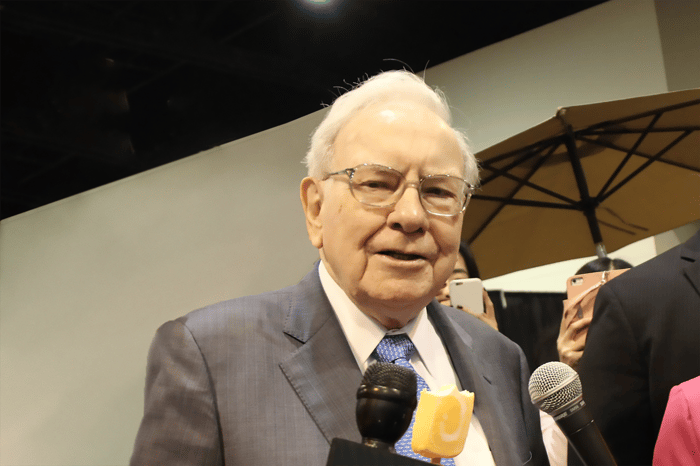
Image source: The Motley Fool.
Do you understand the business?
Buffett is famous for only buying shares of companies that he understands extremely well. He calls businesses that fall into this category as being in his circle of competence. This is a stringent filter that everyone can start following to improve their investing skills.
First, it requires a bit of humility to really understand the limits of your knowledge. Buffett notably avoided owning technology stocks because they weren't in his wheelhouse for the longest time. Companies in this sector undergo rapid change that makes it hard to forecast financial performance years into the future.
However, Apple was a known exception, as Buffett viewed this as being a powerful brand with loyal customers. And during the third quarter of last year, Berkshire took a stake in Alphabet, a dominant internet firm. Buffett was dabbling in the tech waters before he left the CEO position. But it's worth highlighting that both Apple and Alphabet aren't exactly risky bets.
A focus on easy-to-understand companies is probably why Berkshire's portfolio consists of boring consumer brands, financial institutions, and energy entities. Buffett has built up deep expertise in these industries.
Taking this a step further to pick stocks
When you actually understand a company thoroughly, it makes picking stocks a smoother process. If you're familiar with the key products and services a business sells, the markets it operates in, its distribution strategy, growth potential, profit trends, and balance sheet, you'll be better able to figure out what the company will look like five years down the line. It's also critical to know who the management team is and how they have performed in the past.
Knowing about a business also means paying attention to its competitive position and whether it has an economic moat. This is the mark of a high-quality company. A moat increases the chances a business has staying power.
And finally, all of this will help ensure you're able to accurately value a stock.
Following Buffett's test of really knowing a company can supercharge your decision-making in 2026.
Where to invest $1,000 right now
When our analyst team has a stock tip, it can pay to listen. After all, Stock Advisor’s total average return is 955%* — a market-crushing outperformance compared to 196% for the S&P 500.
They just revealed what they believe are the 10 best stocks for investors to buy right now, available when you join Stock Advisor.
See the stocks »
*Stock Advisor returns as of January 21, 2026.
Neil Patel has no position in any of the stocks mentioned. The Motley Fool has positions in and recommends Alphabet, Apple, and Berkshire Hathaway. The Motley Fool has a disclosure policy.
Recommended Articles


