




Are You Required to Take an RMD? Here's How to Know for Sure
Key Points
By the time required minimum distributions (RMDs) become a part of your life, it pays to understand how they work.
RMDs are typically required if you have a tax-deferred retirement account.
RMDs begin at age 73 or 75, depending on the year you were born.
- The $23,760 Social Security bonus most retirees completely overlook ›
People discuss saving and investing for retirement, but how often have you heard someone bring up the topic of required minimum distributions (RMDs)? Even if you have a rough understanding of what an RMD is, the details may be a little hazy.
For example, if you're unsure whether you're even supposed to take RMDs, these guidelines should help.
Where to invest $1,000 right now? Our analyst team just revealed what they believe are the 10 best stocks to buy right now, when you join Stock Advisor. See the stocks »
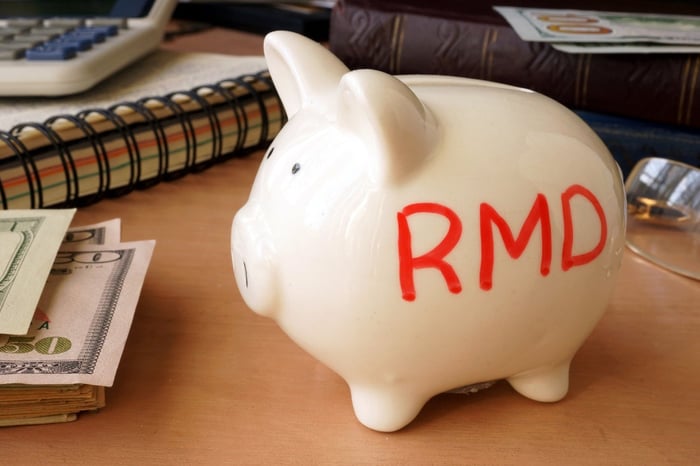
Image source: Getty Images.
The type of investment account matters
You're required to take RMDs if your money is invested in any of these tax-deferred accounts:
- 401(k)
- 403(b)
- 457(b)
- Traditional IRA
- SEP IRA
- SARSEP IRA
- SIMPLE IRA
Your age
Typically, once you reach age 73 (or 75 if you were born in 1960 or later), you're required to withdraw money from your tax-deferred retirement account. Failure to make a withdrawal can lead to a 25% penalty on the amount not withdrawn. For example, if you're required to withdraw $10,000 and don't do it, you could face a $2,500 excise tax.
If the reason you miss an RMD is due to circumstances outside your control -- say, you're hospitalized, or the accountant who normally ensures your RMDs are withdrawn on time suddenly dies -- you can request a penalty waiver by filling out an IRS Form 5329. Furthermore, if you correct the withdrawal shortage within a two-year window, the penalty may be reduced to 10% instead of 25%.
One exception to the age rule
If you're still working at age 73 or 75 and your retirement account is with the company you're working for (even if you're working part-time), you may be able to delay your RMDs. However, the exception applies only to retirement accounts at the company currently employing you. If you have accounts with previous employers, RMDs are due the year you turn 73 or 75.
Strict due dates
RMDs must be taken by Dec. 31 of each year. However, if it's your first RMD, you can delay your first withdrawal until April 1 of the year following your 73rd birthday (or 75th if you were born in 1960 or later).
One thing to consider: While delaying your first distribution may sound appealing, putting the withdrawal off until April 1 means you'll take your first and second RMDs in the same tax year. That's because your next withdrawal is still due by Dec. 31. Before determining that you'll delay the first withdrawal, map out how making two withdrawals in one year will affect your tax burden, and whether it will push you into a higher tax bracket.
A simple calculation can help you determine how much your RMD should be each year, or you can use one of the many online RMD calculators to come up with the number.
At some point, RMD withdrawals may become a way of life. Your best bet is to know as much as you can about how they work, so you're ready for them when that day arrives.
The $23,760 Social Security bonus most retirees completely overlook
If you're like most Americans, you're a few years (or more) behind on your retirement savings. But a handful of little-known "Social Security secrets" could help ensure a boost in your retirement income.
One easy trick could pay you as much as $23,760 more... each year! Once you learn how to maximize your Social Security benefits, we think you could retire confidently with the peace of mind we're all after. Join Stock Advisor to learn more about these strategies.
View the "Social Security secrets" »
The Motley Fool has a disclosure policy.
Recommended Articles


