


Japan and South Korea Stocks Open Lower, Samsung Strike Storm and Higher-Than-Expected Inflation Disrupt Markets
TradingKey - On May 13, the Nikkei 225 Index opened 0.5% lower, while South Korea's KOSPI opened 1.7% down before its decline widened further to 3%.
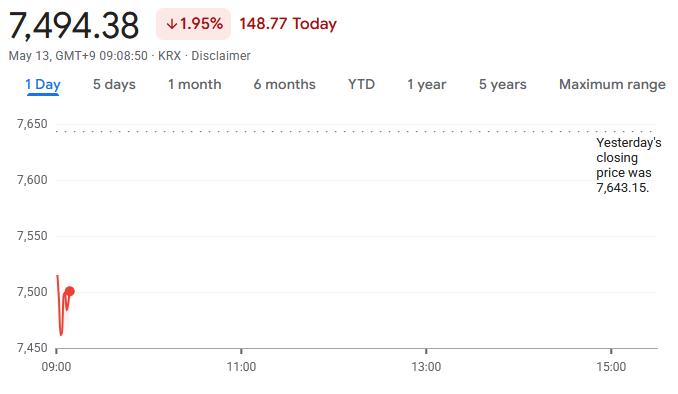
Heavyweight Samsung Electronics plunged 5.7% intraday. The direct catalyst for the slump in Samsung's stock price was the risk of a strike triggered by the breakdown of labor-management negotiations. According to South Korean media reports, Samsung's labor union and management held two days of government-mediated talks, but the two sides failed to reach a consensus on core issues such as AI profit distribution and salary increases.
Union representative Choi Seung-ho stated, "The company has not provided any substantive response to our demands." The union reiterated that if its demands are not met, it will organize over 50,000 workers for an 18-day general strike starting May 21.
Overnight, the U.S. stock market also experienced severe volatility, with the chip sector suffering a rare collapse. The Philadelphia Semiconductor Index plunged nearly 7% intraday before closing 3% lower; Qualcomm plummeted over 10%, while Intel fell nearly 7%.
The latest report from the U.S. Bureau of Labor Statistics showed that the April CPI rose 3.8% year-over-year, hitting a nearly three-year high, and core CPI growth expanded to 2.8%, reinforcing market concerns over a Fed monetary policy pivot. The CME FedWatch Tool shows the probability of a 25-basis-point rate hike in the next 12 months has surged from 21.5% to over 30%.
At the same time, simmering tensions in U.S.-Iran relations and momentum trading indicators hitting historical highs indicate intensifying pressure for a short-term market correction, which ultimately caused the previously surging chip stocks to suffer a heavy single-day blow.
Renowned investor Michael Burry had previously issued a warning, suggesting that current valuations for U.S. tech stocks, particularly chip stocks, are at historical highs, with market trends closely mirroring the patterns seen before the 2000 dot-com bubble burst.
Recommended Articles


